

Top-rated arborists.

Best arborists near Miles, TX

Enter your zip and get matched with up to 5 pros

Need a pro for your arboricultural service project in Miles, TX?

Select your specific project to find the pro for you.

Top-Rated Arborists in Miles - Updated Nov 2026

McLean Pro Services, LLC
New to Angi
Tree RemovalTree Trimming

Serving Miles, TX and surrounding areas

Approved

In business since 2022

Free estimates

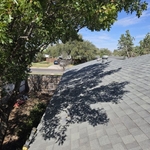
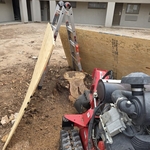
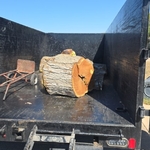
Customer satisfaction is our #1 priority! All bids are free, and I guarantee that we will do what we say we?ll do, when we say we?ll do it. We are eager to earn your business and intend to bid every job at a price our customers are happy with. You will never be asked for money up front to cover our labor. My goal is to earn your repeat business and recommendations! \n \nServices we offer but are not limited too: \n \nLand clearing \nDriveway installation \nYard/land grading or leveling \nLandscaping / xeriscaping \nShredding \nTilling \nTree trimming / removal \nHedge trimming \nPasture/job site cleanup and haul off \n \n

Showing 1-10 of 48
Arborists FAQs, answered by experts

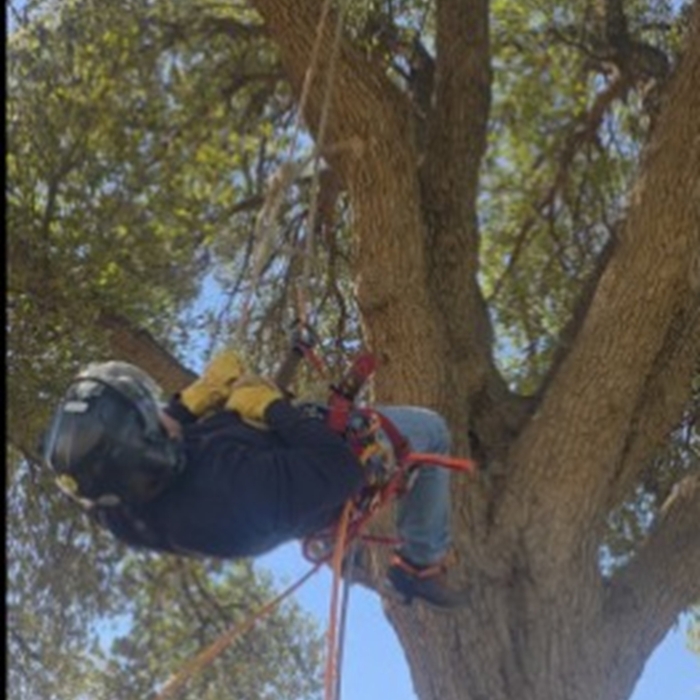
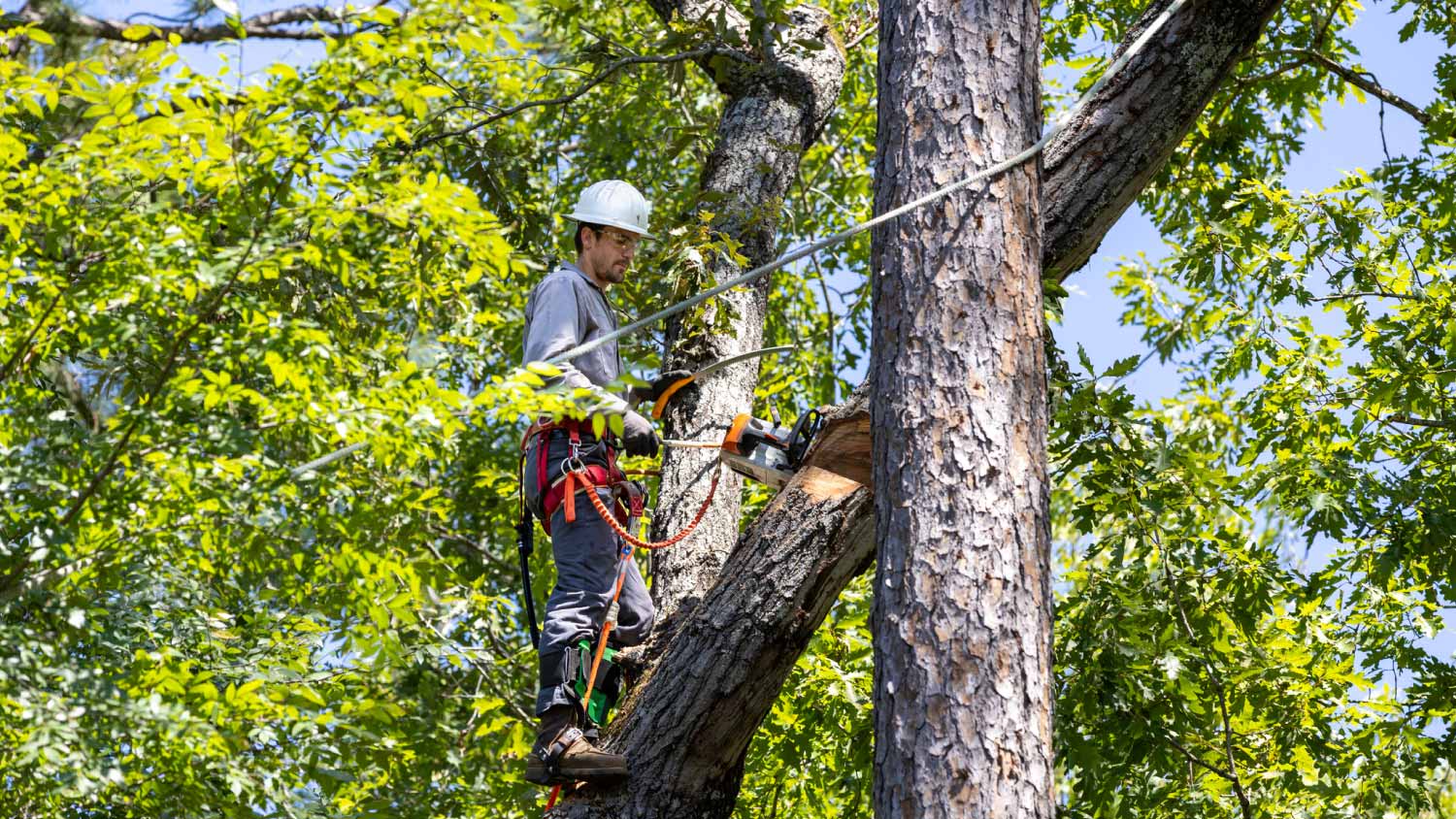
Not every arborist climbs trees, but most will do so if that’s the best method for assessing or treating a tree. Arborists have a variety of tree climbing gear and safety equipment to choose from when climbing trees. Consult your local arborist about their tree-climbing plan if your service requires that type of task.

Generally, homeowners do not need permission to cut down a tree on their own private property, but there are several exceptions where a permit may be required. You might need a permit if the tree is particularly large, old, or a protected species, such as a heritage tree. Trees located near public property or power lines can also be subject to special rules. Additionally, many local governments and homeowners associations (HOAs) have regulations controlling which trees can be removed to manage an area's appearance or prevent the spread of invasive species. To avoid hefty fines, it is crucial to check with your local government and HOA to determine if a permit is needed before you begin.

Lightning can cause massive damage, fires, and openings for other threats like bugs or fungal diseases. Barring any large fires or explosions, it’s difficult to tell how much damage a lightning strike has done until after a thorough inspection. Contact local authorities immediately if lightning strikes a tree in your yard and it causes a fire or explosion.

In most cases, you should not use a pruning seal on trees after trimming. Applying a sealant can interfere with the tree's natural healing process, and it does not guarantee protection from pathogens. Instead of sealing the cut, the best practice is to support the tree's natural recovery by providing it with plenty of water and a dormant-style fertilizer. However, there are exceptions. Pruning seals may be recommended for very vulnerable species, like elm trees, in areas where dangerous diseases such as Dutch elm disease are prevalent. In these specific situations, the protection offered by a sealant can outweigh its downsides. For advice tailored to your situation, especially after cutting large branches, it is best to consult a local tree trimming professional.

Generally, you’ll want to prune back the trunk by 1 to 2 feet each year to promote bushy growth. Doing so concentrates vegetative buds closer to the bottom of the tree, where you can easily harvest fruit. For side shoots that are a year old, leave at least six leaves. 

Never remove more than 30% of a tree’s foliage during pruning—even if your tree is really overgrown. Removing this much foliage at a time could kill your tree.

The Miles, TX homeowners’ guide to arboricultural services

From average costs to expert advice, get all the answers you need to get your job done.