





Top-rated welders.

Best welders near Lone Star, TX

Enter your zip and get matched with up to 5 pros

Need a pro for your welding project in Lone Star, TX?

Select your specific project to find the pro for you.

Top-Rated Welders in Lone Star - Updated Nov 2026

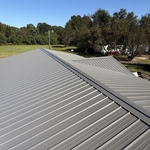
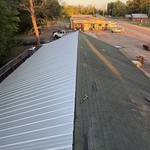
Building & Carport Supercenter
5.0(
1
)
Metal Structure or Object - Create CustomSheet Metal and Ornamental Metal - Fabricate

Serving Lone Star, TX and surrounding areas

Approved

In business since 2020

Customers say: Quick response

We pride our company on reliability, great communication, integrity, and quality work. We are experts in our trade and will do our best to keep you as educated as we can on your particular task or project. We look forward to earning your business! Book with us online or feel free to give us a call today!

Response time3 hrs
Response rate88%
Recommended by100%of homeowners
Avatar for Warricks welding service
Warricks welding service
5.0(
5
)
Metal Stairs and Railings - RepairMetal Structure or Object - Create CustomMetal Structure or Object - Weld or Cut+3 more

Serving Lone Star, TX and surrounding areas

In business since 2022

"Ben did an amazing job fixing up my gate that broke during the storms a couple weeks ago ,and the welds look outstanding! Thank you so much Warrick’s welding service! I will definitely be reaching out again for any welding needs I have."
Welding Project
Welding Project
Trailer repair
H-Brace
Chain link fence

+76

Recommended by100%of homeowners
...
Showing 1-10 of 80
Welding FAQs, answered by experts

The cost to weld aluminum averages about $14 to $22 per pound. The type of metal factors into the overall cost of any welding project due to the cost of the materials and the expertise required to work with it. Some of the most common metals used by welders include:

  • Magnesium alloy: $7–$16 per pound

  • Low-carbon steel: $11–$12 per pound

  • Stainless steel: $13–$15 per pound

  • Copper/brass: $24–$29 per pound

  • Cast iron: $38–$79 per pound

  • Titanium: $60–$85 per pound

Yes, but you’ll need reliable steel-cutting tools and safety gear to get started. Shipping containers are typically around ¾ inch thick, so it’s entirely possible to cut through them, but experience and the right equipment are very important. When possible, try to get a container as close to the size you want it as possible.

Yes, you can use a saw to cut metal pipes. The best saw to use is a reciprocating saw, but even a fine-tooth hacksaw can get the job done. No matter which saw you use to cut metal pipes, wear protective gear, like work gloves, safety goggles, and ear plugs. Apply a firm, steady pressure to the tool, and always ensure the pipes are secured so they don't move while you make the cuts.

Cutting rectangular ductwork requires careful measurements and the right technique. Use a measuring tape and pencil to mark the cutting lines accurately. Tin snips are excellent for straight cuts on smaller ducts. For more extensive or thicker rectangular ducts, a reciprocating saw with a metal-cutting blade is effective. 

Ensure the duct is well-supported and secure while cutting to prevent wobbling and maintain precision. After cutting, use a metal file to smooth any sharp edges, ensuring safety during installation. 

Some welding projects, such as repairing pipes or fences, require travel, whereas others, like furniture repair, do not necessarily require the welder to come to you. Travel and overhead factor into the overall cost of your welding project. Some of the most common welding projects include:

  • Metal furniture repair: $35–$100

  • Pipe repair: $200–$1,000

  • Small gates: $550–$750

  • Fencing: $1,200–$1,800

  • Fabricated sheet metal welding: $750–$2,500

The Lone Star, TX homeowners’ guide to welding services

From average costs to expert advice, get all the answers you need to get your job done.