Top-rated lead testing and removal specialists.

Get matched with top lead testing and removal specialists in Lindsay, TX

Enter your zip and get matched with up to 5 pros

Need a pro for your lead testing and removal project in Lindsay, TX?

Select your specific project to find the pro for you.

Find Lead testing and removal specialists in Lindsay

Avatar for The Property Adjustment Specialists
The Property Adjustment Specialists
5.0(
2
)
Toxic Lead - AbatementToxic Lead - Testing

Serving Lindsay, TX and surrounding areas

In business since 2011

Emergency services offered

Credit card accepted

"It was good to have a comparative estimate for the damage our home sustained. I later found out that the company has a training company for insurance adjusters. The owners were trained by some of the top Insurance providers & wanted to offer the service to homeowners & agents. The ease of talking with them about the claim process & feeling less like a dummy for not knowing what is my insurance policy (they helped me with that too) relieved my anxiety a whole lot."
Recommended by100%of homeowners
Lead Testing and Removal questions, answered by experts

DIY lead testing kits are available, but they often lack the accuracy and reliability of professional services. Professional testing is recommended for more accurate results, as properly certified testers can provide a thorough analysis, clear recommendations, and the necessary legal documentation if remediation is required.

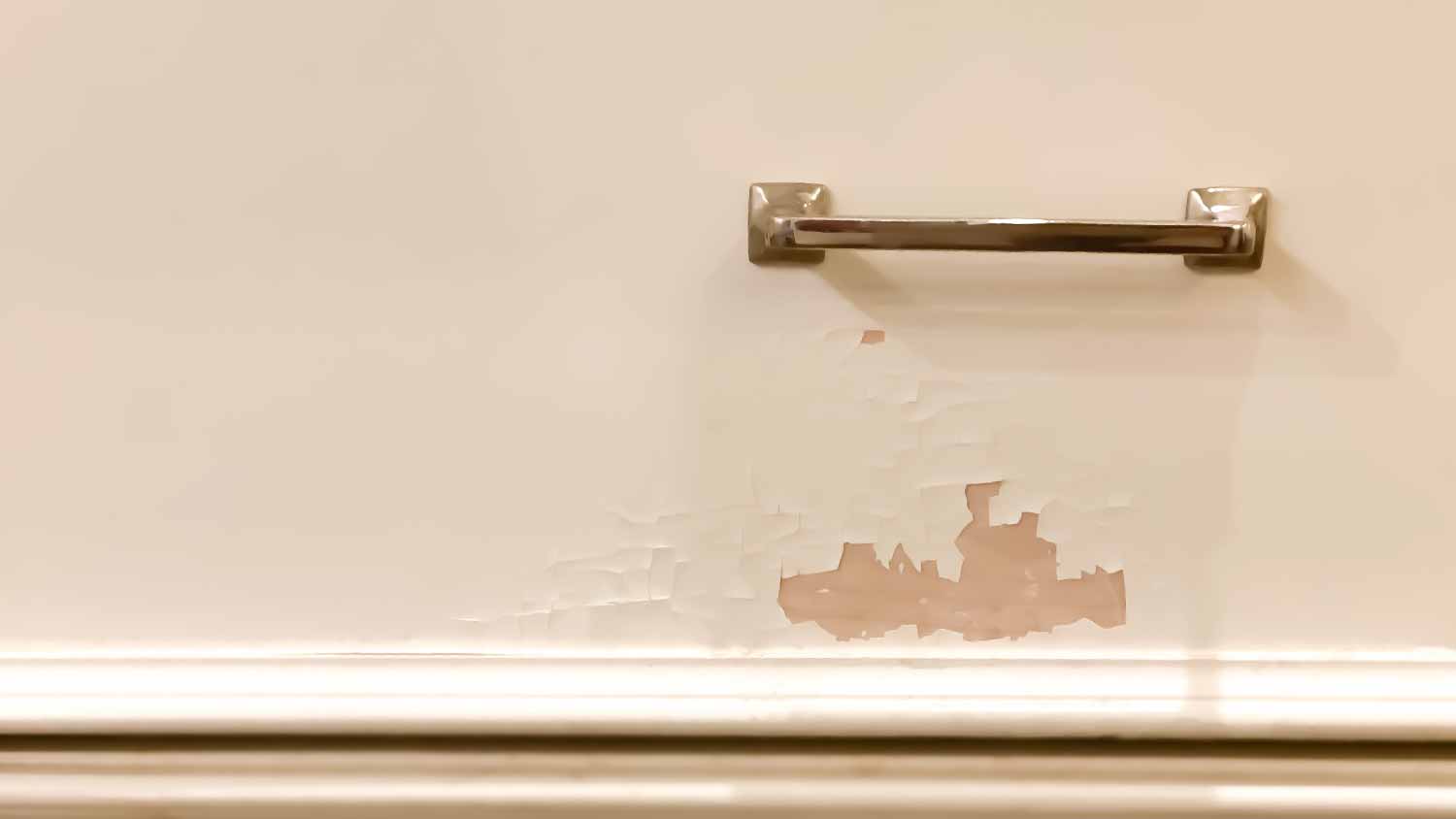
While not all homes built before 1978 contain lead paint, enough do, so you’ll still want to test to be on the safe side. The federal government banned lead-based paint for homes in 1978, but your state may have banned lead before that time. Around 24% of homes built between 1960 and 1977 contained lead-based paint, while 87% of homes built before 1940 contained lead-based paint.

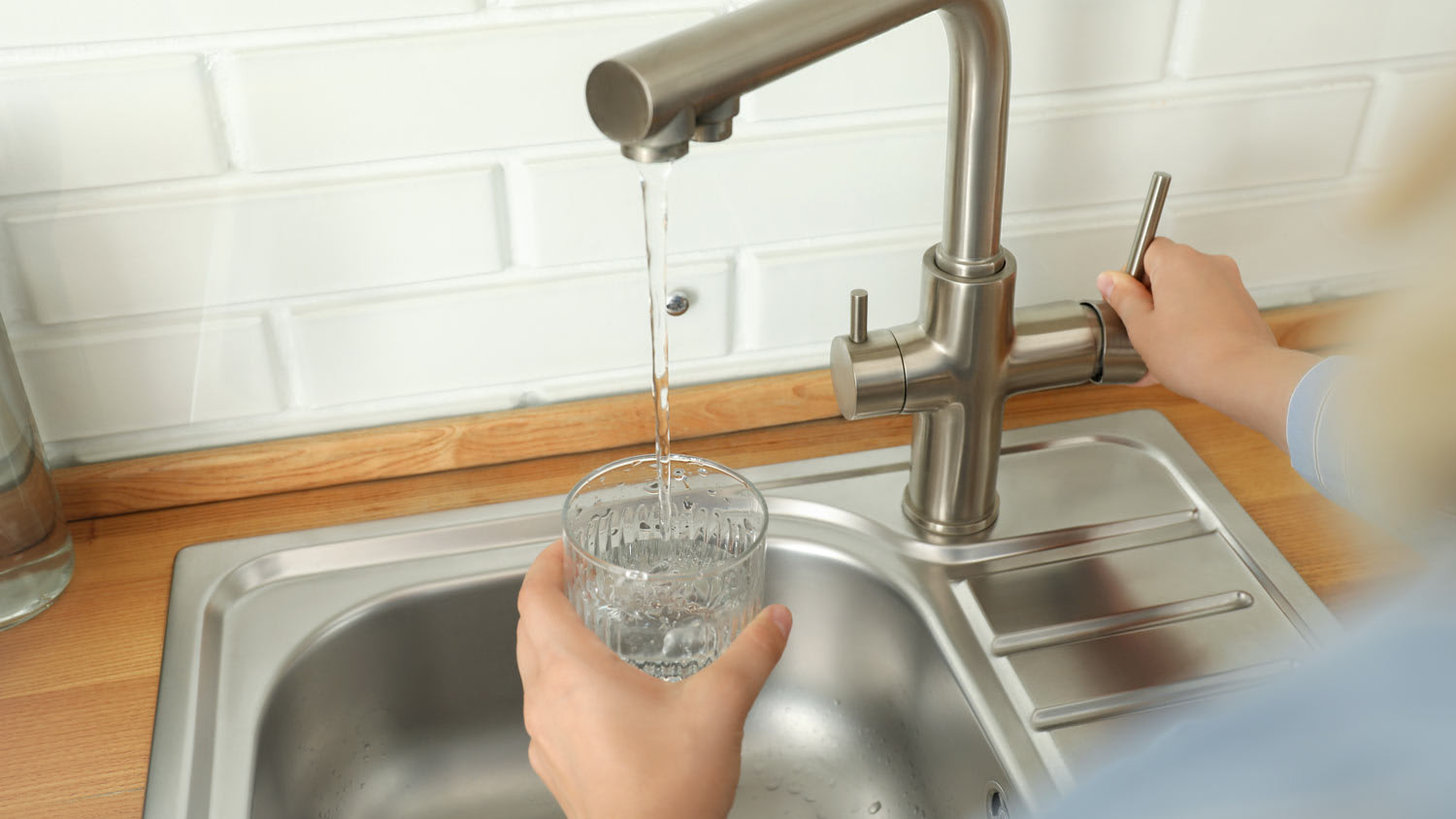
Some of the signs that could mean your water is contaminated, such as cloudiness or bubbliness, could also be non-problems that don’t affect your water’s potability. However, if your water smells or tastes strange, it’s a good idea to stop drinking it and test it immediately. If your well water is contaminated, the best way to discover that is to test it.

According to the Environmental Protection Agency (EPA), hazardous waste is generally classified into four main categories:

1. Characteristic Wastes: These exhibit at least one of four hazardous traits: ignitability (flammable, like gasoline), corrosivity (can rust or decompose materials, like car batteries), reactivity (unstable and can explode, like aerosol cans), or toxicity (harmful when ingested, like lead-based paint).

2. Listed Wastes: These are specific wastes from manufacturing and industrial processes that the EPA has officially designated as hazardous. They include byproducts from processes that use solvents, pesticides, and other chemicals.

3. Universal Wastes: These are commonly generated hazardous items that are subject to streamlined regulations. Examples include batteries, pesticides, mercury-containing equipment (e.g., bulbs), and some lamps.

4. Mixed Wastes: This category includes waste that contains both hazardous and radioactive components, making it subject to regulation by both the EPA and the Nuclear Regulatory Commission.


Services test for allergens, mold, VOCs, and carbon monoxide levels to ensure a healthy indoor environment.

The Lindsay, TX homeowners’ guide to lead testing and removal services

From average costs to expert advice, get all the answers you need to get your job done.