









Top-rated drywall pros.

Get matched with top drywall pros in Levelland, TX

Enter your zip and get matched with up to 5 pros

Need a pro for your drywall service project in Levelland, TX?

Select your specific project to find the pro for you.

Find Drywall pros in Levelland

Avatar for Capital Homes Construction
Capital Homes Construction
5.0(
2
)
Drywall - Repair - For Business

Serving Levelland, TX and surrounding areas

Approved

In business since 2022

Free estimates

Credit card accepted

Capital Homes Construction is dedicated to providing our customers with the best quality and craftsmanship. We are here to build relationships with our customers and communities and to provide our employees with a great place to work. We look forward to working with you!

Response time2 days
Recommended by100%of homeowners
Avatar for American Remodel And Repair
American Remodel And Repair
4.7(
26
)
Drywall - InstallDrywall - Install - For BusinessDrywall - Repair+1 more

Serving Levelland, TX and surrounding areas

In business since 2008

Free estimates

Credit card accepted

"Mr. Pena has been far more responsive that I've experienced with other contractors in Lubbock. His person installed the deck boards and there were a few that were less than ideal. I pointed them out and he agreed and fixed them within 24 hours. He is very responsive, always has ideas to improve the project and as a result it feels more like a partnership that a contractor relationship.As a result of his quality we've moved from a small job to over $15K of work."
Before
before2
before3
After
After2

+16

Recommended by96%of homeowners
...
Showing 1-10 of 81
Drywall questions, answered by experts

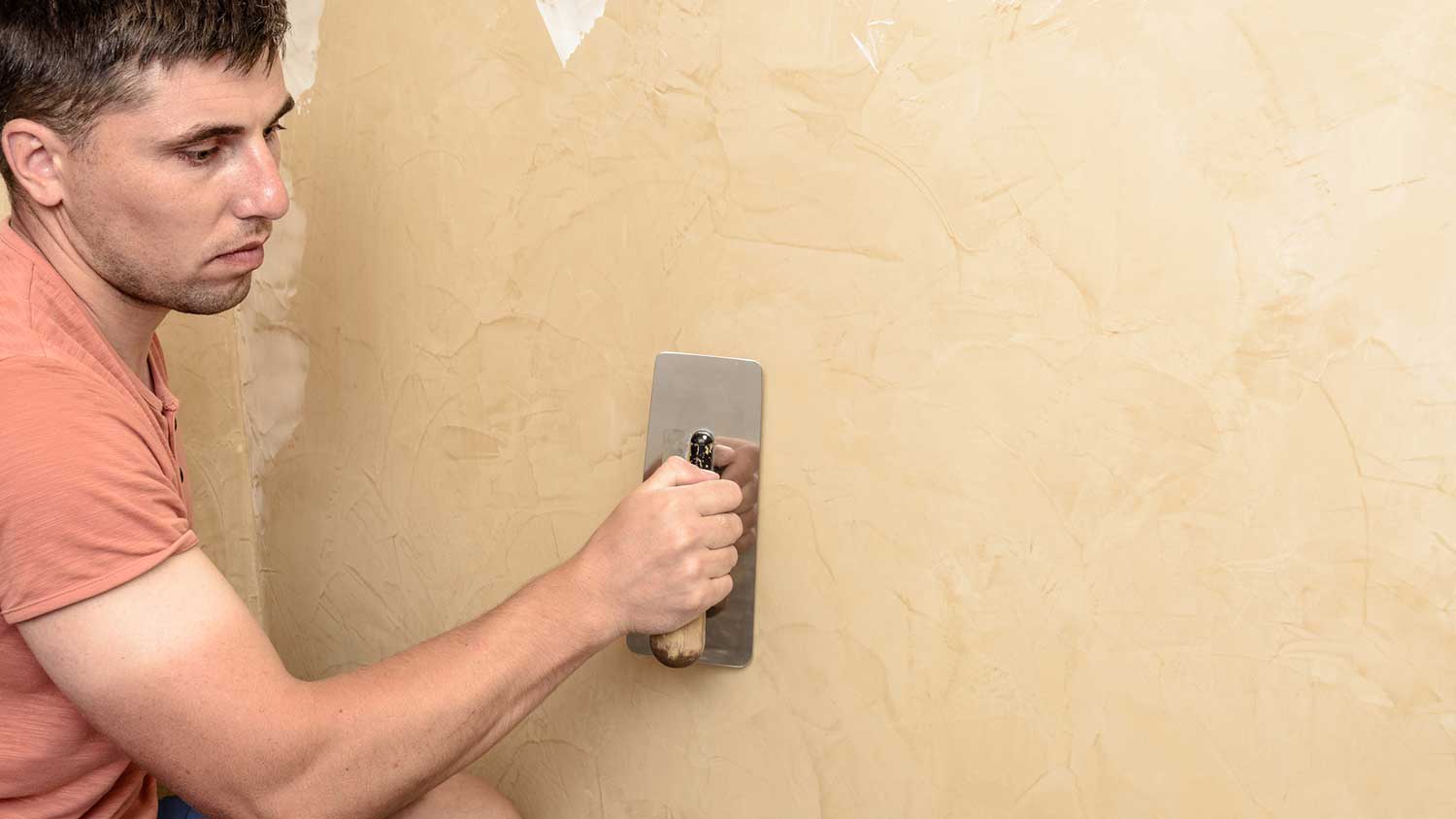
Venetian plaster is a highly durable wall finish that becomes a rock-like substance once dried, making it last longer than most other wall finishes. Its lifespan can range from decades to centuries, potentially lasting a lifetime. Key factors influencing its longevity include the quality of the initial application, whether it's properly sealed against moisture, and how the wall is maintained and treated (e.g., how often it is touched or bumped). Due to its mineral content, it can also develop a patina over time.

There are six levels of drywall finish, from 0 to 5, that refer to the amount of work performed during the finishing process.

Level 0: Drywall is hung with no finishing work.

Level 1: Tape is placed over the seams between drywall sheets.

Level 2: A thin layer of mud is applied over the tape and screw holes. This level is common for utility rooms or walls that will be covered.

Level 3: A full coat of mud covers the screw holes and tape, but the surface is not sanded. This is often used in garages.

Level 4: This is the most common finish for visible interior walls. It involves applying two coats of mud over seams and screw holes, with sanding between each coat, creating a smooth surface ready for flat paint.

Level 5: This is a high-end finish for luxury homes. It includes full taping, mudding, and sanding, plus a final skim coat over the entire surface before painting.

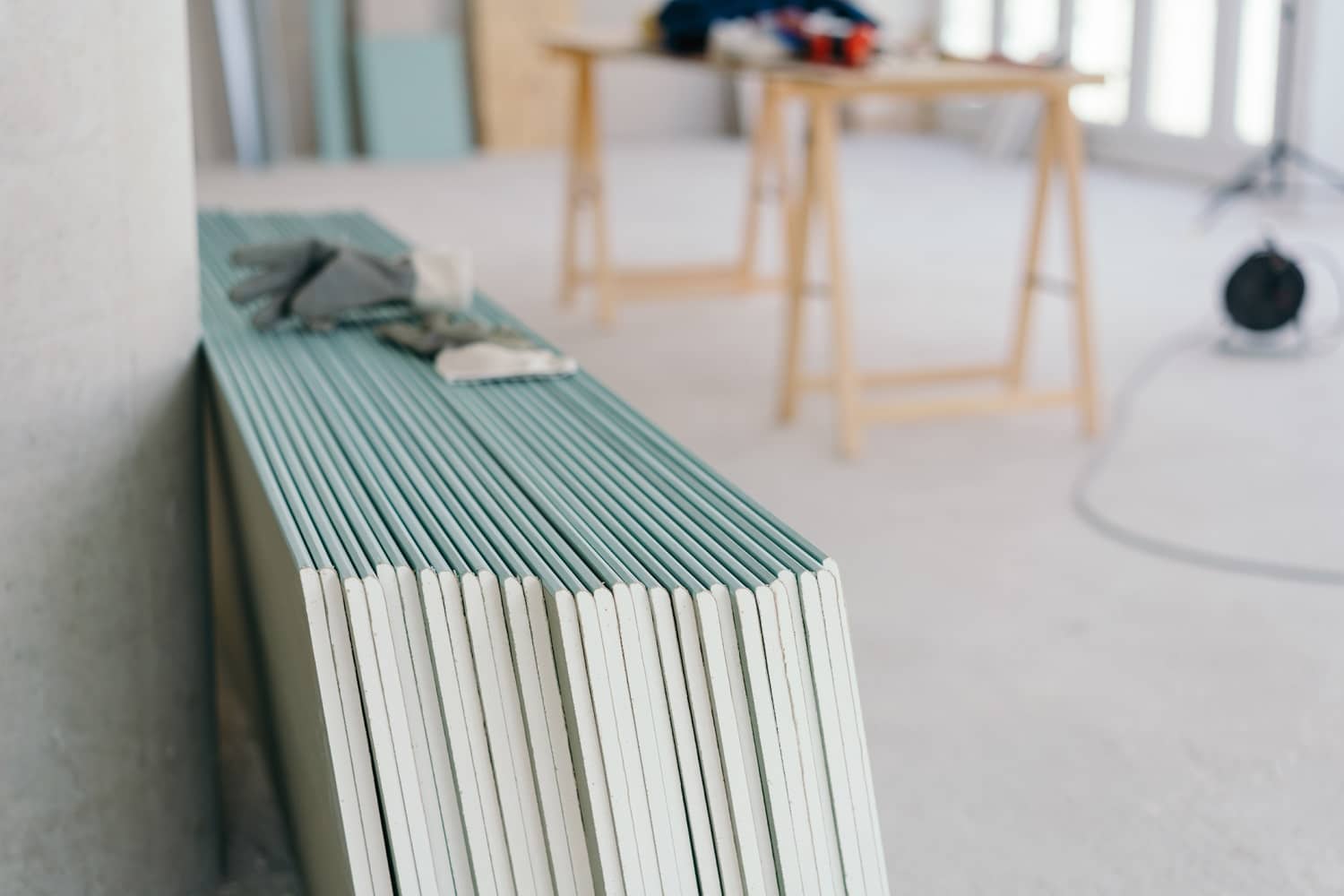
The amount of drywall you need for a 1,000-square-foot basement depends on the ceiling height, angles, number of doors and windows, and more. To find the wall square footage, multiply the width and height of each wall, minus any gaps from windows or doors, and add the totals together. You’ll also need enough drywood nails or screws to install the drywall correctly.

This depends on how much plaster is applied and in how many layers, but a decent estimate is around 150 square feet. If you are applying only two coats on a small wall, there is a chance you may only need one or two gallons for the entire project. If you are plastering a large living room wall with high ceilings, using one of the more involved techniques–like Scagliola–that requires several coats, expect the project materials costs to add up quickly. 

Yes, you can apply new plaster over an existing plaster surface, such as a wall or ceiling, provided the old plaster is in good condition. Before you begin, check the stability of the existing plaster. The surface must be clean, free of loose material, and have no peeling paint. It is also recommended to roughen the surface slightly to promote adhesion. For older plaster, applying a base coat like a PVA emulsion or a specific bonding agent or primer is crucial. This step makes the existing plaster less porous and ensures the new and old layers adhere properly for a smooth, long-lasting finish.
The Levelland, TX homeowners’ guide to drywall services

From average costs to expert advice, get all the answers you need to get your job done.