




Top-rated drapery cleaners.

Best drapery cleaners near Joaquin, TX

Enter your zip and get matched with up to 5 pros

Need a pro for your drapery cleaning project in Joaquin, TX?

Select your specific project to find the pro for you.

Top-Rated Drapery cleaners in Joaquin - Updated Nov 2026

Big show removal
New to Angi
Drapes or Curtains - CleanDrapes or Curtains - Clean - For Business

Serving Joaquin, TX and surrounding areas

Approved

Hello! We are a husband and wife team. \n We haul off just about anything, landscaping and clean up. \n Demolition, make ready, house apartment clean up and even window cleaning. \n We have a lot of references that show we offer low prices and Integrity. \n If you are a busy person we offer before and after pictures so you won't even have to be there. \n Let us make your life easier at a fraction of the price! GOD bless

Elevated Reset Solution
New to Angi
Drapes or Curtains - CleanDrapes or Curtains - Clean - For Business

Serving Joaquin, TX and surrounding areas

Approved

Welcome to Elevated Reset Solutions! We specialize in transforming your living spaces into clean, peaceful, and refreshed environments. Whether you need a regular maintenance clean or a total home reset, our reliable, detail-oriented team delivers exceptional results you can count on. Let us handle the hard work so you can enjoy a beautifully pristine home.

3 neighbors recently requested a quote
Showing 1-10 of 11
Drapery Cleaning FAQs, answered by experts

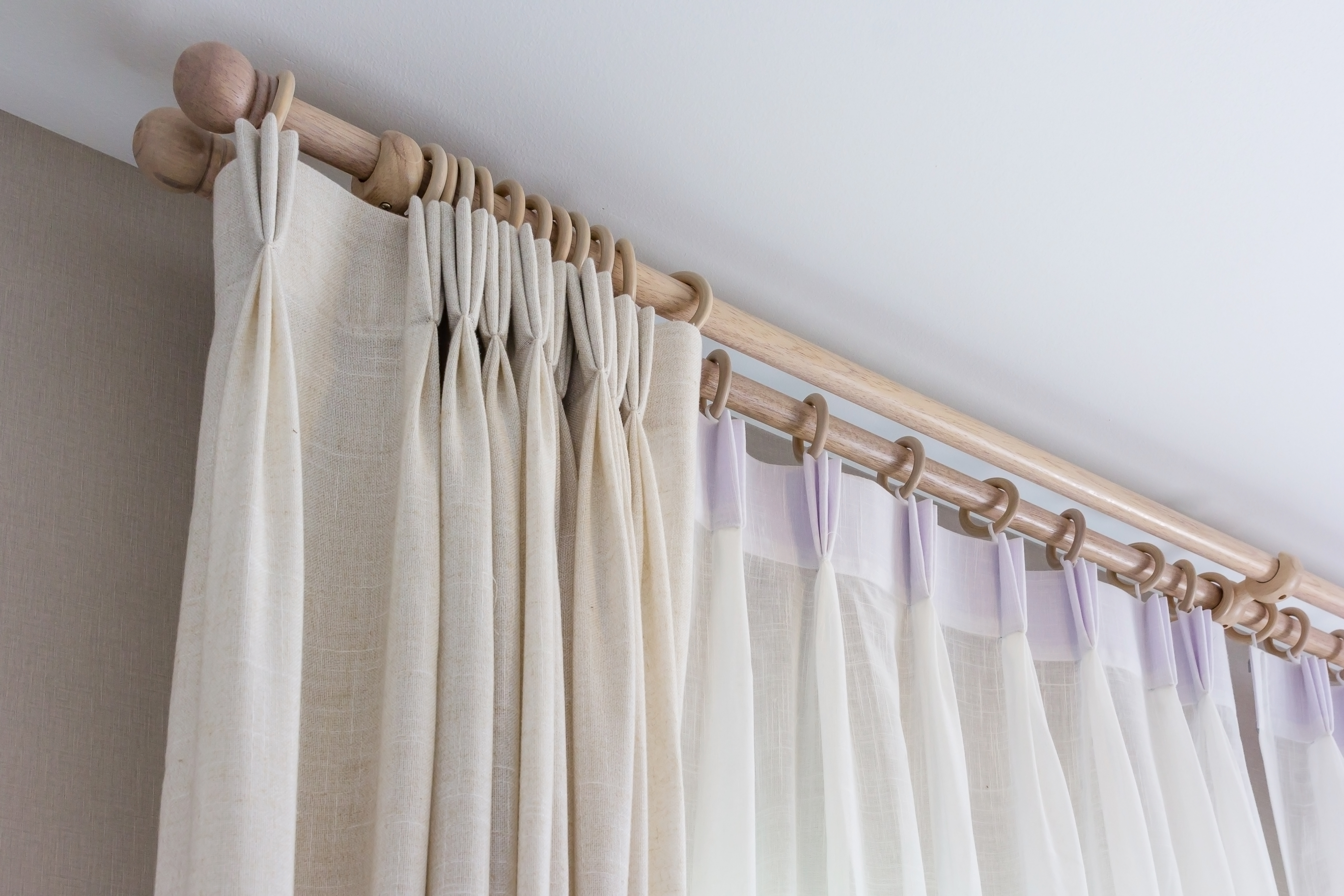
Window treatments fall under the categories of hard, soft, and layered. Hard refers to stiff, formed treatments that include window blinds and shutters. Soft refers to cloth window treatments that include drapes and curtains. Finally, layered refers to the combination of soft and hard treatments. For example, you might place flowing drapes over blinds to combine the practicality of a treatment that blocks the sun with the whimsical and elongating aesthetic of a full-window drape.

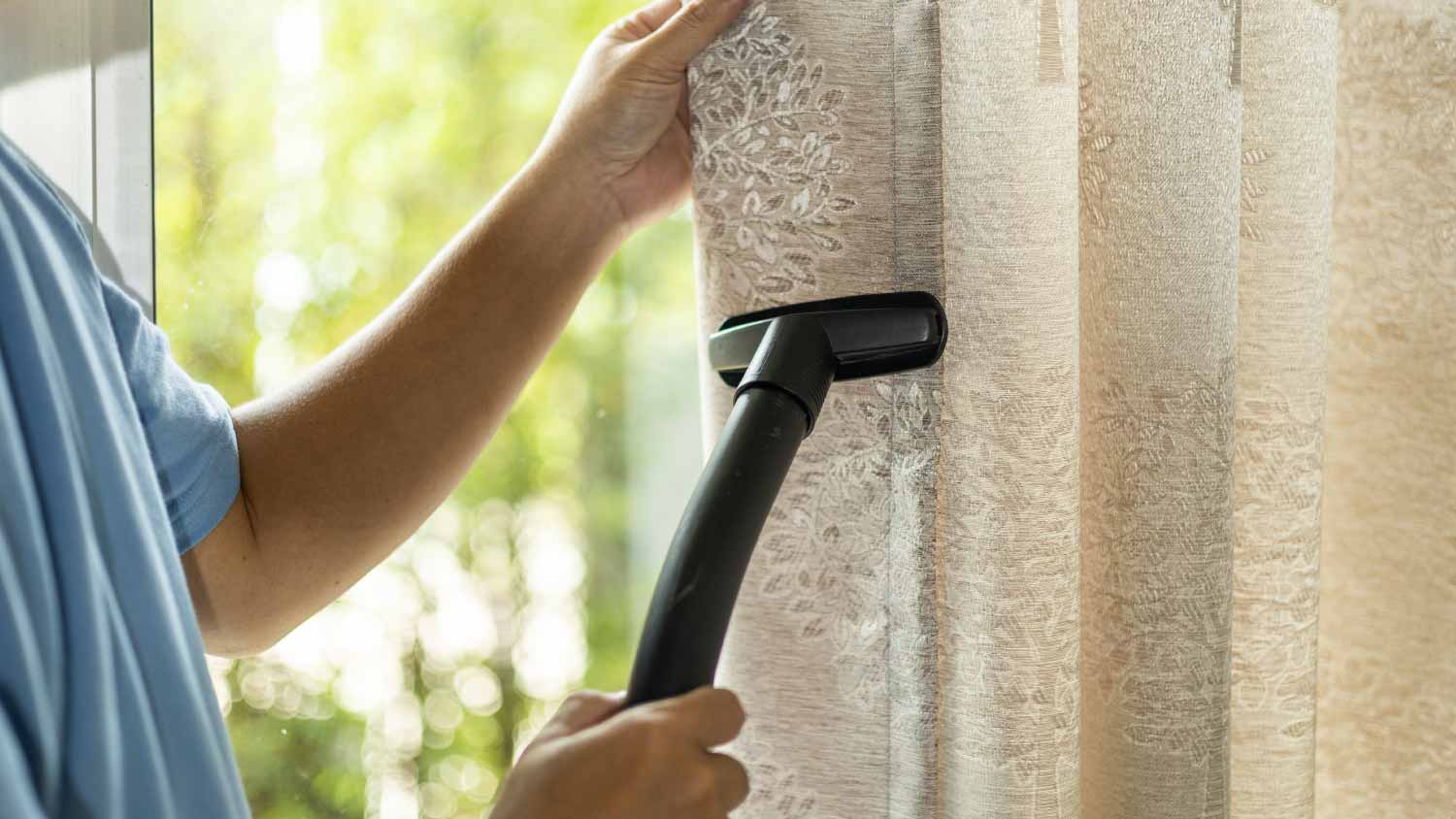
Vacuum regularly, spot-clean stains, and follow care instructions for specific fabrics to maintain their appearance.

You should avoid using a pressure washer on any surface or item that could be damaged by the high-pressure spray, as some materials are too delicate to withstand the force.

Key items and surfaces to avoid include:

  • Electrical Components: Never pressure wash electrical systems, as water can cause short-circuits and create a safety hazard. This includes utility meters, breaker boxes, electrical outlets, generators, and HVAC or air conditioner units.

  • Delicate and Fragile Materials: Fragile items can crack, shatter, or be stripped by the pressure. Avoid pressure washing windows, glass, light fixtures, shingled roofs (especially asphalt), and stucco.

  • Painted, Stained, or Sealed Surfaces: Unless your goal is to strip the finish, do not pressure wash painted surfaces, stained wood (like decks), or anything with a protective seal that could be stripped away. Be especially cautious with older surfaces that may contain lead paint.

  • Soft Woods and Certain Decking: Delicate surfaces like softwood, composite decking, and antique or wooden patio furniture can be etched or damaged. If you must wash wood, use a lower-powered pressure washer with a wide-angle nozzle to prevent damage.

  • Living Things: Never use a pressure washer on people, pets, or plants. The force can cause serious injury and will destroy landscaping.

Whether window film is better depends on individual preferences and specific needs. In some instances, window film can be much less costly to install. Aesthetics is also a deciding factor. Window film may have a more significant appeal for design minimalists looking for a clean and streamlined look without the heaviness that comes with curtains. On the flip side, they can also appeal to design maximalists looking for creative expression in the form of color, patterns, and texture. Choosing between window film and traditional window coverings depends on factors like desired functionality, aesthetics, and personal preferences.

The best way to clean drapes or curtains depends on the fabric. Always check the care tag for instructions before attempting to wash them.

You can typically clean drapes yourself if they are made of durable materials like cotton, cotton blends, polyester, or burlap, which can often be machine-washed. However, some fabrics can be hand-washed.

For delicate materials such as linen, silk, velvet, lace, sateen, or wool, it is best to hire a professional drapery cleaner. These fabrics are often dry-clean only and can be damaged, shrink, or be destroyed by machine washing or using the wrong cleaning solutions.

If the care tag is missing, the drapes are old, thin, brittle, or have existing damage like pulls or tears, it's safest to have them professionally cleaned. A professional will use the correct methods and solutions for a safe, deep cleaning.

The Joaquin, TX homeowners’ guide to drapery cleaning services

From average costs to expert advice, get all the answers you need to get your job done.