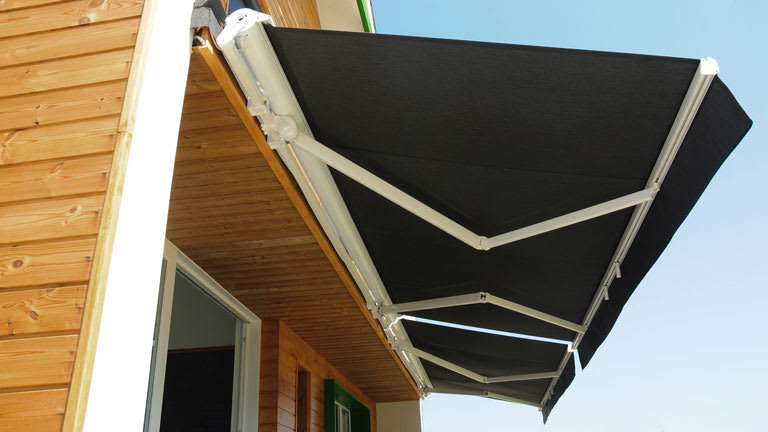



Top-rated patio cover pros.

Best patio cover pros near Cushing, TX

Enter your zip and get matched with up to 5 pros

Need a pro for your patio cover service project in Cushing, TX?

Select your specific project to find the pro for you.

Top-Rated Patio cover pros in Cushing - Updated Nov 2026

Avatar for Bankard Services
Bankard Services
5.0(
6
)
Fabric Awning or Patio Cover - Install or ReplaceFabric Awning or Patio Cover - RepairMetal Awning or Patio Cover - Install or Replace+1 more

Serving Cushing, TX and surrounding areas

Free estimates

Emergency services offered

Small jobs welcome

Maintenance professional with 20+ years of experience in mechanical systems, troubleshooting, and repair. I specialize in home repairs, fixture installs, drywall patching, and custom solutions—including welding and light fabrication. I take pride in clean, reliable work and showing up on time.\n\nI’m especially good at solving problems other contractors can’t or won’t take on. Whether it’s a small repair or a list of projects, I focus on getting it done right the first time. No sewer or major plumbing work.

Metal Fabrication
Metal Fabrication
Metal Fabrication
Metal Fabrication
Metal Fabrication

+10

Showing 1-10 of 18
Patio Covers FAQs, answered by experts

Hurricane fabric is a temporary form of hurricane protection that offers an alternative to boarding up windows or installing traditional storm panels. It is installed over windows, doors, and other openings before a storm. When installed properly, hurricane fabric is tested and proven to protect homes from Category 5 hurricanes, which can have winds over 157 miles per hour. It is intended to block the majority of wind and rain and protect against water, debris, and projectile damage. While the fabric is exceptionally durable, windows can still break if hit directly by high-velocity debris. Compared to other options, hurricane fabric is more protective than hurricane window film. Boarding up windows is more labor-intensive and requires storing heavy plywood, while hurricane screens are permanently attached to your home. To further increase protection, you can take additional steps like securing outdoor items and fortifying your home's foundation.

To ensure the installation process goes smoothly, it's wise to ask a potential pro several questions. Key topics to cover include:

  • Licensing and Insurance: Do you have a professional license and insurance to perform this work? This is crucial as installing an awning into a home's exterior can be a complex job.

  • Cost Estimate: What was the price of similar jobs you've completed? Awning installation costs can vary based on size, design, and location, so this helps establish a general price range.

  • Project Timeline: How long will this project take to complete? Getting an estimated timeline provides peace of mind, even though unforeseen hurdles can occur.

  • Building Permits: Will I need a building permit for this project, and who is responsible for obtaining it? An experienced local contractor will be knowledgeable about local rules and regulations.

  • References and Portfolio: Do you have references from previous clients or photos of completed projects? Speaking with past clients and seeing previous work can give you insight into their experience and the quality of their work.

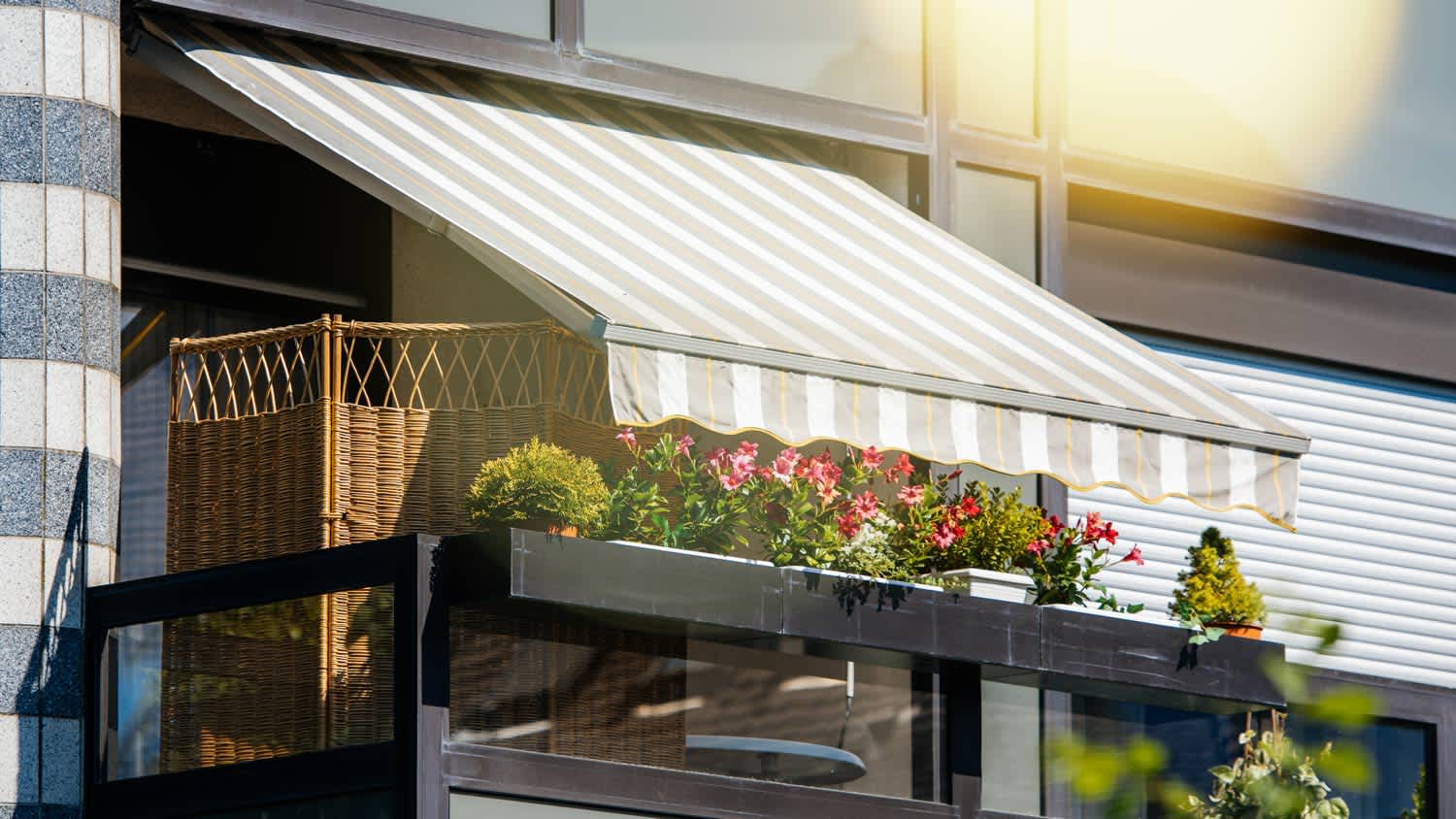
On average, awning costs range from $1,400 to $4,400. The low end of the cost range can be around $100 up to $7,500 on the high end. Cost factors include the type of awning, size, and location. Portable awnings are the most affordable and DIY-friendly to install, costing $100 to $400. Larger, motorized awnings tend to be more solidly built, ranging in price from $2,000 to $3,500.

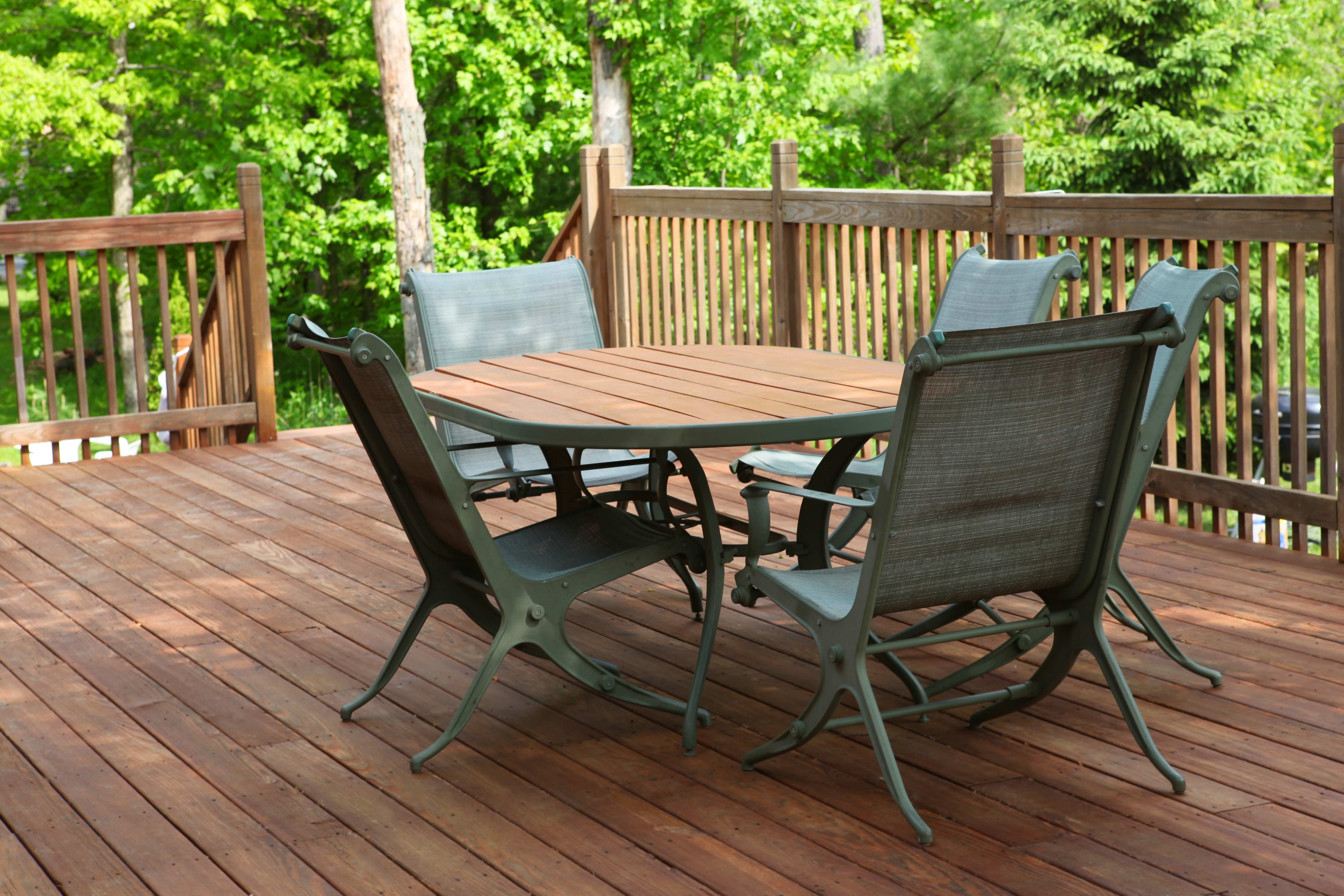
A covered deck can be a good investment that increases your home value—especially if you live in a hot region with a lot of sun. A covering over the deck means you can get more use out of it, even on the hottest summer days. With a permanent deck covering, you can even add ceiling fans to help cool down your deck for added comfort.

The cheapest material for covering a tennis court is rubber or clay. Rubber needs to be installed over a concrete or asphalt base, however, which can make the project more expensive up-front (but cheaper to resurface over time). Clay courts are among the most affordable, but they aren’t the best to play on and require a lot of maintenance.

The Cushing, TX homeowners’ guide to patio cover services

From average costs to expert advice, get all the answers you need to get your job done.