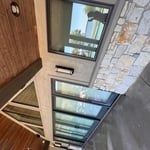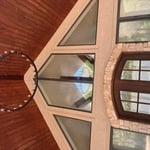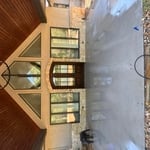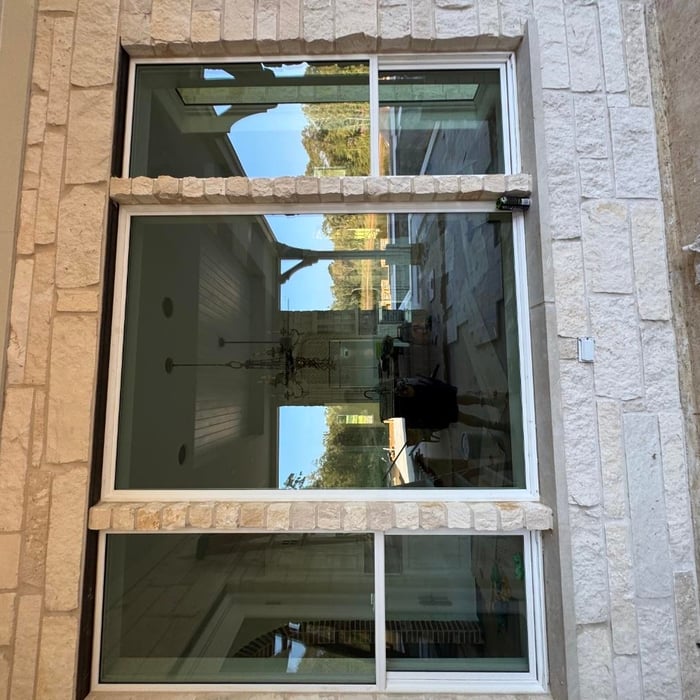

Top-rated sonic cleaning pros.

Get matched with top sonic cleaning pros in Celeste, TX

Enter your zip and get matched with up to 5 pros

Need a pro for your sonic cleaning project in Celeste, TX?

Select your specific project to find the pro for you.

TRUSTED BY CELESTE, TX HOMEOWNERS

  • Average homeowner rating star icon4.4
    Average homeowner rating
  • Verified reviews icon31
    Verified sonic cleaning services reviews

Find Sonic cleaning pros in Celeste

...
Showing 1-10 of 307
Sonic Cleaning questions, answered by experts

Roof cleaning can damage shingles if it’s done incorrectly—like with a high-power power washer—but it likely won’t damage your roof if you pay to have an expert do the work. A professional roof cleaner will use a gentle cleaning solution and a cleaning method that matches your roof material to ensure the process doesn’t damage the roof. Some homeowners worry that roof cleaning will shorten the life of their roof by removing shingle particles or protective coatings, but it often extends roof life by removing plants that cause damage and improves your home’s curb appeal simultaneously.

Having your roof cleaned can be worth it because it improves the life span of the materials on the roof. You won’t have to pay a roof replacement cost as often when you clean the roof regularly. 

The best time of year for roof cleaning depends on your local climate, but generally, late spring, summer, or early autumn are ideal. Plan to clean your roof on a day with dry weather and moderate temperatures.

Late spring and early summer are excellent for cleaning off grime accumulated after a snowy winter or wet spring. Summer often provides the necessary dry conditions, though in very hot climates, late spring may be more comfortable. Alternatively, cleaning in late autumn can clear away debris like leaves and branches before winter.

Avoid cleaning your roof when it is cold enough for water to freeze, as this can cause dangerous ice buildup.

It’s possible that installing solar panels can lead to mold on the roof. The panels themselves are not the issue. Problems caused by improper installation—such as roof leaks and mounts that aren’t sealed properly—can cause mold. Another potential cause of mold is debris accumulation under panels, which can trap moisture. If you live somewhere with extreme snow, rain, or hail, your home could be more prone to mold.

You should avoid using a pressure washer on any surface or item that could be damaged by the high-pressure spray, as some materials are too delicate to withstand the force.

Key items and surfaces to avoid include:

  • Electrical Components: Never pressure wash electrical systems, as water can cause short-circuits and create a safety hazard. This includes utility meters, breaker boxes, electrical outlets, generators, and HVAC or air conditioner units.

  • Delicate and Fragile Materials: Fragile items can crack, shatter, or be stripped by the pressure. Avoid pressure washing windows, glass, light fixtures, shingled roofs (especially asphalt), and stucco.

  • Painted, Stained, or Sealed Surfaces: Unless your goal is to strip the finish, do not pressure wash painted surfaces, stained wood (like decks), or anything with a protective seal that could be stripped away. Be especially cautious with older surfaces that may contain lead paint.

  • Soft Woods and Certain Decking: Delicate surfaces like softwood, composite decking, and antique or wooden patio furniture can be etched or damaged. If you must wash wood, use a lower-powered pressure washer with a wide-angle nozzle to prevent damage.

  • Living Things: Never use a pressure washer on people, pets, or plants. The force can cause serious injury and will destroy landscaping.

The Celeste, TX homeowners’ guide to sonic cleaning services

From average costs to expert advice, get all the answers you need to get your job done.