






We pride our company on reliability, great communication, integrity, and quality work. We are experts in our trade and will do our best to keep you as educated as we can on your particular task or project. We look forward to earning your business!

"It was good to have a comparative estimate for the damage our home sustained. I later found out that the company has a training company for insurance adjusters. The owners were trained by some of the top Insurance providers & wanted to offer the service to homeowners & agents. The ease of talking with them about the claim process & feeling less like a dummy for not knowing what is my insurance policy (they helped me with that too) relieved my anxiety a whole lot."
Lead Testing and Removal questions, answered by experts
Services test for allergens, mold, VOCs, and carbon monoxide levels to ensure a healthy indoor environment.
DIY kits are available for basic air quality testing, but professional services provide more comprehensive results and recommendations. While a DIY kit may seem cost-effective, a professional assessment is more thorough. Inspectors are better equipped to catch all pollutants and hazards, and you'll still need a professional to verify and act on DIY test results. Furthermore, some kits don't test for certain pollutants or only detect their presence without measuring specific levels (like mold spores). It's generally better to opt for a detailed professional assessment.
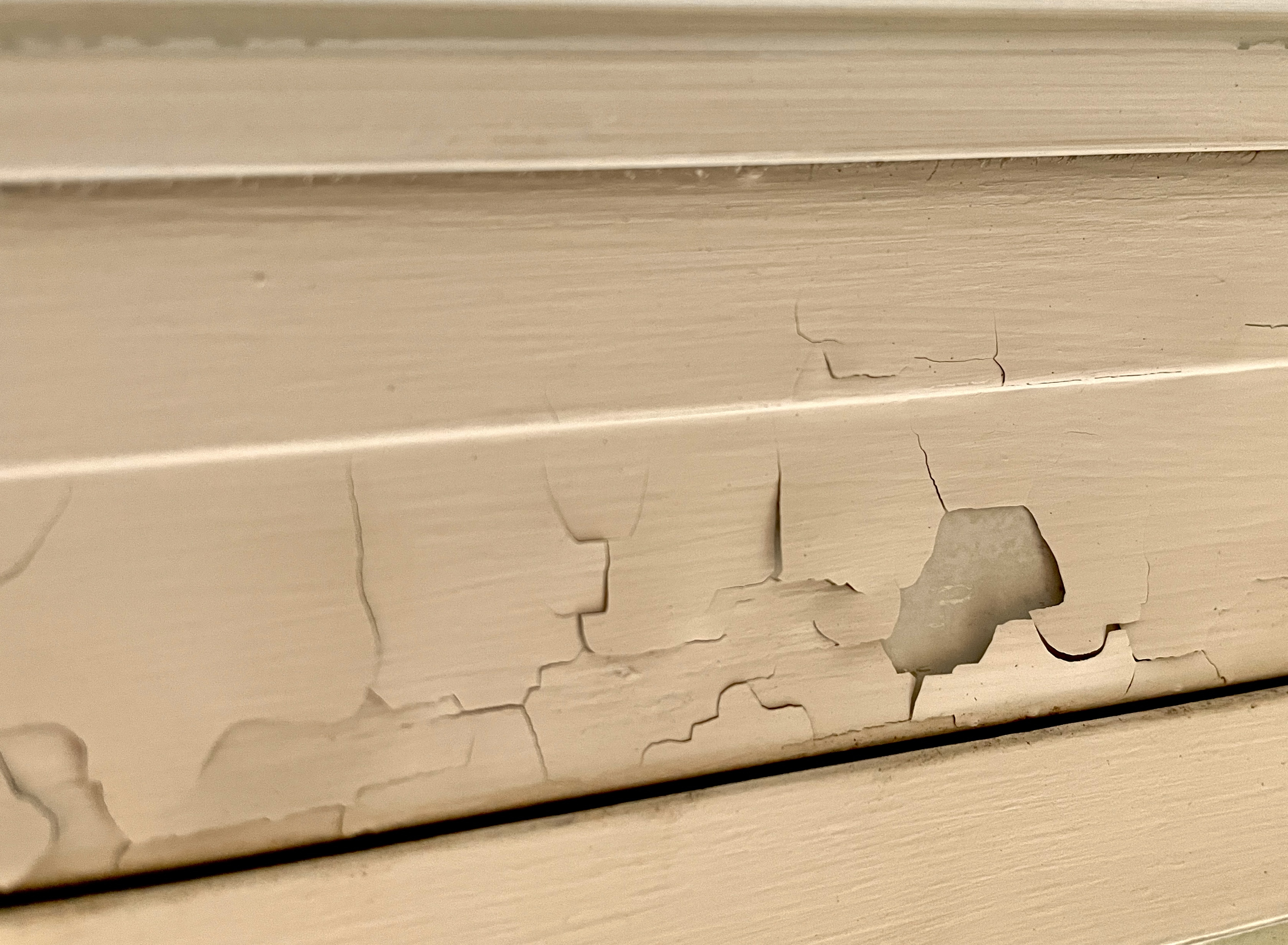
Lead exposure poses serious health risks, particularly for children, and can be present in paint, pipes, and soil.
Professional testing for lead paint costs about $300, ranging from about $250 to $700, depending on the square footage, accessibility, and location. However, testing for lead paint with a DIY home-testing kit costs about $25, but doesn’t guarantee accurate results. The U.S. Environmental Protection Agency (EPA) recommends using a lead test kit that complies with the Lead Renovation, Repair, and Painting (RRP) Rule, which has strict criteria for ensuring a more accurate reading.
Common home surfaces to test for lead include:
Walls
Windows
Doors
Molding and trim
Railings
Determining if your water main contains lead involves a few steps. First, check the age of your property, as homes built before the 1980s might have lead pipes. Contact your water utility company for information on your service line material. Then, you can hire a professional plumber to conduct an inspection or use a lead testing kit to analyze water from the main line.
The Bridgeport, TX homeowners’ guide to lead testing and removal services
From average costs to expert advice, get all the answers you need to get your job done.
Get expert insights on lead paint inspection costs, including key cost factors and ways to save. Learn what affects your estimate and how to budget effectively.
Learn how to hire a qualified lead testing professional for your home. Find certified inspectors, understand costs, and protect your family from lead hazards.




