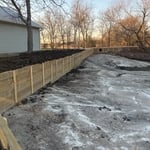
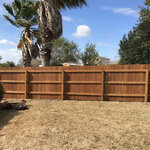
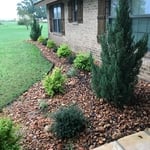
"Great experience with a very professional crew. The work of fixing my front sidewalk and driveway was completed quickly, on time, and looks great now! Thanks to Jackie and Ryan, who did the repair work. They were friendly, efficient, and quickly completed all the work needing to be done. They answered all my questions. I would go to Baird Foundation Repair without hesitation for any future foundation or concrete work, if the need develops. I'll be recommending Baird to all of my neighbors and friends. Oh, and the cost of the work being done actually came in a little under what I was expecting, which was a very nice surprise!"
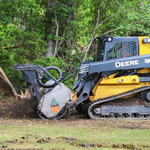
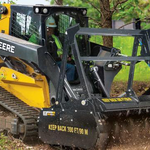
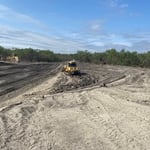
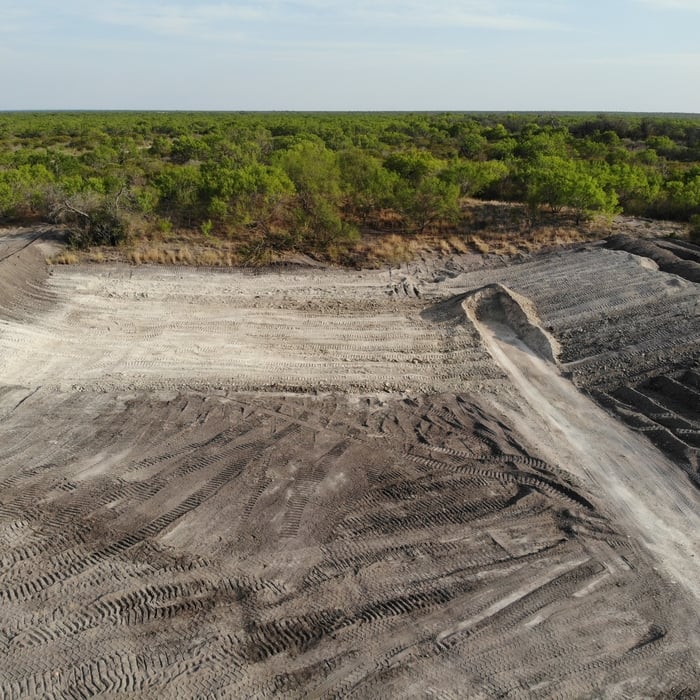
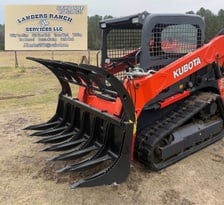
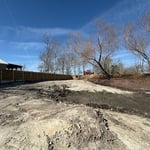
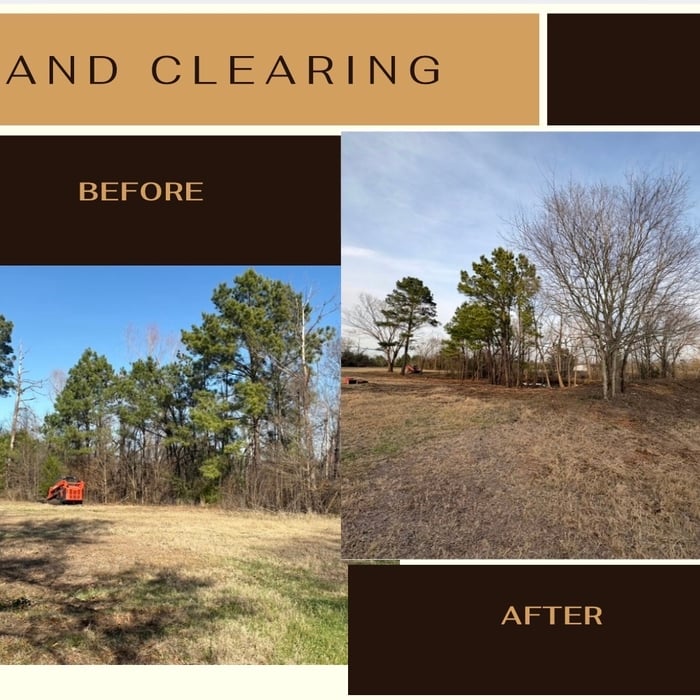
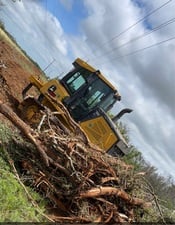
"10/10 recommend!!! Very professional and did a phenomenal job! Cleared roughly 3 acres on our property and made it go from thick brush to flat land! Will definitely be using him in the future!"
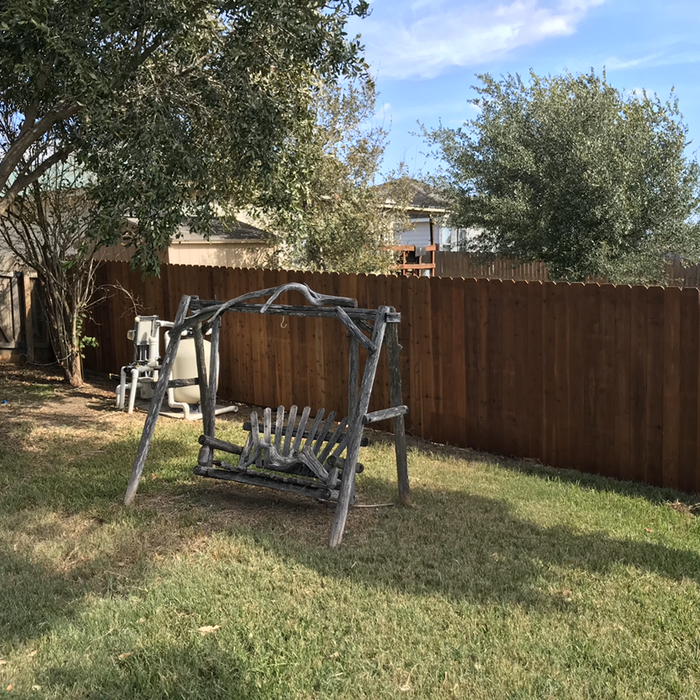
"It was excellent. They did what and when they said they were going to. They worked with me when I had a couple of special requests. All in all, very professional ."
"Handyman Carpentry came through for me and my family! Our door was kicked in and I needed to feel safe immediately. Mr. Kevin came through with a fast response, and great work. He kept in contact throughout the entire time! Reasonable and fair pricing. This was an emergency for me and Mr. Kevin and his squad came through. We will definitely be calling on him again for more carpentry and home improvement jobs! Thank you and I pray nothing but growth and success for you and your business!!"
Yes, you can technically make a crawl space liveable, but the only way to do so is by converting it into a basement. While some crawl spaces are big enough to walk through and store large items, they lack appropriate insulation and space to be liveable.
Yes, you can install a trench drain if you already have concrete in your yard or garden. While it can complicate some aspects of the job and slightly run up the cost, it is doable. Residential trench drains can be easily retrofitted to outdoor areas with concrete without having to remove excessive amounts of your patio, pool area, or decorative walkways.
Most states do not require excavation companies to hold specific licenses, but many require at least a contractor’s license. Additionally, heavy equipment operators require a special commercial equipment license to operate machinery required for excavation. You can use Angi’s contractor licensing tool to confirm that an excavation company you’re considering hiring is fully licensed. You should also make sure that the excavation team is fully insured before allowing them to work on your property.
There are many ways to cut through roots when digging, especially if your trencher doesn’t seem to be removing the roots. First, use a shovel to expose the roots. Then, use gardening shears to clear out smaller roots or a reciprocating saw to remove larger plant roots. If you plan on keeping the plant, avoid cutting any roots over 2 inches thick.
A walk-behind trencher can cut through roots as long as they’re not too thick, making a project much easier than digging with a shovel and other hand tools. Assess your terrain and the number of trees in the surrounding area to determine if a walk-behind trencher will ease the job. Digging a trench by hand is much more time-consuming and labor-intensive.
The Batesville, TX homeowners’ guide to excavation services
From average costs to expert advice, get all the answers you need to get your job done.
Excavation costs $1,500 to $6,300 for most residential projects—but it depends on factors like the size of the area. This guide will help you plan a budget.
You can't have an in-ground pool without digging into the ground. How much does pool excavation cost, and can you take it on yourself? Our guide explains.
Picking the right pro can make or break your project. Learn how to hire an excavation pro with the qualifications and skillset to do the job efficiently.