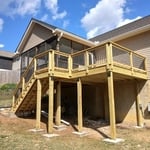
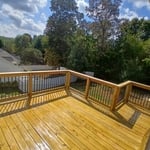
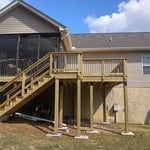
"Responded immediately to my request. Professional. On time. Thorough. Explained the work he would do, gave reasonable, fair estimate and completed the work on time. Excellent work: power washed drive, house and refreshed and painted the deck. Completely satisfied with the work and cost. I can highly recommend this contractor and will definitely use this contractor again."
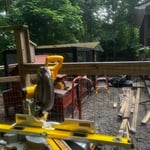
Carpentry is my primary background. Built cabinets and did custom bathroom and kitchens for 9 yrs. Switched trades and now have been an electrician for 5. Very well rounded and can tackle most of your needs
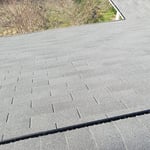
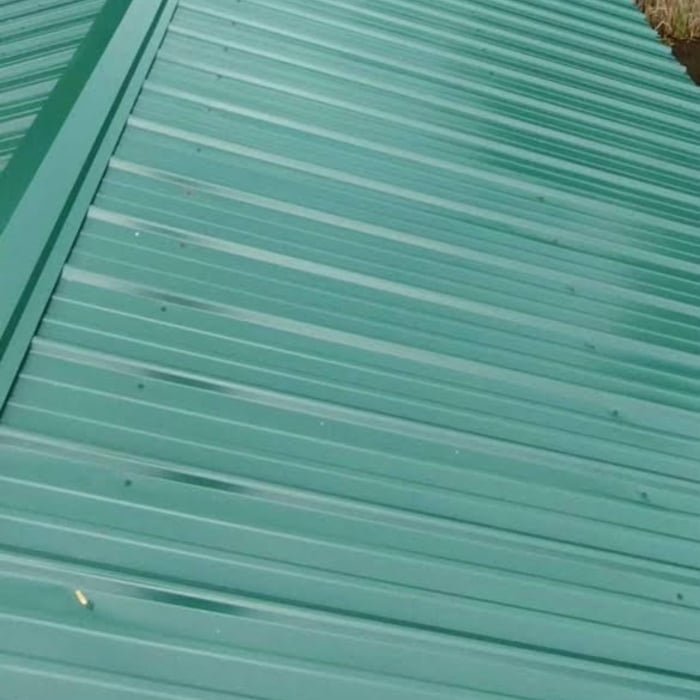
"I had my roof and siding cleaned. Elite Solution Pressure Wash did a fabulous job. My roof looks like new and I was very pleased with how they left the jobsite when they were finished! They were friendly, prompt, and fulfilled all my requests. I will definitely be using them again!"
Typically, most residential wooden decks are designed to support approximately 40 pounds per square foot, including the deck’s weight and any items placed on it. While this is fine for typical use, it is usually not enough to hold the weight of a hot tub filled with water and people. To safely support a hot tub, your wood deck will likely require reinforcement. Therefore, it’s best to have a contractor or a structural engineer assess it before hot tub installation.
Pressure-treated decks last 15 to 20 years on average, but with proper maintenance, you could get 40 to 50 years of value from yours. Reseal your deck every one to two years, and replace old or rotted wood as soon as possible to avoid structural damage. Where you live plays a role in the lifespan of your deck. Intense sunlight, rainfall, wind, and hail can reduce the deck’s lifespan.
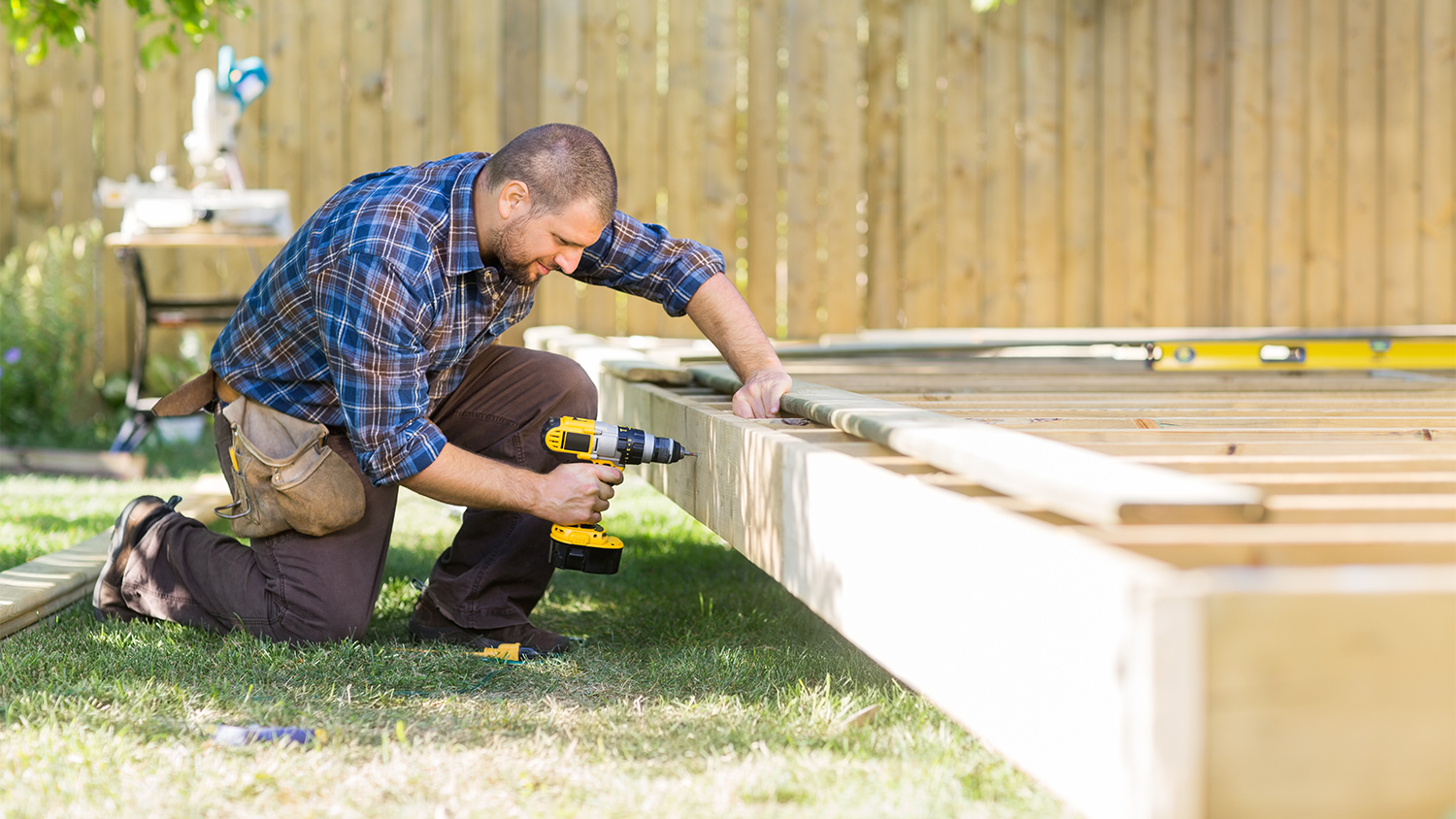
When installing deck boards, screws are generally a better option than nails. Screws offer superior holding strength over time, keeping the boards securely in place. In contrast, nails are more likely to pop out, which can create a tripping hazard. While you can use either, we recommend using 3-inch galvanized deck screws. To minimize the risk of cracking the wood, it's a good practice to drill small pilot holes before driving the screws into the deck joists.
Before installing a new railing, check the condition of the deck frame and joists, especially around the perimeter where posts attach. If boards are loose, soft, or show signs of rot, the structure may need repair. A deck pro can inspect your framing to confirm it meets load-bearing requirements.
When building an outdoor or deck gate, it's crucial to use durable wood that can withstand harsh weather conditions like sunlight, rain, wind, and snow. Redwood and cedar are excellent choices as they naturally resist decay. While redwood is considered more elegant, cedar is a more affordable option. Other suitable woods include oak and pressure-treated pine, which is specifically treated to resist rot. Although some softwoods like pine are popular, untreated softwoods such as pine and spruce should generally be avoided for outdoor projects because they are susceptible to damage from water, rot, and the sun. Ultimately, it's wise to consider your local climate when selecting the right wood for your gate.
The Pikeville, TN homeowners’ guide to deck maintenance services
From average costs to expert advice, get all the answers you need to get your job done.
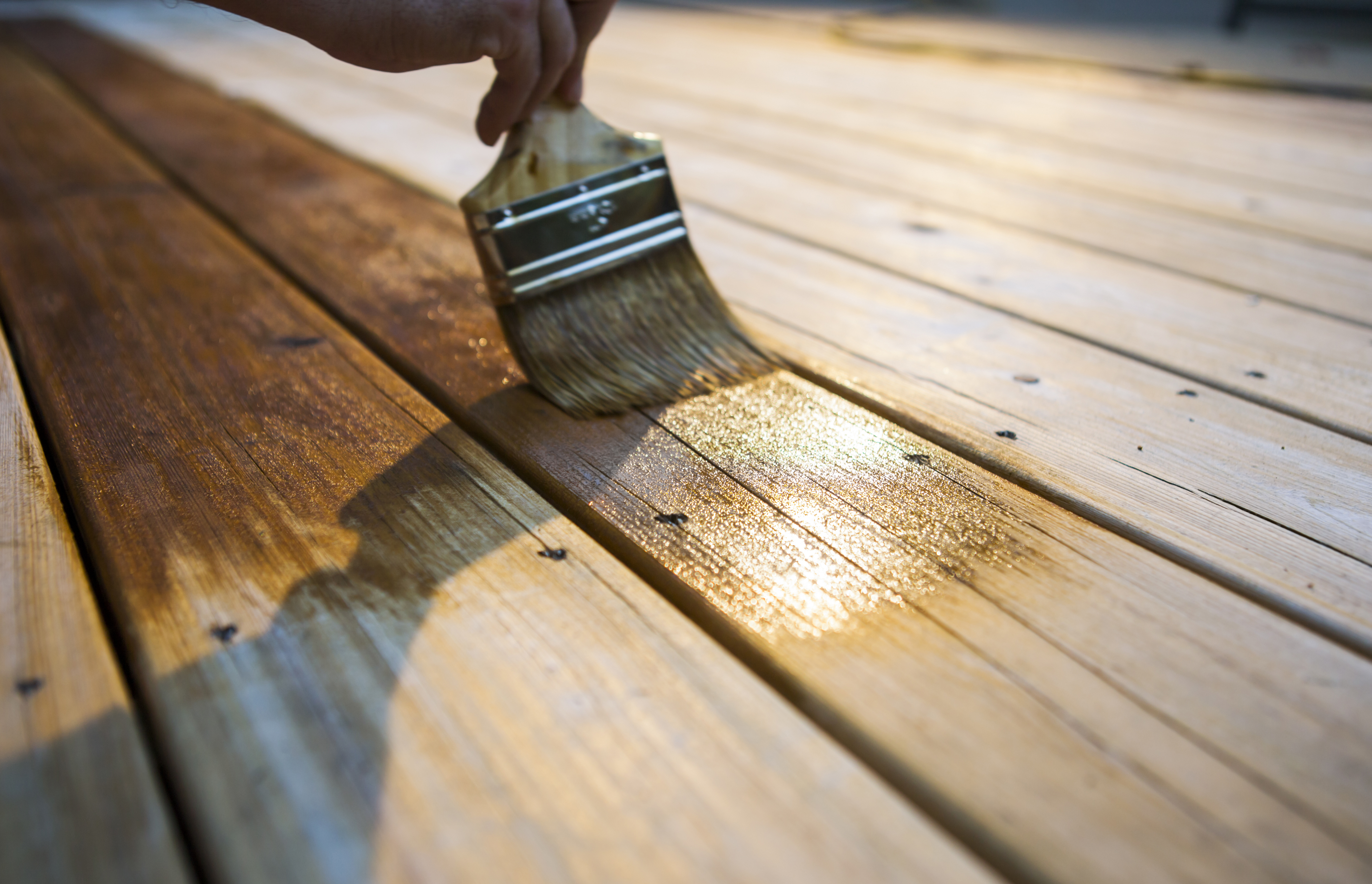
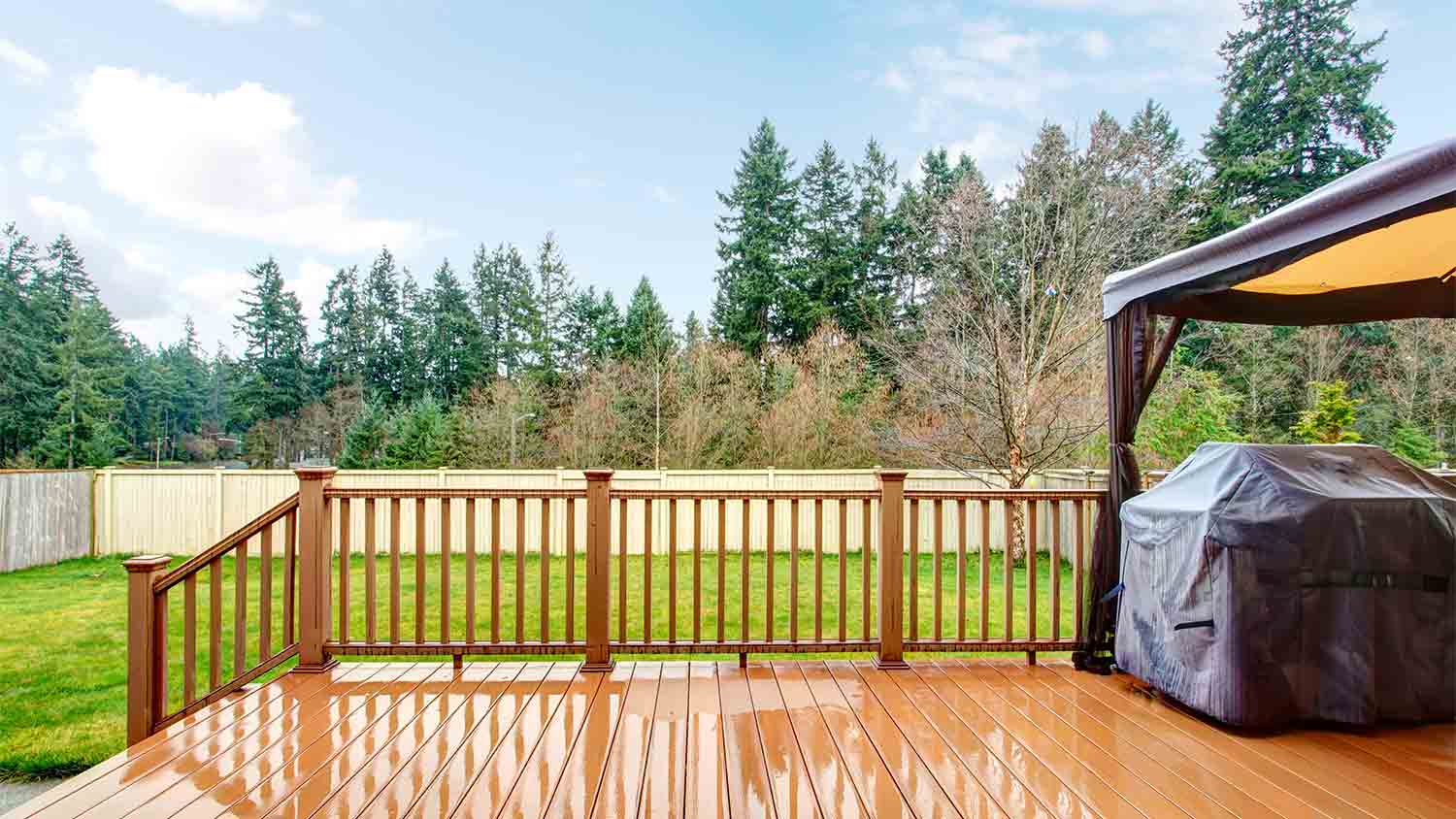
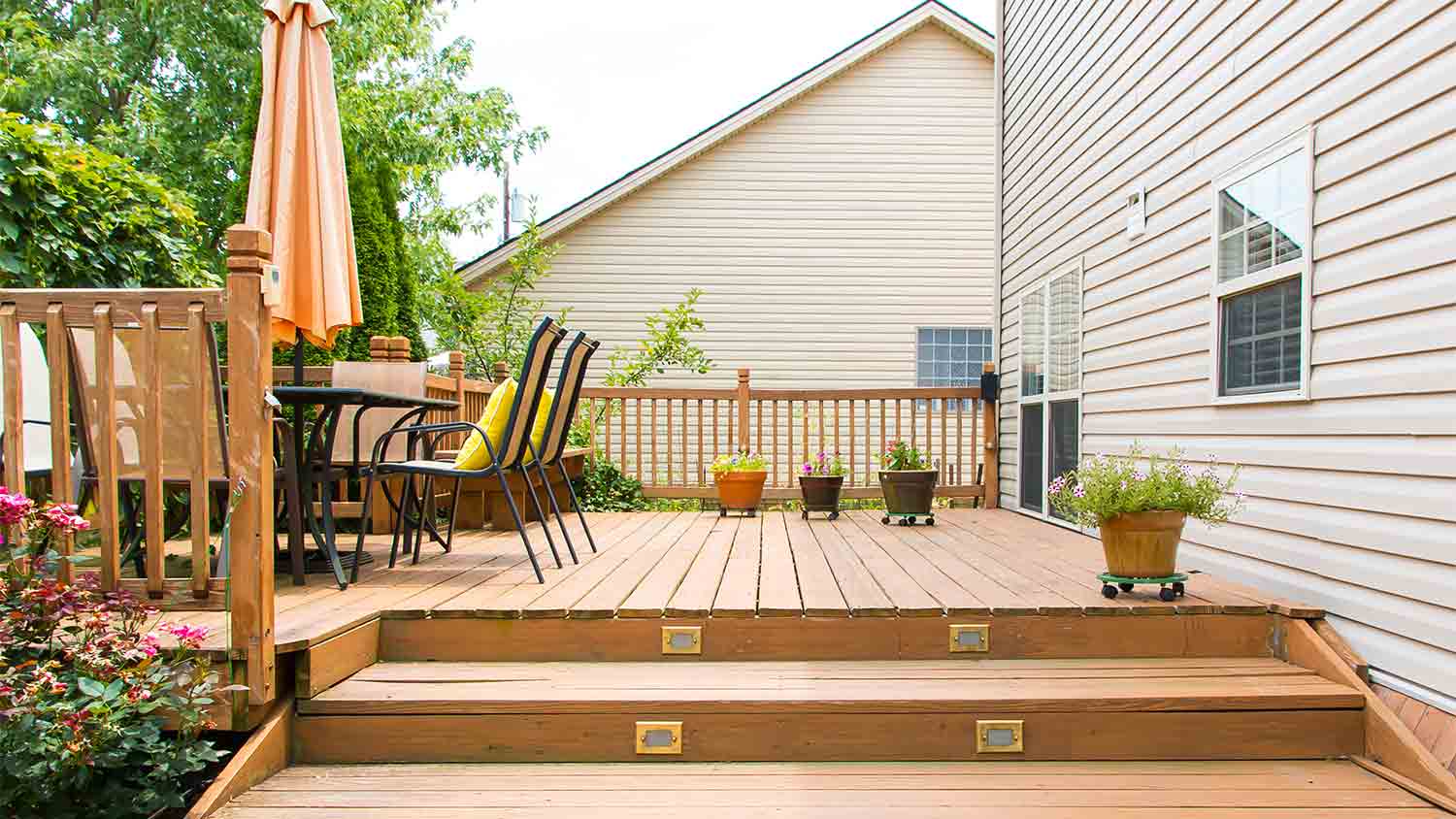
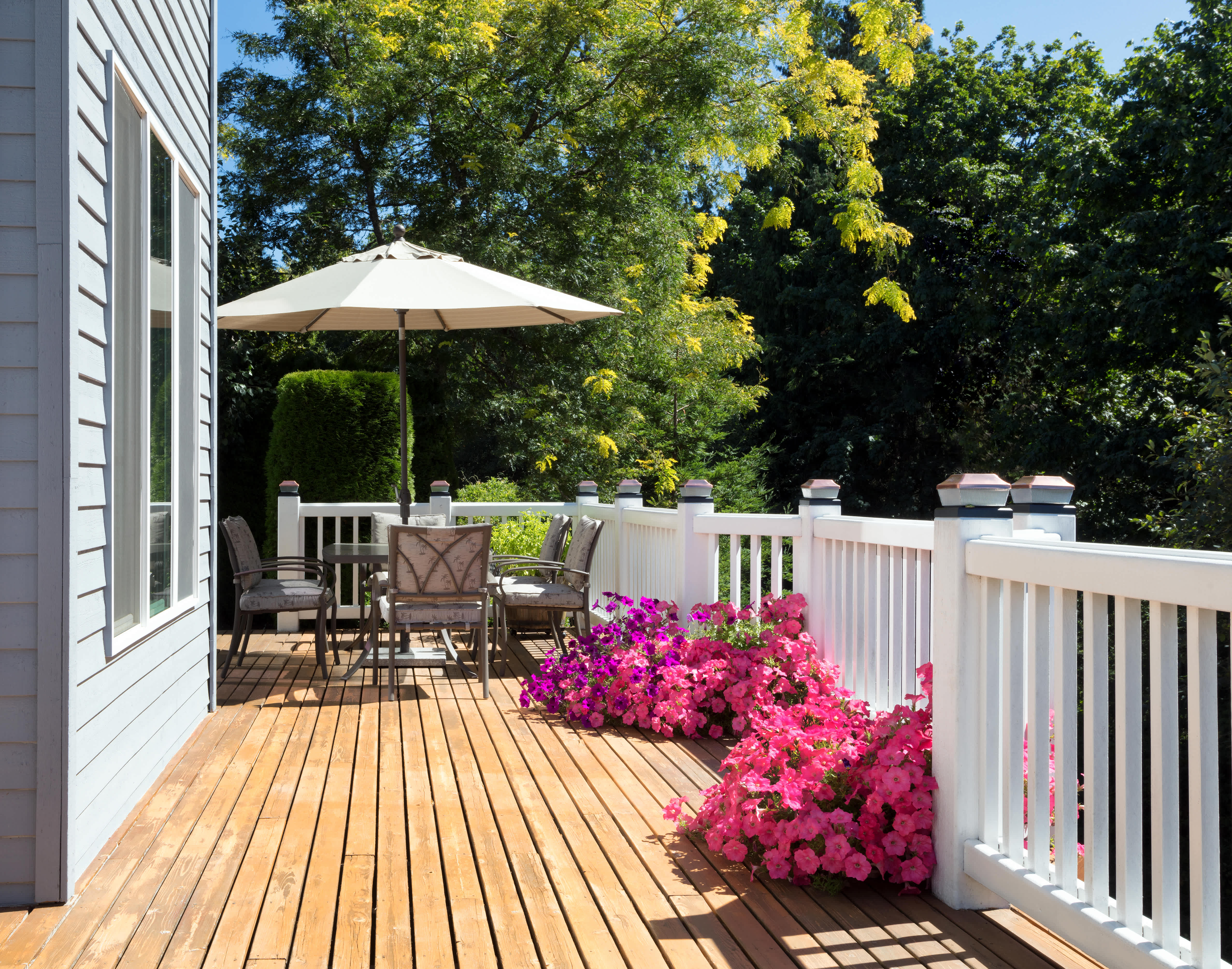
Deck maintenance is vital to protecting a wooden deck. Cleaning, staining and sealing a deck after pressure washing will add years to its lifespan. Protect a deck by following these deck maintenance tips for cedar and other types of wood materials.
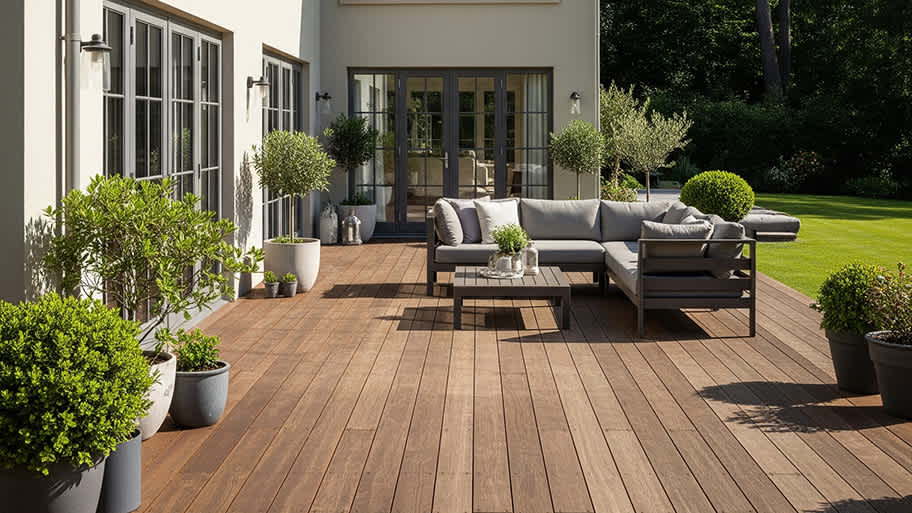
Finding maintenance-free decking that works for your home, budget, and lifestyle can be challenging. This guide lists the 7 best low-maintenance deck materials.