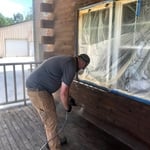
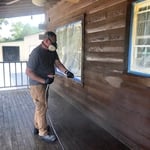
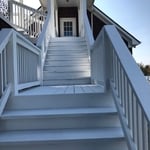
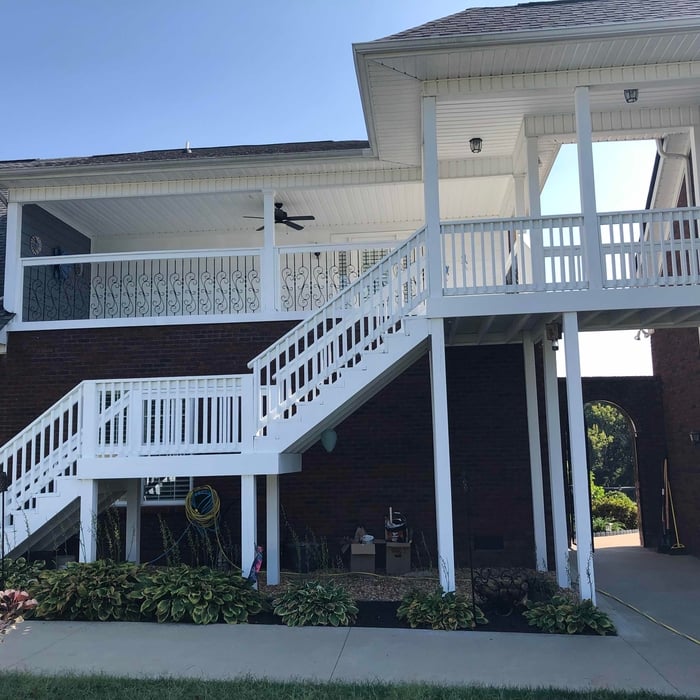
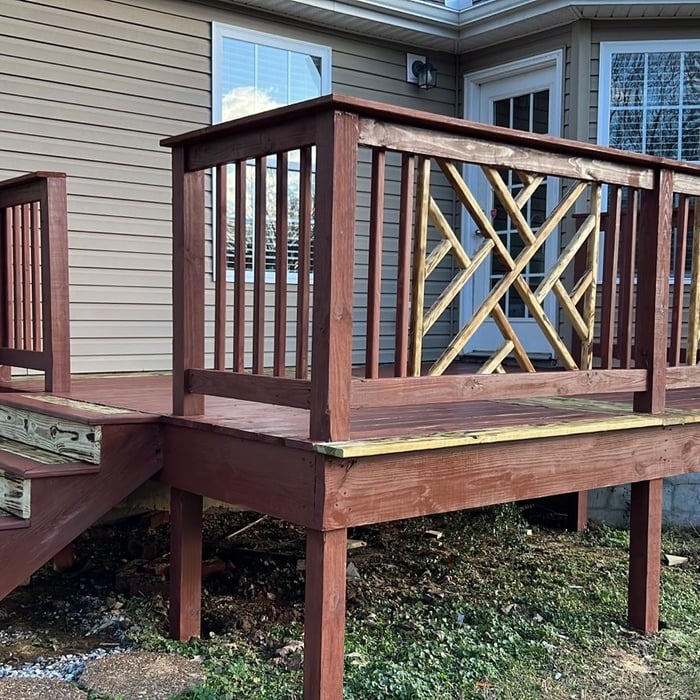
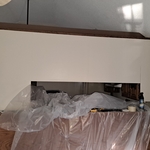
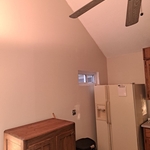
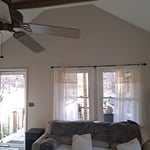
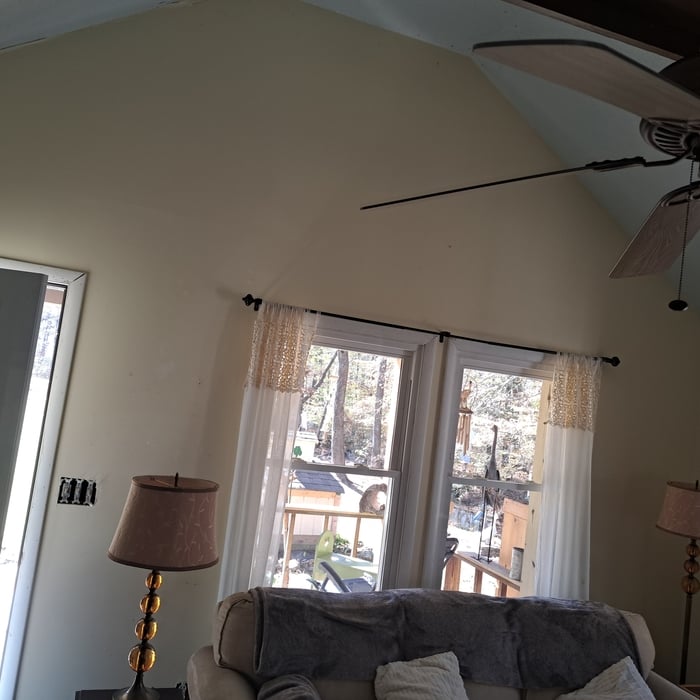
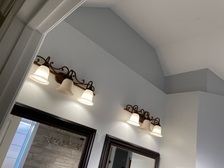
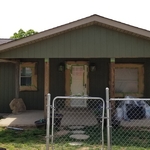
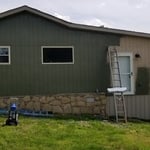
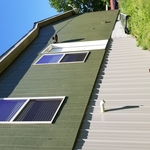
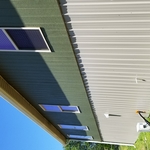
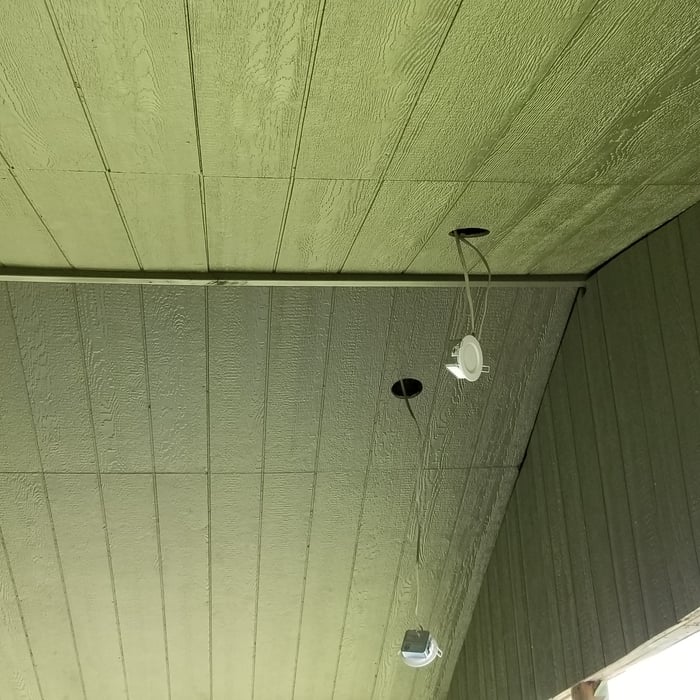
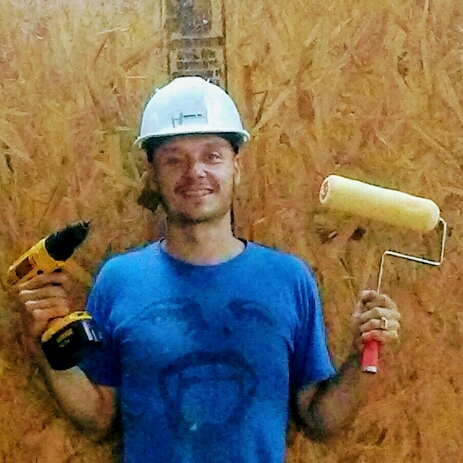
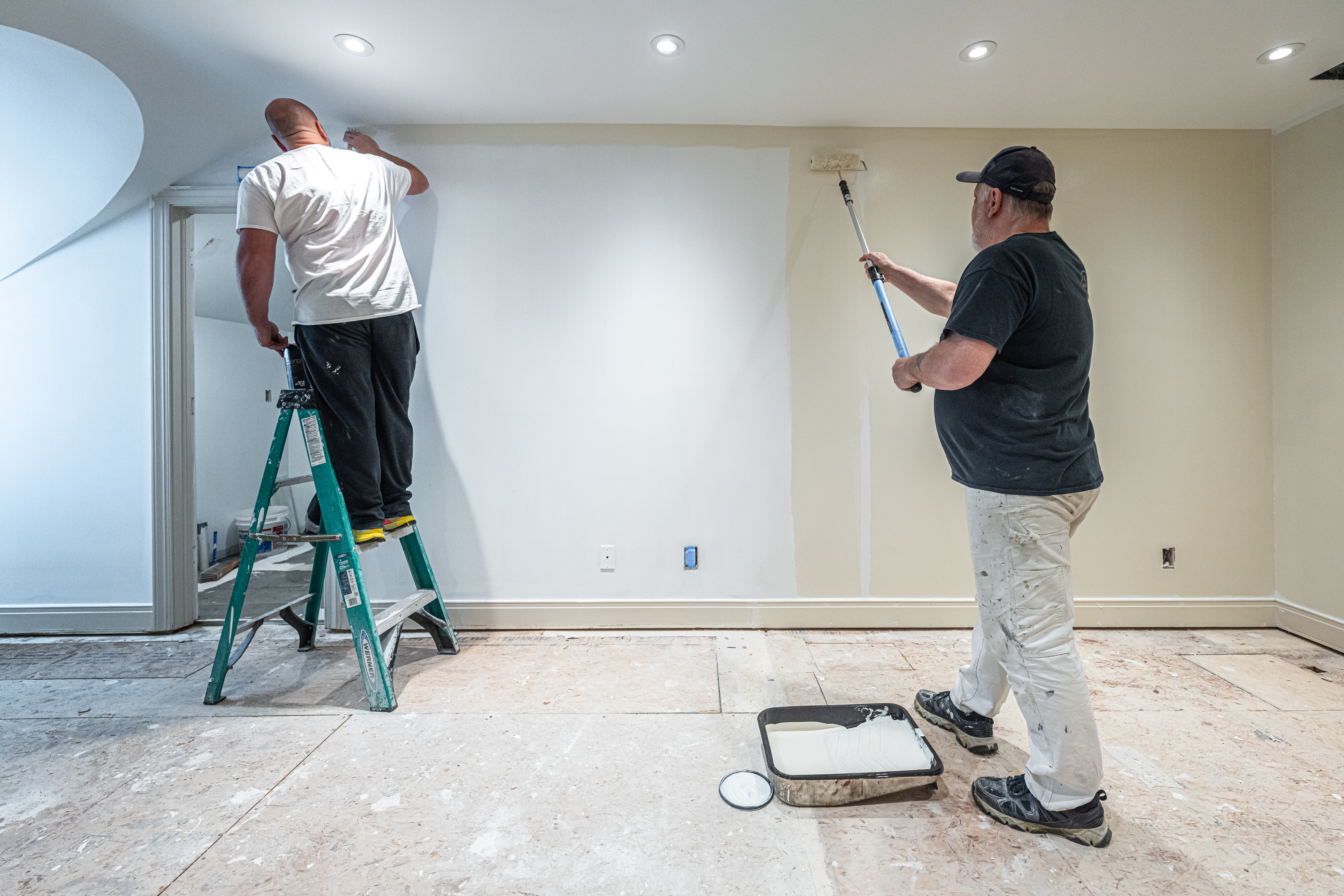
"They did an excellent job. Listened to our needs and followed through. In fact, we have hired them to do some exterior painting. Highly recommend to anyone who has a painting project."
"David got our project completed in the timeframe we asked for, and did a really good job. We would have no problem recommending him, or with using his services again."
Tracy's Hammer, Nail, Paint & Pail is your one stop shop for all your home improvement needs, and guarantees you a job well done - Inside and out.
\nWe strive to exceed the customer's expectations each and every time and get the job done the way you want it. We work in a timely fashion and always pay attention to detail. Call today!
Acrylic latex paint is the best option to use on your outdoor wrought iron fence, because it holds up well against the elements. Use a high-quality, exterior-grade paint specifically designed for use on metal. You can choose between spray paint or regular liquid paint. As for primer, it's best to use an oil-based and rust inhibiting option before painting your wrought iron fence.
Yes, many fence repair services include treatments like sanding, priming, rust prevention, and repainting to protect the fence and restore its appearance. These services help prevent further corrosion and improve aesthetics. However, since not all providers include this, it is best to confirm what is covered before scheduling the repair.
Overall costs depend on the fence height and length, prep work required, and labor if hiring professionals, ranging between $1 and $4 per square foot.
Typically, a fence requires one to two coats of stain. The exact number can vary depending on the porosity of the wood. For specific guidance, it's best to check the manufacturer's instructions. After applying the first coat and letting it dry completely, you can assess the finish. If it appears patchy, uneven, or you want a more saturated color, a second coat is recommended. An extra coat can also help cover lap marks.
A dry lawn is easier to edge than a wet one. When your ground is wet, your blades will likely clump together, making a seemingly even cut while wet, but an uneven disaster when dried. Also, a wet lawn can impact your blade's performance and cause mud to kick up, resulting in a messy finish.
The Loretto, TN homeowners’ guide to painting services
From average costs to expert advice, get all the answers you need to get your job done.