








Top-rated deck staining pros.

Get matched with top deck staining pros in Atwood, TN

Enter your zip and get matched with up to 5 pros

Need a pro for your deck staining project in Atwood, TN?

Select your specific project to find the pro for you.

Find Deck staining pros in Atwood

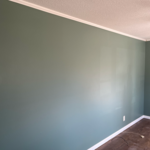
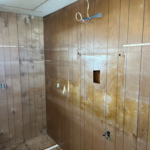
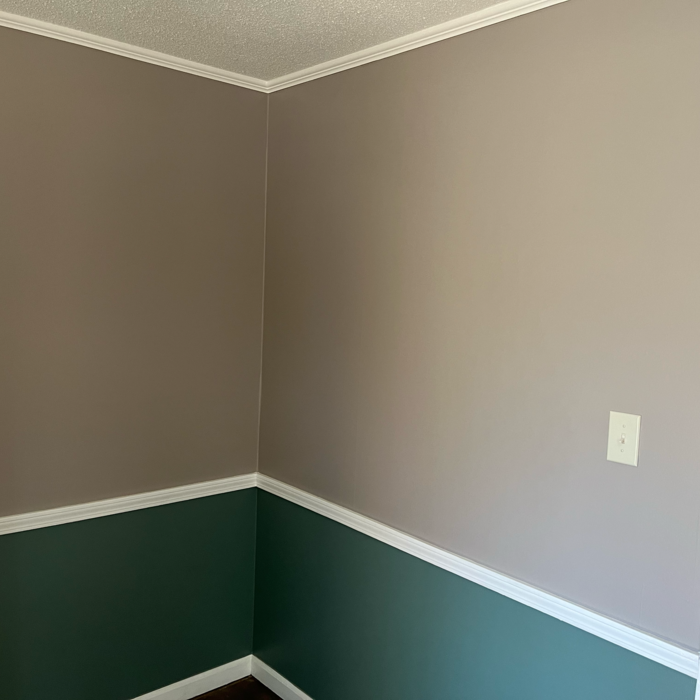
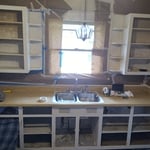
Quality Resurfacing
3.7(
3
)
Exterior Home or Structure - Paint or StainExterior Home or Structure - Paint or Stain: LargeExterior Home or Structure - Paint or Stain: Medium

Serving Atwood, TN and surrounding areas

In business since 2019

Free estimates

Credit card accepted

"These young men, done an awesome job. My bathroom looks great. Very satisfied with the outcome! Not only do they provide great service, they were respectful of my home, and worked around my schedule. Definitely would refer who is needing this type of work done."
Before
After
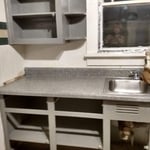
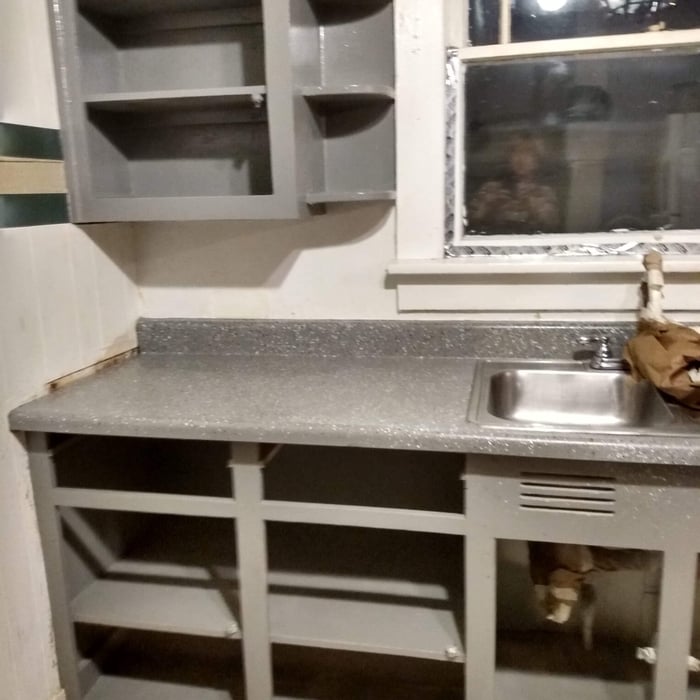
Kitchen Cabinets and Countertops
Additional Photos
Additional Photos

+24

Recommended by66%of homeowners
Advanced Color Coatings
New to Angi
Exterior Home or Structure - Paint or Stain: LargeExterior Home or Structure - Paint or Stain: Medium

Serving Atwood, TN and surrounding areas

In business since 1999

With over 20 years of experience in the painting industry, you can trust ACC. We are reliable, meticulous, and professional. Some companies just coat your house, we revitalize your home and office! We're not afraid to provide the same service to small odds and ends as we do complete re-paints. We expect efficient, quality service from people who serve us, we want to give the same to the customers we serve.\n\nWe look forward to working with you!\n\n\n

Showing 1-10 of 28
Deck Staining questions, answered by experts

Applying a sealer or topcoat after staining wood is highly recommended, though not always strictly required. A sealer protects the wood from moisture, UV rays, and weather-related issues, which is especially important for outdoor surfaces like decks and fences. It also enhances the stain's durability, prevents fading over time, and gives the wood a cleaner, more professional-looking finish. For some indoor applications, a sealer may not be necessary, depending on the type of stain used and the level of protection needed. It's always best to check the stain manufacturer's recommendations and consider the wood's intended use and exposure when deciding whether to apply a sealer.

Adding a second coat of stain to wood can even out the color to some extent, but it won't drastically alter the hue if the initial application is too light or too dark. It's more effective at enhancing the richness of the color rather than significantly changing it. Ensure the first coat is dry before applying the second.

You’ll want to avoid excessively hot or humid conditions, so it’s best to apply your stain in late spring to early fall. It's also important to watch the weather forecast and aim for days when there isn’t rain expected for at least three days. For new decks, allow the wood to season beforehand for at least four to eight weeks.

Painting a damaged pool deck is not recommended if the substrate is crumbling, cracking, spalling, or otherwise actively deteriorating. Continuing deterioration will result in the paint also delaminating or flaking off the damaged surface. Minor damage such as chips or hairline cracks that are not actively deteriorating can often be repaired enough to paint over. A damaged pool deck with a lot of cracking and deterioration should be replaced for best results.

Limewash and whitewash are two techniques used to give brick a light, matte finish, but they differ in composition, application, and permanence. The best choice depends on your aesthetic goals and the specific surface.

Composition

  • Limewash: A natural and environmentally friendly option made from limestone, water, and sometimes pigments. It is breathable and soaks into porous surfaces like brick.

  • Whitewash: Traditionally made from lime, water, chalk, and binders, but a similar look can be achieved with watered-down white paint. It is paint-based and sits on top of the surface.

Appearance and Finish

  • Limewash: Provides a natural, textured appearance that allows the brick's character to show through. It offers a more traditional finish.

  • Whitewash: Creates a softer, more opaque finish, often used for a rustic or shabby-chic style.

Application and Permanence

  • Limewash: Is semi-permanent and can be removed, making it a good choice if you might want to change the look in the future. It requires more skill to apply and cannot be used on previously painted brick.

  • Whitewash: Is a more permanent solution. It is more forgiving to apply and can be used on painted brick. However, because it sits on the surface, it can trap moisture.

Ultimately, if you want a breathable, natural, and reversible finish for unpainted brick, limewash is a great option. If you need a more permanent, opaque coating that can be applied over painted surfaces, whitewash is the better choice. Whitewashing may also be more economical, costing approximately $1.40 to $4.20 per square foot.

The Atwood, TN homeowners’ guide to deck staining services

From average costs to expert advice, get all the answers you need to get your job done.