"Sales process was good, courteous and helpful. Installation instructions were easy to follow. Did have a small issue with one sensor which was easily solved with a call. Control panel is easy to use and well constructed. Phone app is the best part. Not a big fan of a 2 year contract and the monthly rate feels a little high, but definitely a decent system. I had emailed them a question pertaining installing on double hung windows and never received a reply, but other than that their phone support prior to that was good."
When it comes to major and minor construction services, look no further than Ace of Trades Handyman Service. We have more than 35 years of experience bringing prompt and reliable services. Call us.
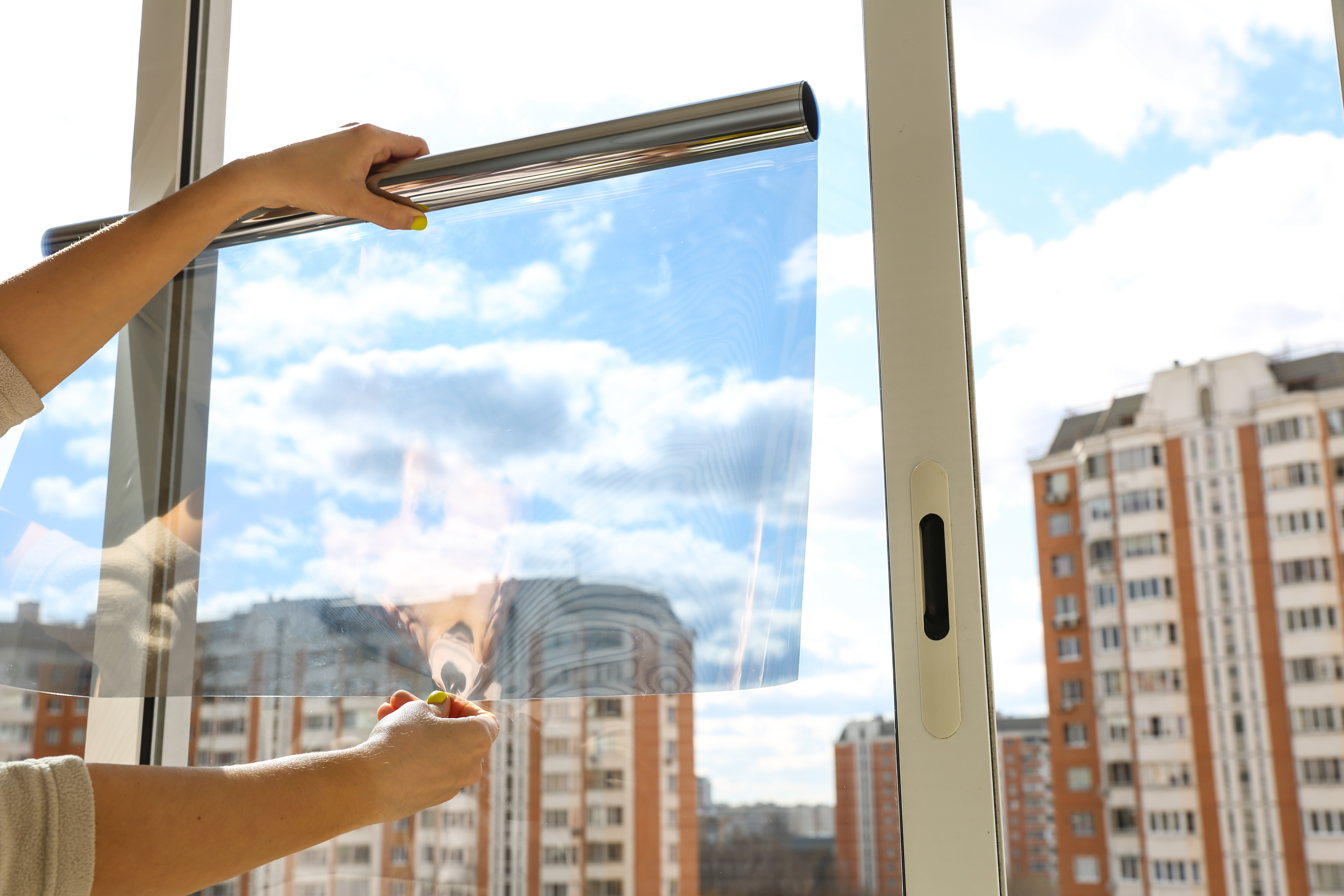
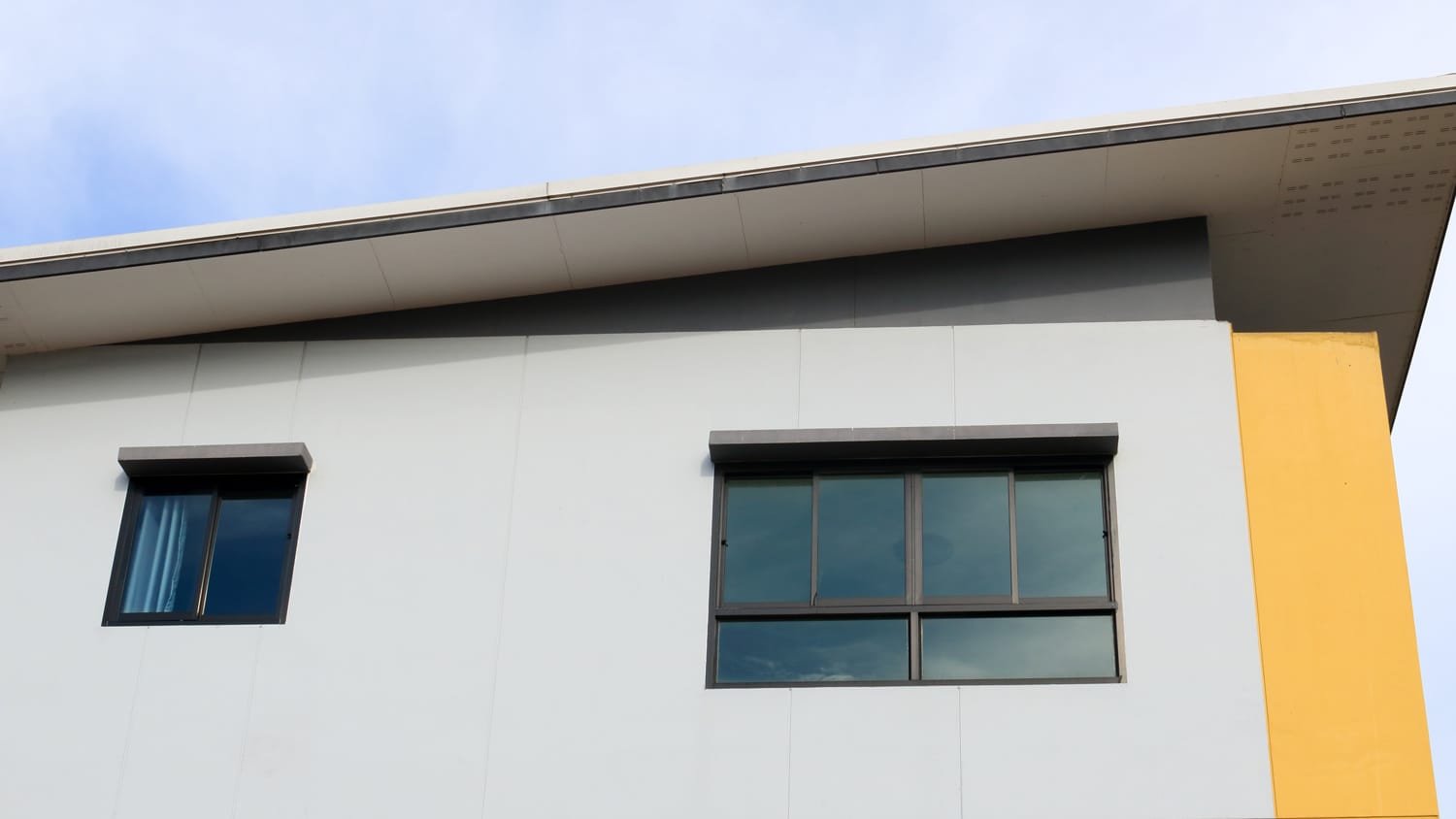
The visibility through tinted house windows depends on the lighting. During the day, when it is brighter outside, privacy film prevents people from seeing into your home. However, this effect reverses at night. If you have lights on inside, it becomes brighter indoors than outdoors, allowing people to see inside. To optimize privacy, you can select from various shades of film, ranging from lighter to darker, which affects how much is visible from the outside.
In many cases, window tinting will boost your home value. If you’re selling your home, especially in a warmer climate, buyers are very likely to see immense value in window tinting, which improves the home’s energy efficiency and helps make the living space more comfortable. Buyers may also recognize the privacy and security improvements offered by window tinting, which could lead to them paying more for your home.
Your homeowners insurance provider may decrease your premium if you improve the security of your home with window security film. You can contact your insurer to determine whether there will be a change in cost after applying this addition. If there is a decrease in your homeowners insurance premium or deductible, it will likely only be available if your window film is installed by a professional window film installer.
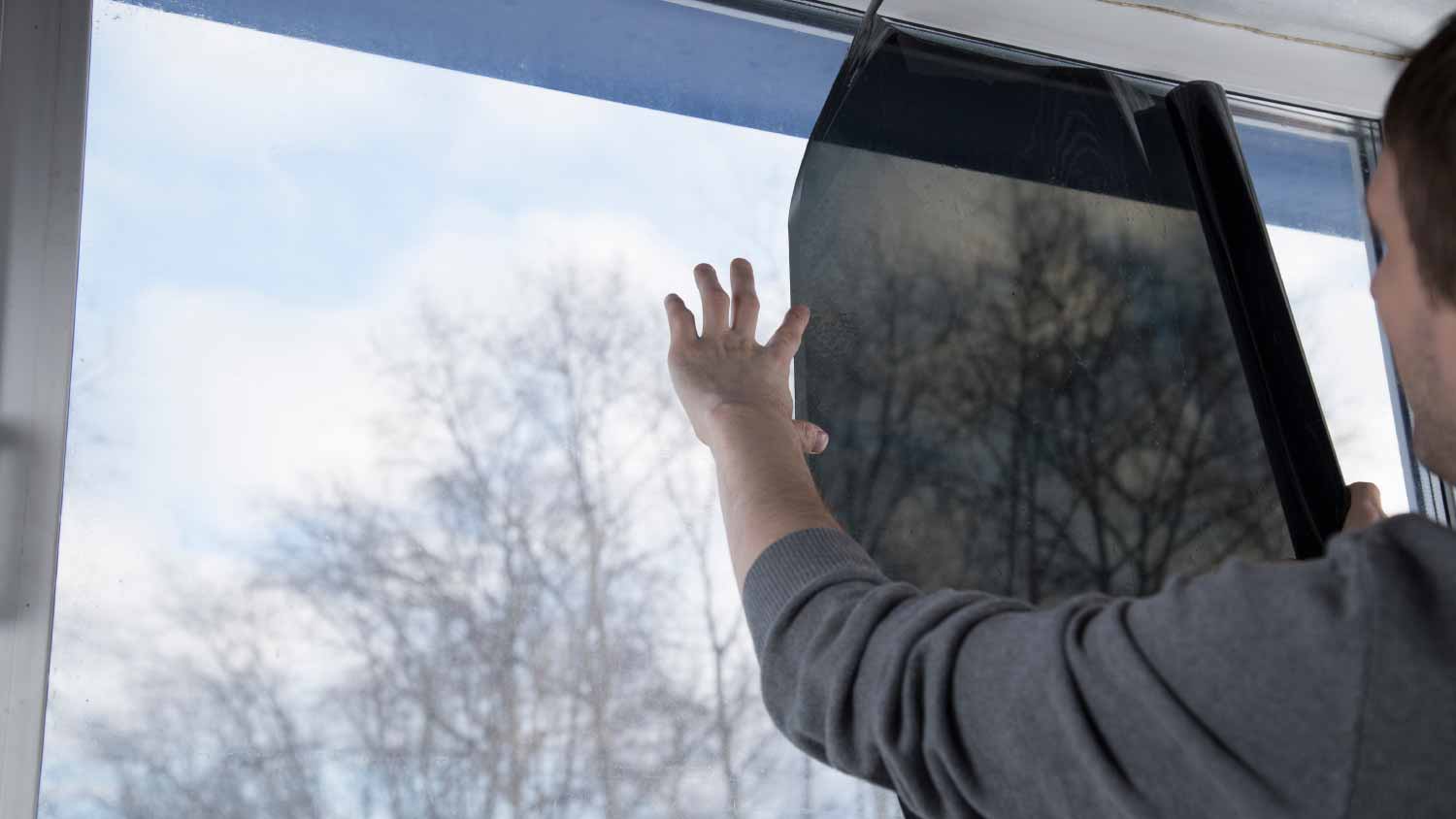
If your window film doesn’t come with an installation kit and its own application solution, you can make your own—but don’t use soap! Instead, use 1 teaspoon of baby shampoo mixed with a gallon of bottled water. Make sure the bucket in which you mix this solution is completely clean.
The most popular tint percentage for home windows is 35%. Generally, most homeowners choose a visible light transmission (VLT) between 50% and 35%, where lower numbers mean less sunlight enters the home. A 35% tint blocks over half the incoming light while still allowing plenty of natural light, which can improve energy efficiency and comfort. If privacy is a primary concern, you can opt for a tint of 50% or lower to make it more difficult for people to see inside. However, keep in mind that very dark, thick tints may offer fewer energy-efficiency benefits.
Unlike cars, there are no laws regulating window tint percentages on homes, so you can choose what you think is best. It is often a good idea to hire a professional, as they can show you samples of how different tint levels will look in your specific property, helping you make the right choice.
The Wall, SD homeowners’ guide to window tinting services
From average costs to expert advice, get all the answers you need to get your job done.
Tinting your home’s windows can add privacy, increase energy efficiency, and block damaging UV rays. Find out who tints home windows so you can hire the best.