Woehl Welding Services, LLC
Gas Piping
Serving Wagner, SD and surrounding areas
In business since 2018
Free estimates
Offers commercial services
"He is a hard worker and does quality work."
Recommended by100%of homeowners

Serving Wagner, SD and surrounding areas
In business since 2018
Free estimates
Offers commercial services
"He is a hard worker and does quality work."
Serving Wagner, SD and surrounding areas
In business since 2016
Free estimates
"The business saw and noticed the damage gutted out half the bathroom and replaced the damaged floor and then replaced the tub and shower. They blended all new work done perfectly into anything that wasnt replaced."
Serving Wagner, SD and surrounding areas
In business since 1984
Free estimates
Credit card accepted
We take great pride in our experience, expertise, quality, and customer service that we provide to meet the consumer's needs. It is our mission to provide excellent workmanship and complete customer satisfaction, from the start to the completion of a project. In order to understand the needs and expectations of our customers, we take great care to work and communicate with every customer in a professional manner. Our reputation is based on service, safety, and quality, regardless of how large or small the job.
From average costs to expert advice, get all the answers you need to get your job done.

Whether it's time for pipe replacement or to hook up the range of your dreams, gas line installation cost is an important line in your budget. Let's take a look.

This guide shares information about the cost to remove a gas fireplace, including the average price to additionally remove the breast, stack, and chimney flue as well as which experts will be needed to complete the project.
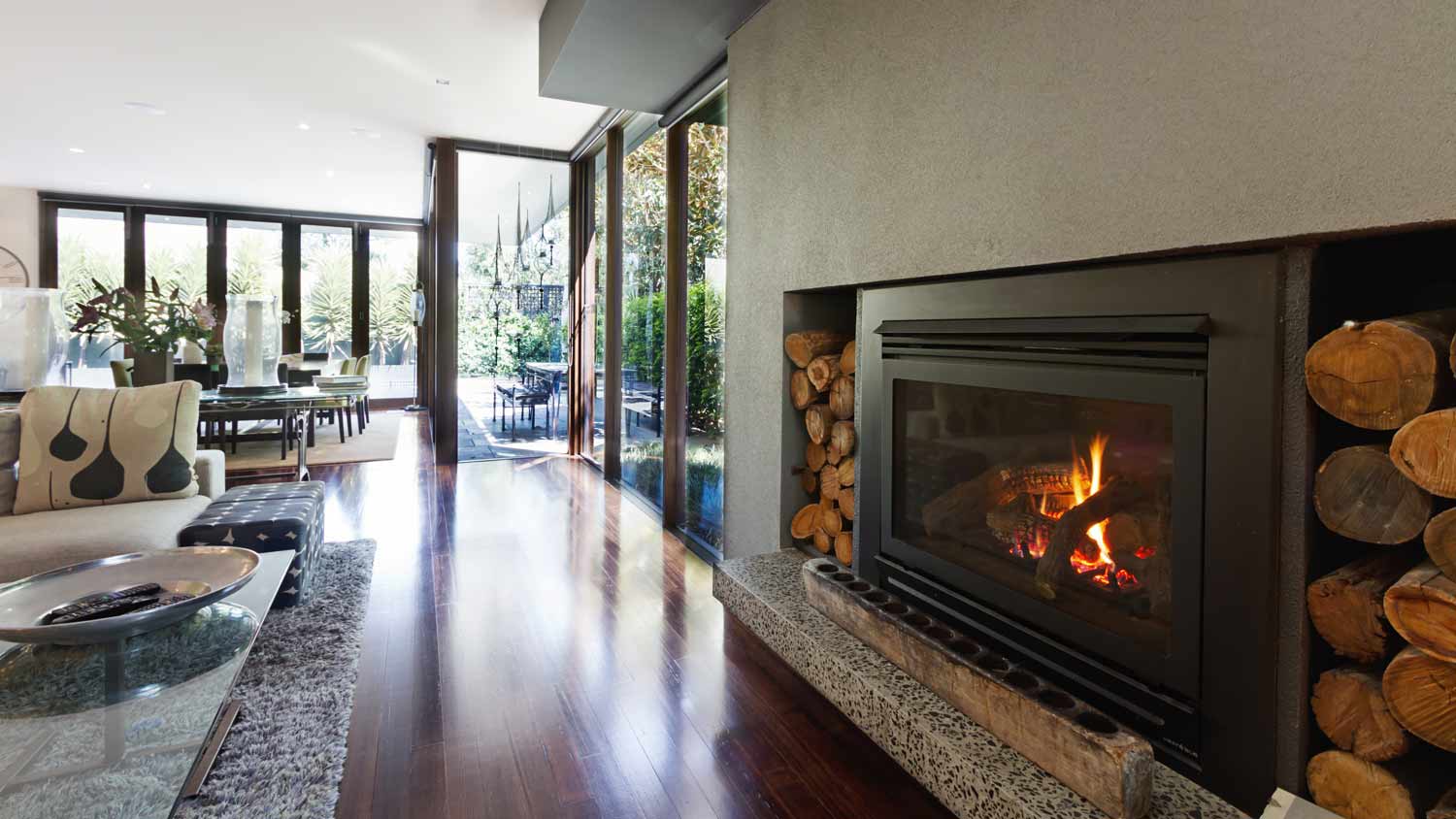
With a gas fireplace, it’s important to stay up-to-date on your inspections. Learn more about how much gas fireplace inspections cost before you book one.

Ventless gas logs serve the same purpose as vented gas logs. But that doesn’t mean they’re interchangeable. Find out more on whether you can use ventless gas logs in a vented fireplace or not using this informational guide.
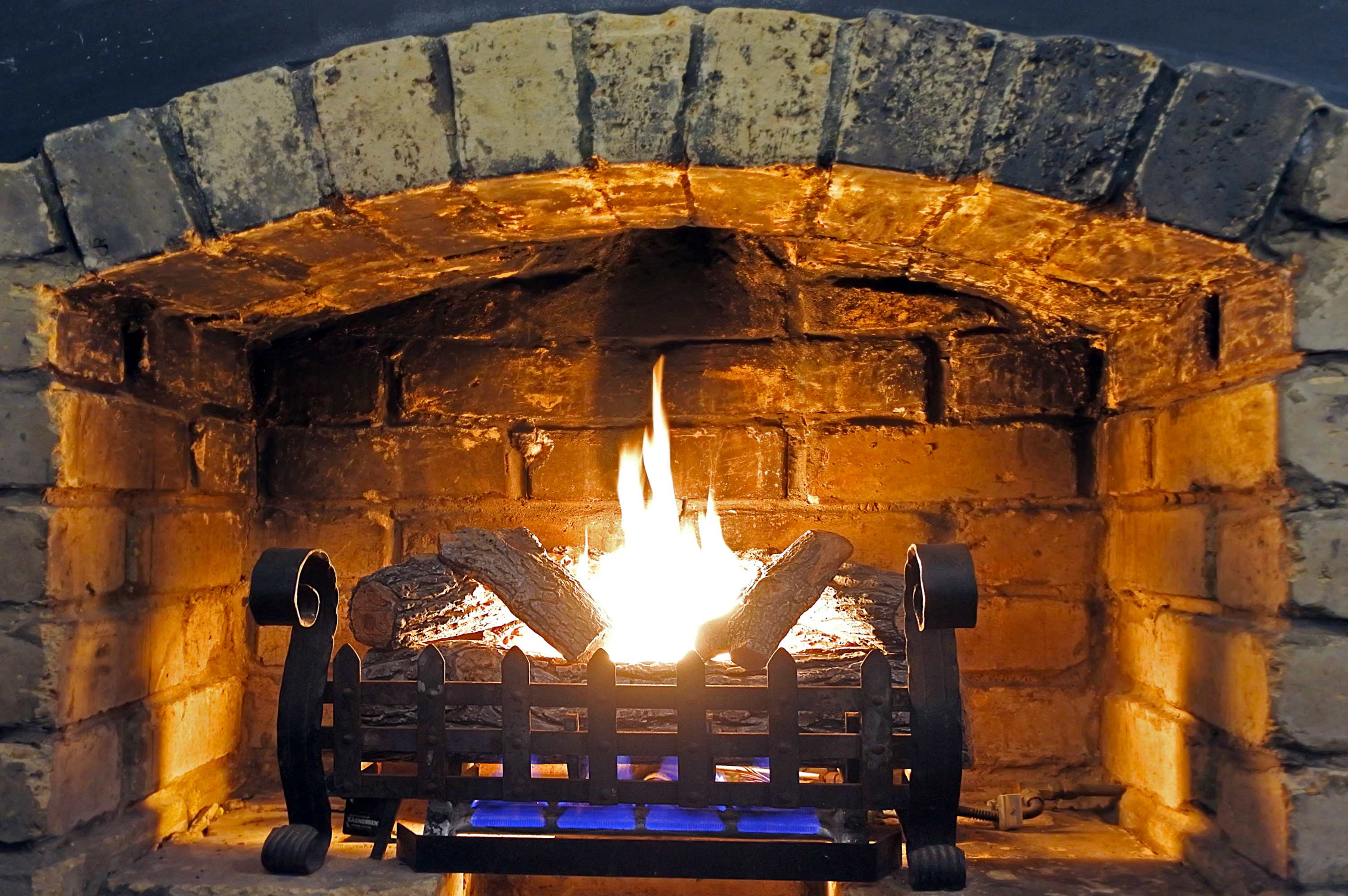
When comparing vented versus ventless gas logs, vented logs are better for ambiance, while ventless gas logs are easier to install and heat a room efficiently.
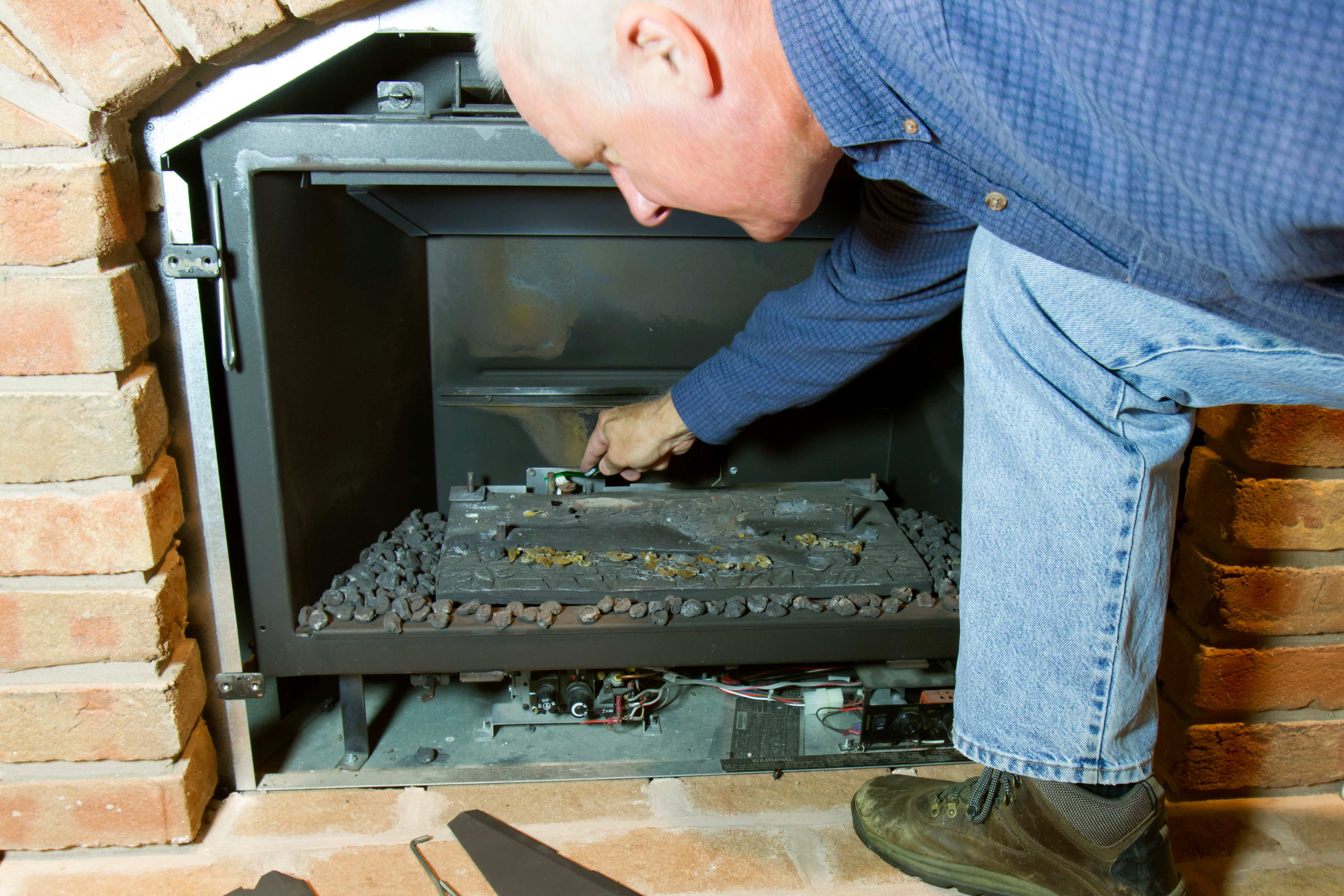
Charlotte-area business says homeowners should consider the look, heat, efficiency in deciding to convert to gas logs.