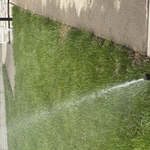
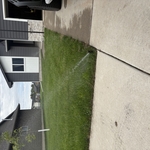
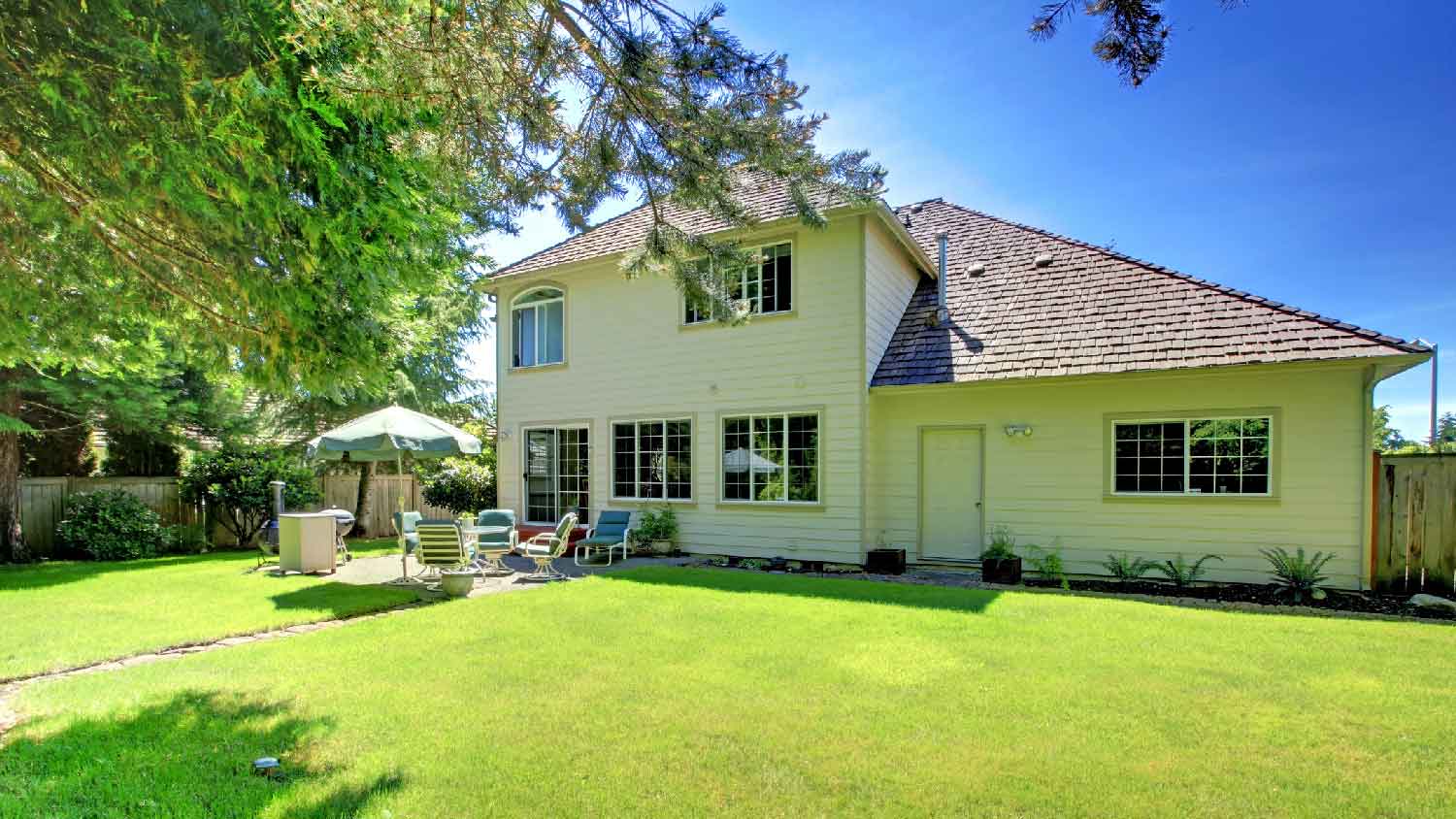
"I think they treated the wrong lawn. The note they sent me via text message referenced trees and shrubs in my yard, I have none. They also did not leave a yard marker showing they had been there. Otherwise, this would have been a 5 star review."
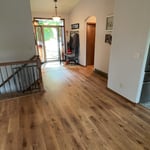
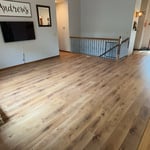
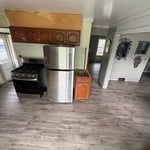
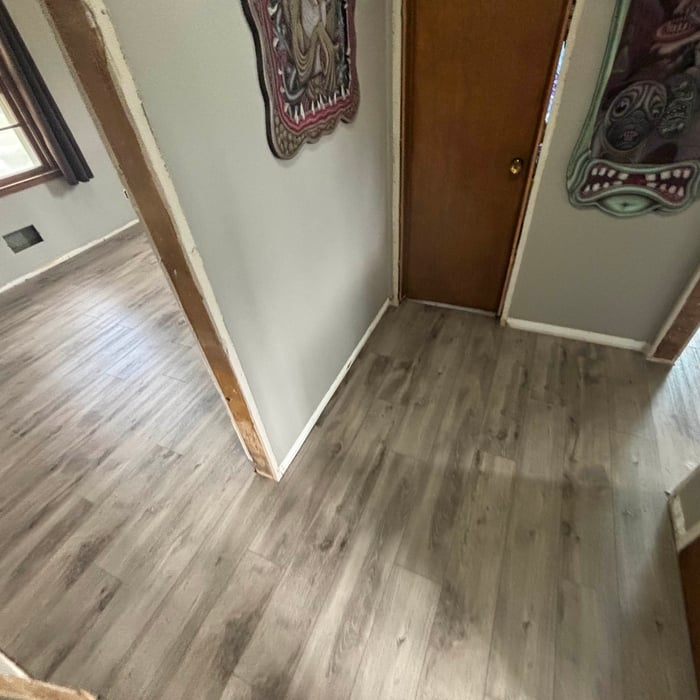
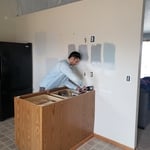
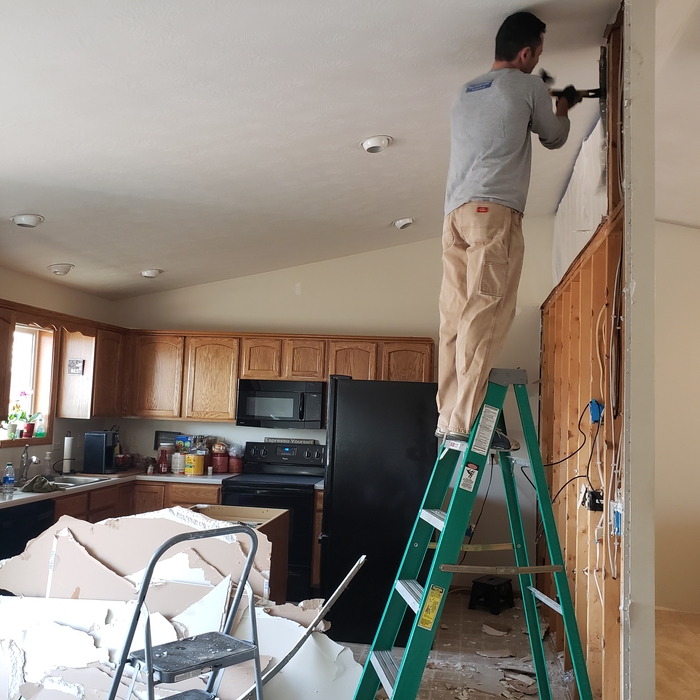
Spent 20 years in the construction industry as well as many years in the retail industry building and assembly anything from simple side tables to complex entertainment systems carry all the skills to have equipment to handle finish work as well as Sheetrock repairs and painting also specialize in lawn irrigation systems from install to repair to maintenance and winter blow out
Hi my names Henry Niezwaag with B&N Outdoor Services we are now taking jobs for most outdoor jobs. Give us a call and we will come and give a free quote. 605-670-6188
"We had talked about removing 2 of the bushes completely and cutting the others back but somewhere in the conversation it was mixed around, butit looks good the way it was done and all the debris was hauled away. They left my lawn looking.very good,great job!"
"Work was done very well. Was especially please with the care not to damage other property and yard structures. Very pleasant and easy to work with. Reasonable price with no hidden add-ons. Cleaned up after work was completed."
"They where there when they said they would be. Very happy with how they completed their work and went above and beyond what was expected of them. Super pleased all and all. I would recommend them to anyone."
Branches, leaves, grass clippings, and landscaping debris are typically collected.
The time it takes for leaves to decompose can range from six months to three years. Key factors influencing the decomposition rate include water, sunlight, and heat, so local weather conditions play a significant role. Decomposition will take longer for thick, matted layers of leaves. To speed up the process, you can mulch the leaves, as smaller pieces break down faster. Spreading large piles into thinner layers to increase exposure to sunlight and water also helps accelerate decomposition.
Yes, it's perfectly safe and environmentally sound to mulch leaves with a lawn mower, provided that the layer of leaves isn't too thick and the leaves are dry and crispy. Too many wet leaves get sticky and will clog the mower. Thick layers of leaves can suffocate the lawn after the leaves have been mulched, so the layer should be no more than six inches thick.
The growth of tall fescue grass often causes clumps of grass in your lawn. Avoid pulling up the clumps, as it won’t effectively remove them. Instead, dig out clumps and their roots when you notice them early in the growing season. Herbicides can also treat grass clumps, but they can also affect other plants you might not want to kill, so use them sparingly and always follow manufacturer instructions.
If composting feels too complicated, mulching is an effective alternative. While composting focuses on breaking down yard waste to feed the soil, mulching uses that same organic material as a protective top layer. It's a quick way to get value from leaves, grass clippings, and other yard debris without the time or effort composting requires.
The Viborg, SD homeowners’ guide to lawn services
From average costs to expert advice, get all the answers you need to get your job done.
Discover average lawn aeration cost, key price factors, and tips to save. Get a clear estimate for your yard and learn how to choose between DIY and hiring a pro.
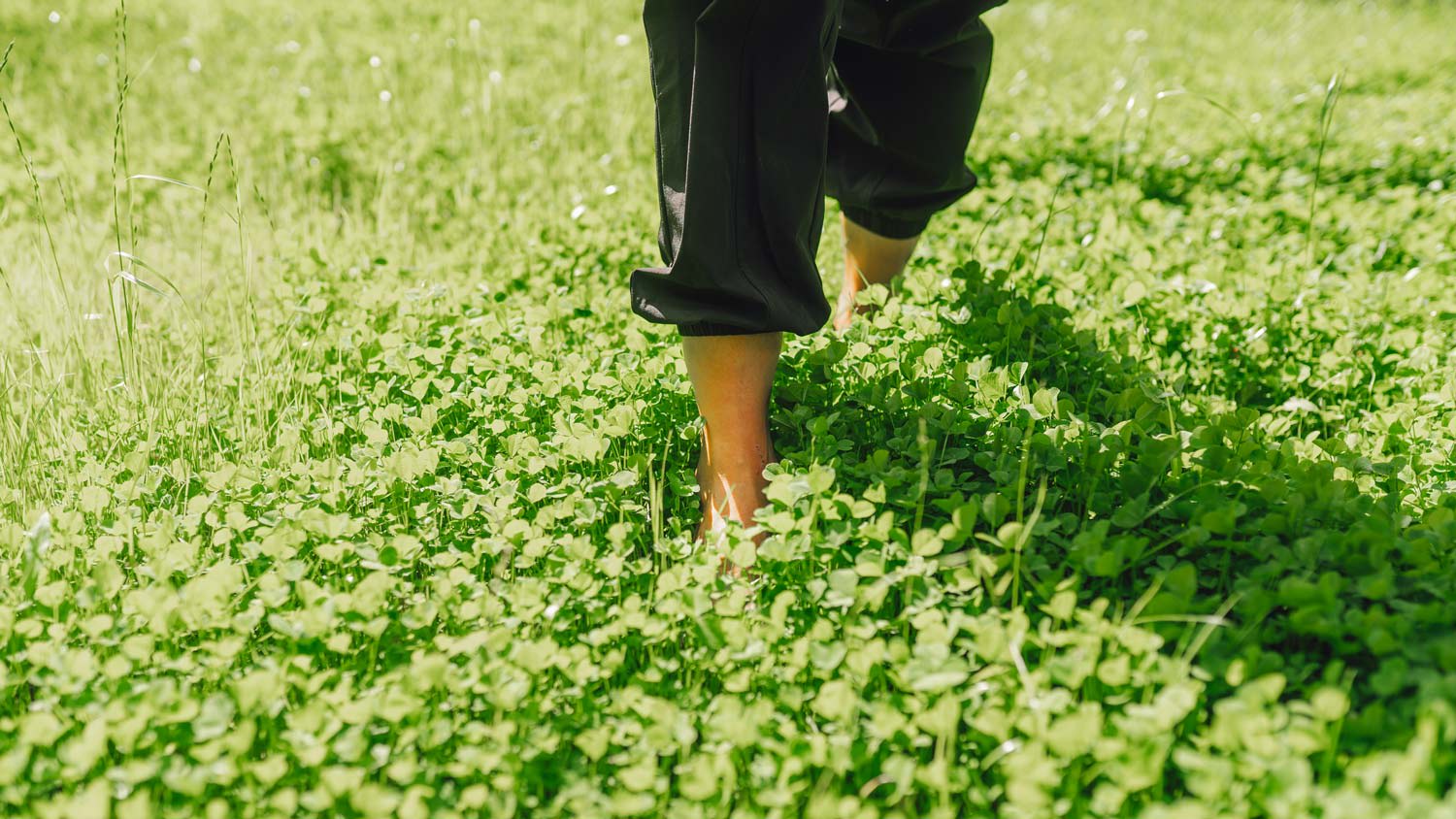
Of all the increasingly popular grass alternatives, clover is edging out the competition. Get to know the top clover lawn pros and cons and whether this option is right for you.