



Top-rated deck repair pros.

Get matched with top deck repair pros in Tripp, SD

Enter your zip and get matched with up to 5 pros

Need a pro for your deck repair project in Tripp, SD?

Select your specific project to find the pro for you.

Find Deck repair pros in Tripp

Avatar for JWM Construction LLC
JWM Construction LLC
5.0(
5
)

Serving Tripp, SD and surrounding areas

In business since 2024

Free estimates

Emergency services offered

"Jesse was a delight to work with. He’s professional and he does what you want him to do. He arrives on time. He cleans as he goes. He’s meticulous and makes sure it’s done right the first time. I would recommend him to all of my friends and family."
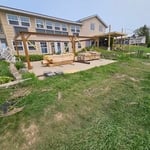
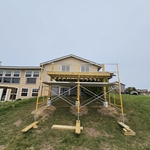
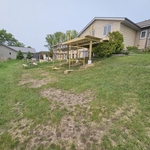
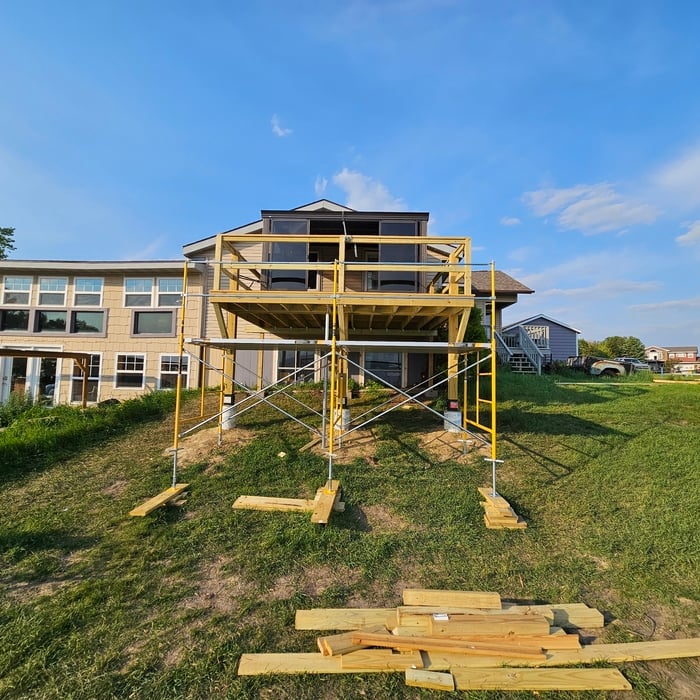
New deck build
New deck build
New deck build
New deck build
New deck build

+21

Response time2 days
Showing 1-10 of 15
Deck Repair questions, answered by experts

Rot loves moisture, so deck rot typically impacts the parts of a board that stay wet. This includes the underside of boards, in addition to support posts and joists. However, any part of a board can rot, given the right conditions. 

PVC decking can get slippery when wet because it’s made from plastic. However, composite and wood decking can also be slippery when wet. It’s best to wear shoes with grippy soles when walking on a wet deck, no matter the material, and to be extra cautious not to slip and fall down.

Before installing a deck, you must build a base for the deck to rest upon, often made of compacted soil or gravel. While gravel is an optional material, it helps with drainage. Some contractors also recommend installing a weed control membrane, which helps provide a solid foundation for the frame. In the case of an elevated deck, a pro will often lay down a concrete slab as a foundation. 

The overhang, or nosing, of deck steps is another area that will be covered in building code requirements. The noses on your deck steps should have a minimum overhang of ¾ inch. For safety, usability, and code compliance, the nosing of deck steps should not extend past 1¼ inches.

A deck that isn’t attached to a house is called a floating or freestanding deck. These standalone decks are built near ground level, so they usually don’t need deck stairs. Some don’t even require permits. Generally speaking, building a floating deck is faster and more DIY-friendly than constructing one that’s connected to your home.

The Tripp, SD homeowners’ guide to deck repair services

From average costs to expert advice, get all the answers you need to get your job done.