



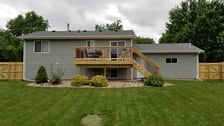


Top-rated deck maintenance specialists.

Get matched with top deck maintenance specialists in Renner, SD

Enter your zip and get matched with up to 5 pros

Need a pro for your deck maintenance project in Renner, SD?

Select your specific project to find the pro for you.

Find Deck maintenance specialists in Renner

Showing 1-10 of 34
Deck Maintenance questions, answered by experts

Always sand a deck before repainting so the wood is smooth and ready for paint. While you do not need to fully remove paint before repainting, sanding helps remove any areas with weather and sun damage. Sanding also helps remove chipped or flaking paint and opens the wood pores to improve paint adhesion.

Yes, you can build a deck over your outdoor HVAC unit, but you need to leave at least 5 feet of vertical clearance above the unit. If you don’t want your deck to be that high off the ground, you could build a floating deck in another part of your yard—again, as long as you leave at least 4 feet of horizontal space between the deck and your AC unit.

Composite decking requires a solid foundation or substructure for support. This base is typically a frame composed of posts, beams, joists, and footings. The frame can be built from various materials, such as composite, plastic, timber, or metal, depending on your budget, deck type, and environmental conditions. For maximum stability, a professional deck builder may recommend installing this frame on top of a solid concrete base. It is best to discuss the most suitable substructure design and materials for your specific project with a professional.

Unless you’re using a 2-in-1 formula or painting over an existing coat of paint, it pays to apply a coat of primer ahead of your new paint. Decks see a lot of footfall and exposure to extreme and sudden temperature changes and moisture levels. The primer promotes better paint adhesion, moisture repellency, and a smoother finish, which means you’ll often need fewer coats of paint. 

The proper height for a stair riser or deck step is between four and seven inches, with seven inches often considered the most comfortable. Building your stairs to this height ensures a strain-free step position and minimizes the risk of trip and fall injuries. For optimal safety and comfort, especially on deck stairs, a rise of around seven inches should be paired with a tread depth (or run) of at least 10 to 12 inches. While it is possible to design stairs with risers up to 12 inches, this height can be challenging for children, pets, or individuals with mobility issues. Always check with your local building codes, as they may mandate specific dimensions that differ from these general recommendations.

The Renner, SD homeowners’ guide to deck maintenance services

From average costs to expert advice, get all the answers you need to get your job done.