We come in on time and finish the job. We are certified Armstrong, Congolum, Mannington, Shaw Commercial, Miliken Commercial. We provide Custom Pattern Flooring as well. I am a member of the National Tile Council and National Hardwood Association. Please come visit our showroom in Rapid City.\nInquire about mileage charges for Distances traveled more than 25 miles from Rapid City.
We take great pride in our experience, expertise, quality, and customer service that we provide to meet the consumer's needs. It is our mission to provide excellent workmanship and complete customer satisfaction from start to completion of a project. In order to understand the needs and expectations of our customers, we take great care to work and communicate with every customer in a professional manner. Our reputation is based on service, safety, and quality, regardless of how large or small the job.\n
Carpet Installation questions, answered by experts
Professional installation ensures seamless fitting, extended carpet life, and compliance with workplace standards.
Carpet glue is very sticky, but it's not permanent. The glue usually lasts as long as a typical carpet installation, which is five to 15 years. For the best results, you should always use the right type of carpet glue for the area you're using it in. There are carpet glues for high-traffic areas, which are more high-quality and durable than others.
Carpet tiles come with a preexisting adhesive backing, which means installing them is as simple as peeling off the paper and sticking them down where they need to go. In other words, no. You won’t need to purchase any separate glue to get your carpet squares situated. It’s already built into the carpet tile itself.
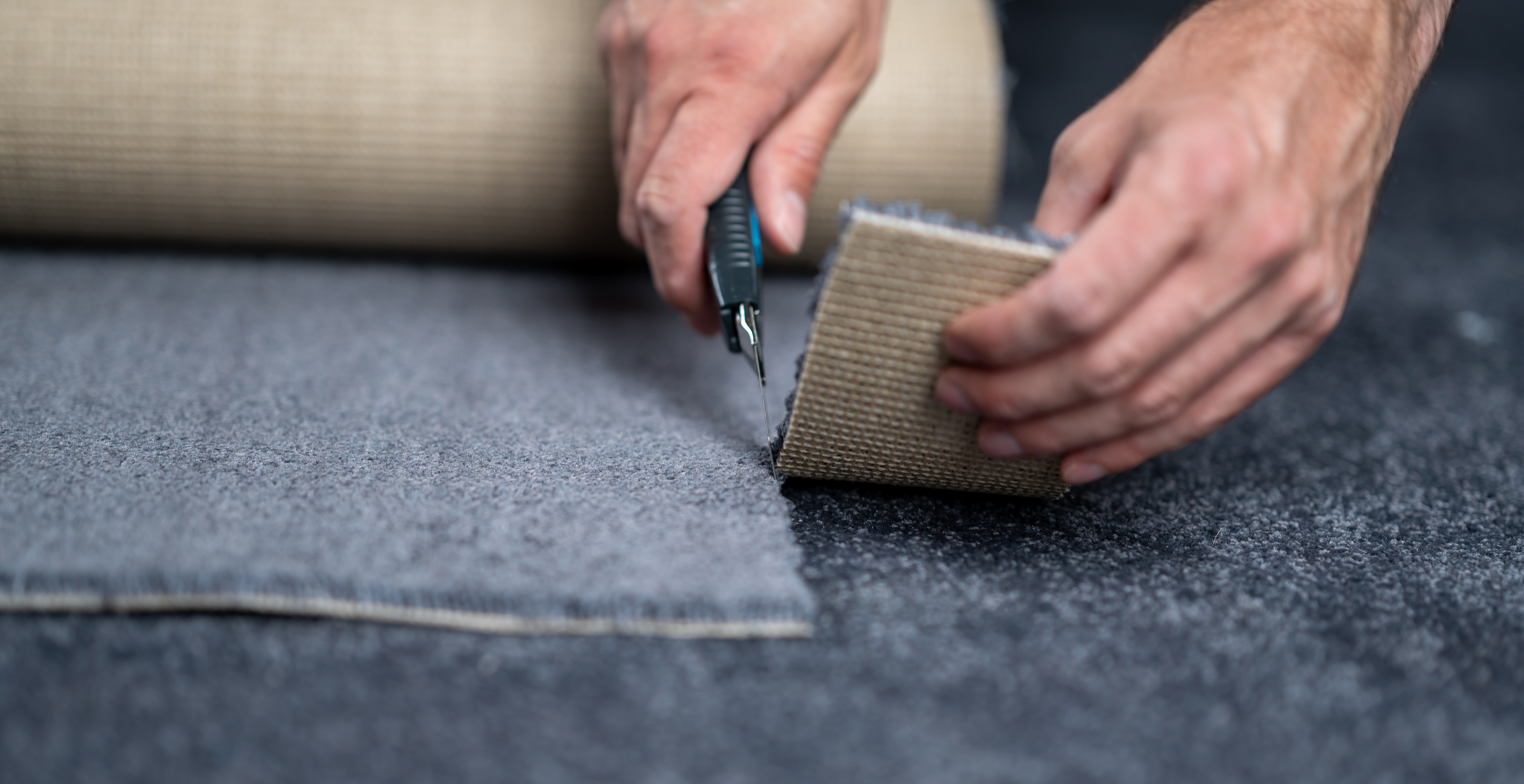
Carpet installation typically starts with removing the old flooring, preparing the subfloor, laying underpadding for cushioning, and securing the new carpet with tack strips, making precise cuts to fit room dimensions.
DIY installation is challenging; professionals ensure proper fitting, adhesive application, and long-term durability.
The Presho, SD homeowners’ guide to carpet installation
From average costs to expert advice, get all the answers you need to get your job done.
Not only are carpet tiles easier to install than carpet, but they’re often more affordable. So, how much does carpet tile installation cost? Let’s take a look.