Choosing between sod and seed depends on your budget, timeline, and maintenance preferences.
Sod:
Pros: Provides an instant, lush lawn and immediate curb appeal. It's more resistant to weeds and erosion, can be installed any time during the growing season, and offers a consistent appearance.
Cons: Has a higher upfront cost, typically $0.90 to $1.80 more per square foot than seed. It offers fewer grass varieties and must be installed immediately upon delivery.
Seed:
Pros: Less expensive upfront, making it a budget-friendly option. It offers a wider variety of grass types and is easier for a DIY installation.
Cons: Takes much longer to establish, potentially up to two years for a full lawn. It requires more maintenance, including regular weed control, and is more difficult to cultivate.
Ultimately, if you want a beautiful lawn quickly and have a larger budget, sod is an excellent choice. If you are patient, want to save money, and prefer a wider selection of grass types, seeding may be the better option.
The best time of year for power seeding depends on your local climate. The soil should be warm, but the air should be cool. If the weather gets too hot after you grow new grass seed, it can die off easily. The best time for power seeding warm-season grasses is late spring to summer, and the best time for power seeding cool-season grasses is in the fall.
When stored under ideal conditions, grass seed lasts anywhere from 10 to 18 months from the testing date without any real decrease in the germination rate. You can still use the seeds after this timeframe, but the germination rates drop 10% to 20% each year.
If you’re just embarking on an overseeding project, using seeds that have been in storage for a few years isn’t too big of a deal. However, if you’re planning on redoing your entire landscape, your best bet for a healthy, luscious lawn is to use new seeds.
Yes, it's common for lawns to look bare after dethatching. Dethatching brings soil to the surface to create a "bald" look on your lawn. While you may choose to patch or reseed your lawn if bare patches seem excessive, it's normal for a lawn to look bare after dethatching. With the layer of debris that was blocking water, nutrients, and air from reaching your grass now gone, your lawn is likely to grow better than ever.
Even the most shade-tolerant turf grass needs at least three or four hours of full sunlight or a good amount of partial sunlight throughout the day. You might want to look at other gardening options for full shade, like plants that can survive in full shade, hardscaping, or structural architecture, to still get that yard of your dreams without compromising on your landscaping design.
The Platte, SD homeowners’ guide to lawn irrigation services
From average costs to expert advice, get all the answers you need to get your job done.
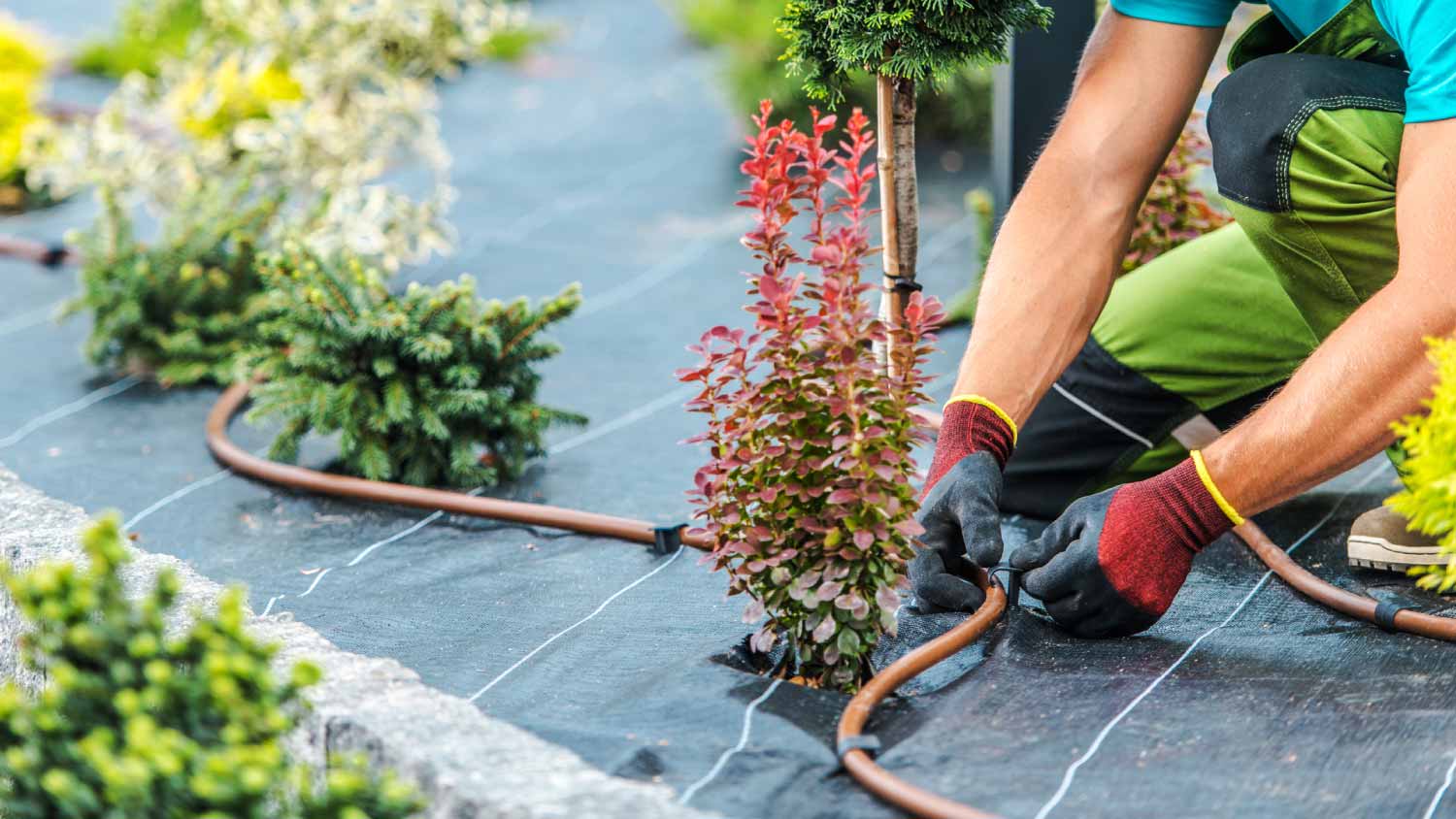
Need an effective solution for watering your garden? Here are four types of drip irrigation systems that can help you nurture your plants to perfection.
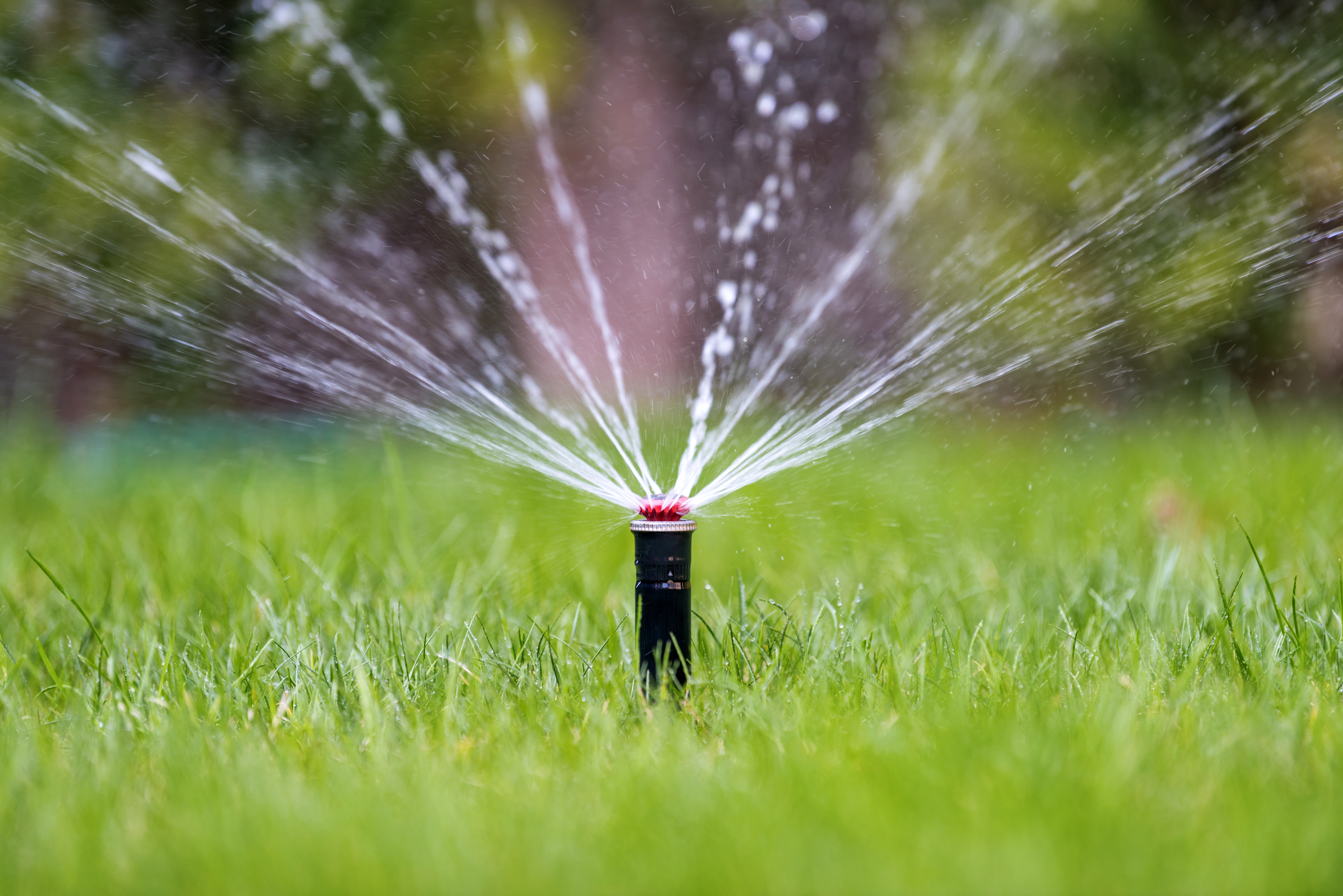
Can you keep your lawn healthy without a costly irrigation system? Absolutely. Learn the best way to water a lawn without a sprinkler system with this guide.