"We pay yearly but we have this is included with our rental property. They are pretty good on most things. We had a hot water heater replaced and they did an excellent job on that. They are very quick on their response. They dont come out here. It is all done on the internet. I just like the idea that one time service charge is so much better than trying to hiring someone to come in. It is more about convenience. It pays for itself."
We are a locally owned and operated company that values honesty and integrity in all aspects of our business. Our major focus is on the quality our work and producing outstanding results. We are committed to creating a level of value unmatched by any of our competitors. We look forward to building lasting relationships with our clients and guarantee your satisfaction!
No, boilers and water heaters are not interchangeable because they serve different primary functions. Boilers are used for central heating systems, providing hot water or steam to heat your home. In contrast, a water heater's purpose is to supply hot water for daily household use, such as for faucets and showers. A water heater alone cannot supply the warm water or steam needed for a central heating system.
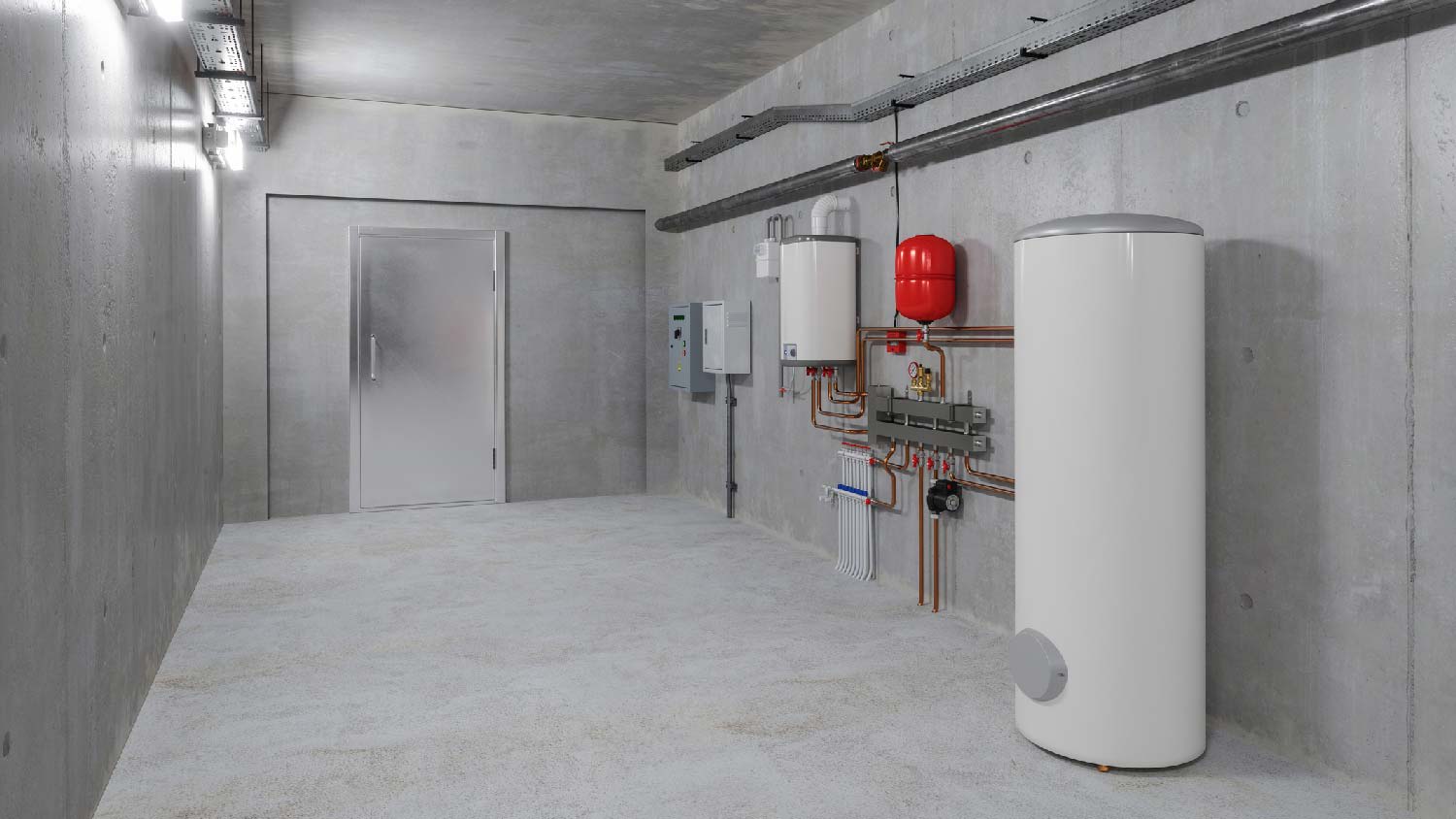
While they are not interchangeable, it is common to have both a boiler and a water heater. In fact, a conventional boiler often works best when a water heater system is already in place. The two systems can be combined to provide both heating and hot water, either by pairing a boiler with an indirect water heater or by installing a premade combination boiler-water heater unit. For home heating, some homeowners may also opt for a furnace instead of a boiler.
Often, the first issue you might encounter is a lack or loss of power—this could be caused by a tripped switch or a failed heating element. If your hot water is not producing enough power and its size is not the issue, you might need to replace one of its heating elements. A leaking water heater could be caused by tank erosion.
Water expands when heated and also when freezing. When water is heated, it expands by around 4%. For a full water heater, this is one of the main reasons malfunctions occur—the hot water has nowhere else to go but out. Due to the constant expansion and reduction in volume, it’s recommended (required in most places) that an expansion tank be installed.
The chemicals in a water softener can wear down the anode rod in the heater and shorten its life span. However, for most people, the benefits of the softener outweigh this potential drawback.
Have a plumber inspect the anode rod annually for damage, as replacing the anode rod is far less expensive than replacing the entire water heater.
You can use multiple tankless water heaters, but that doesn’t mean you should. Adding multiple tankless heaters adds considerable cost to your home in both parts and installation costs. Also, you’re adding many more points of failure in the system, making plumbing issues harder to diagnose. More heaters mean more maintenance, and insurers may want a word regarding the increased risk of water damage. A single, larger unit makes more sense in most situations.
The Pine Ridge, SD homeowners’ guide to water heater services
From average costs to expert advice, get all the answers you need to get your job done.
Looking to replace or upgrade your water heater? Use this water heater replacement cost guide to see what the work will cost and what factors affect your total.
A water heater flush costs $160 on average but can vary based on the unit size, type, labor, location, and more. Keep reading to learn how much you could pay.
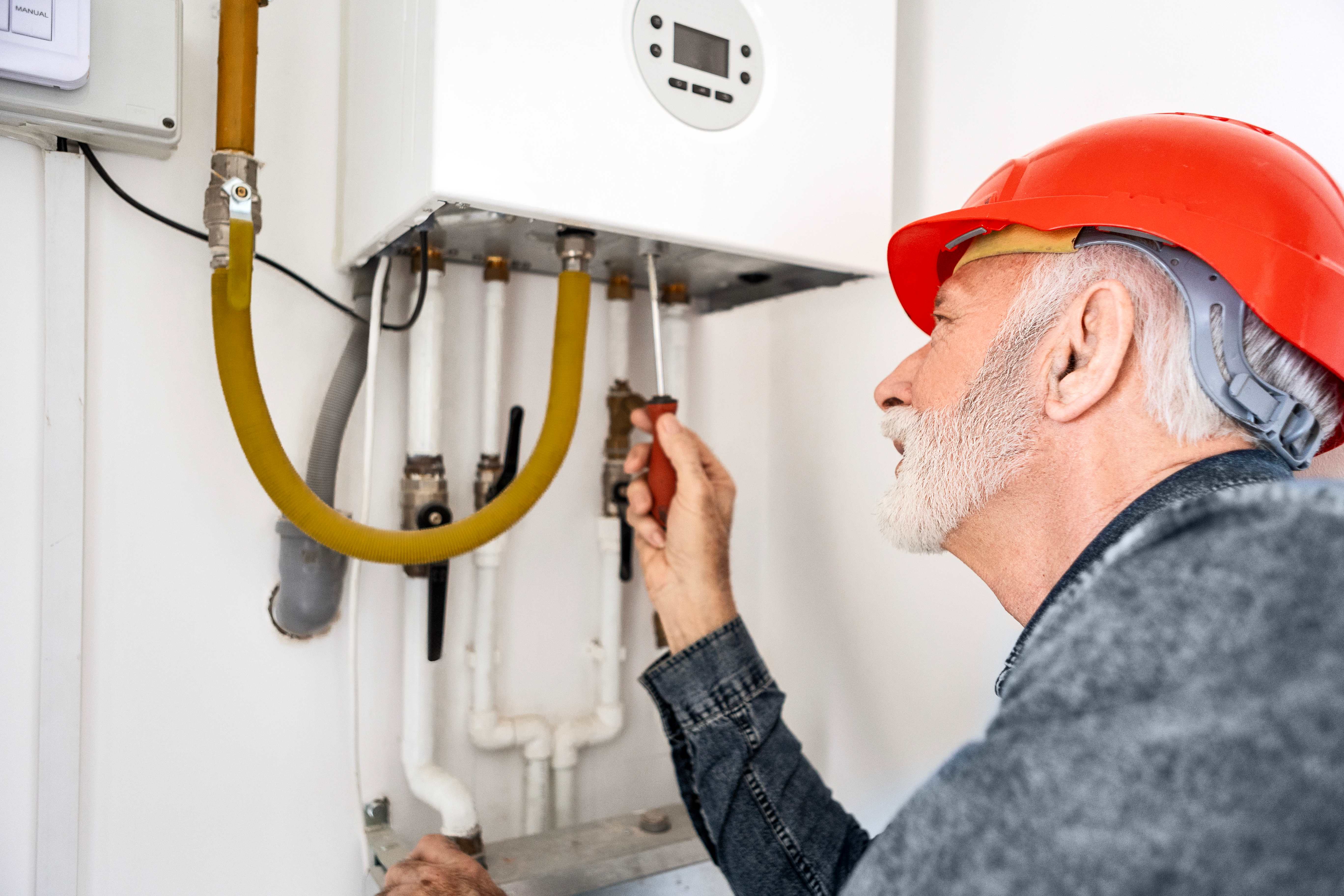
Who can install a water heater for you? Look to hire a water heater installation pro or a licensed plumber for this job because of the challenges involved.
The average lifespan of water heaters is 6 to 15 years for conventional models and up to 20 for tankless ones, but it can be less if they are not properly maintained.