Top-rated lawn irrigation specialists.

Best lawn irrigation specialists near Pine Ridge, SD

Enter your zip and get matched with up to 5 pros

Need a pro for your lawn irrigation project in Pine Ridge, SD?

Select your specific project to find the pro for you.

Top-Rated Lawn irrigation specialists in Pine Ridge - Updated Nov 2026

Extra Yard
New to Angi
Sprinkler System for Lawn and Garden - Winterize or Activate

Serving Pine Ridge, SD and surrounding areas

In business since 2011

Free estimates

With over 10 years of experience serving the Kansas City Metro area, Extra Yard is your solution for all your Alarm system and Fire Protection needs. We take great pride in our extreme professionalism, timeliness and superior customer service on every job. We make sure to develop a lasting relationship so that the next time service is needed there will be no question on who to call. Satisfaction guaranteed!

Lawn Irrigation FAQs, answered by experts

Mowing is one of the most important ways to maintain your lawn because it encourages grass to grow horizontally, creating a fuller, more uniform yard. On top of mowing your lawn, you’ll want to routinely fertilize your lawn, water it regularly, and take care of pests the moment they arise. 

First, you should figure out whether you have dormant or dead grass. Dead grass won’t come back, so you’ll have to reseed if you’re hoping for a lush lawn. However, grass can go dormant if it hasn’t received enough water or if temperatures are too cold. If it’s still decently warm outside, you can revive dormant grass by watering it. But if it’s mid-January in New England, for example, you’ll need to wait until the weather warms up again. If you want to keep grass green in winter, consider a grass like Kentucky bluegrass, which maintains its color year-round.

Yes, you should water your grass after seeding it. During the first couple of weeks after laying the seed, you should water the lawn two or three times per day for 10 to 15 minutes each session. After that, you can switch to 20- or 30-minute watering sessions every other day.

The best time to plant grass seed depends on your local climate and whether you have cool-season or warm-season grass.

For cool-season grasses (like tall fescue), the ideal time to seed is late summer or early fall (typically August and September). During this period, the soil is still warm from the summer, but the air is cooler, creating optimal conditions for germination and root establishment before winter. There is also less competition from weeds. Spring is a secondary option, but cooler soil temperatures, the risk of a late frost, and less time for the grass to mature before summer heat can make it less successful.

For warm-season grasses (like St. Augustine), the best time to plant is from late spring through mid-summer (typically May and June), when temperatures are consistently between 75 and 90 degrees Fahrenheit.

In general, it is best to avoid seeding during winter or early spring, as cold soil and air can prevent seeds from germinating. For recommendations tailored to your specific grass type and climate, consider consulting a local lawn care professional.

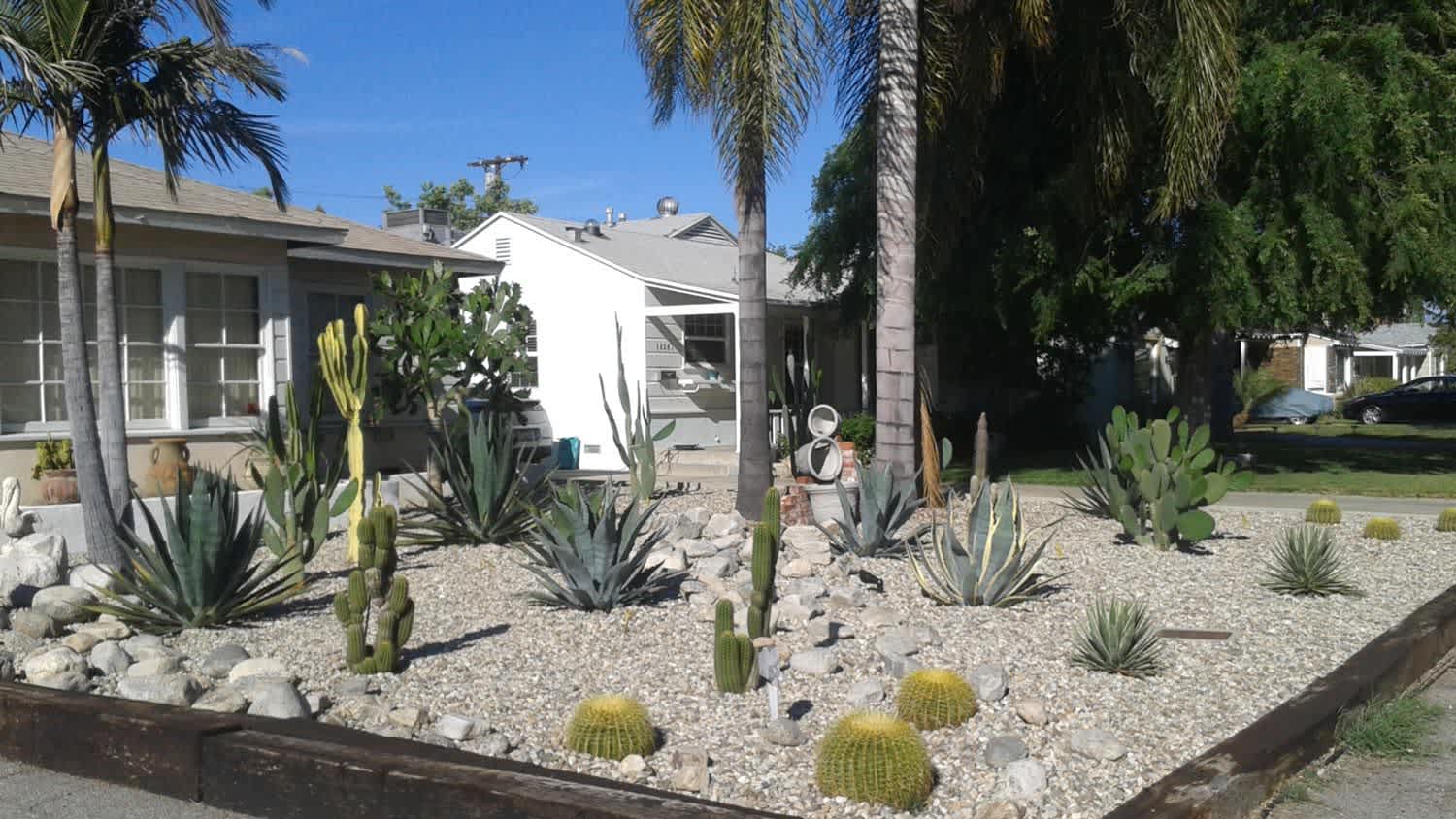
When stored under ideal conditions, grass seed lasts anywhere from 10 to 18 months from the testing date without any real decrease in the germination rate. You can still use the seeds after this timeframe, but the germination rates drop 10% to 20% each year. 

If you’re just embarking on an overseeding project, using seeds that have been in storage for a few years isn’t too big of a deal. However, if you’re planning on redoing your entire landscape, your best bet for a healthy, luscious lawn is to use new seeds.

The Pine Ridge, SD homeowners’ guide to lawn irrigation services

From average costs to expert advice, get all the answers you need to get your job done.