"I only use James when I need some work done to my house. He responds fast, gets the work done quicker than just about anyone else I've ever used and seems very concerned with leaving his customers happy."
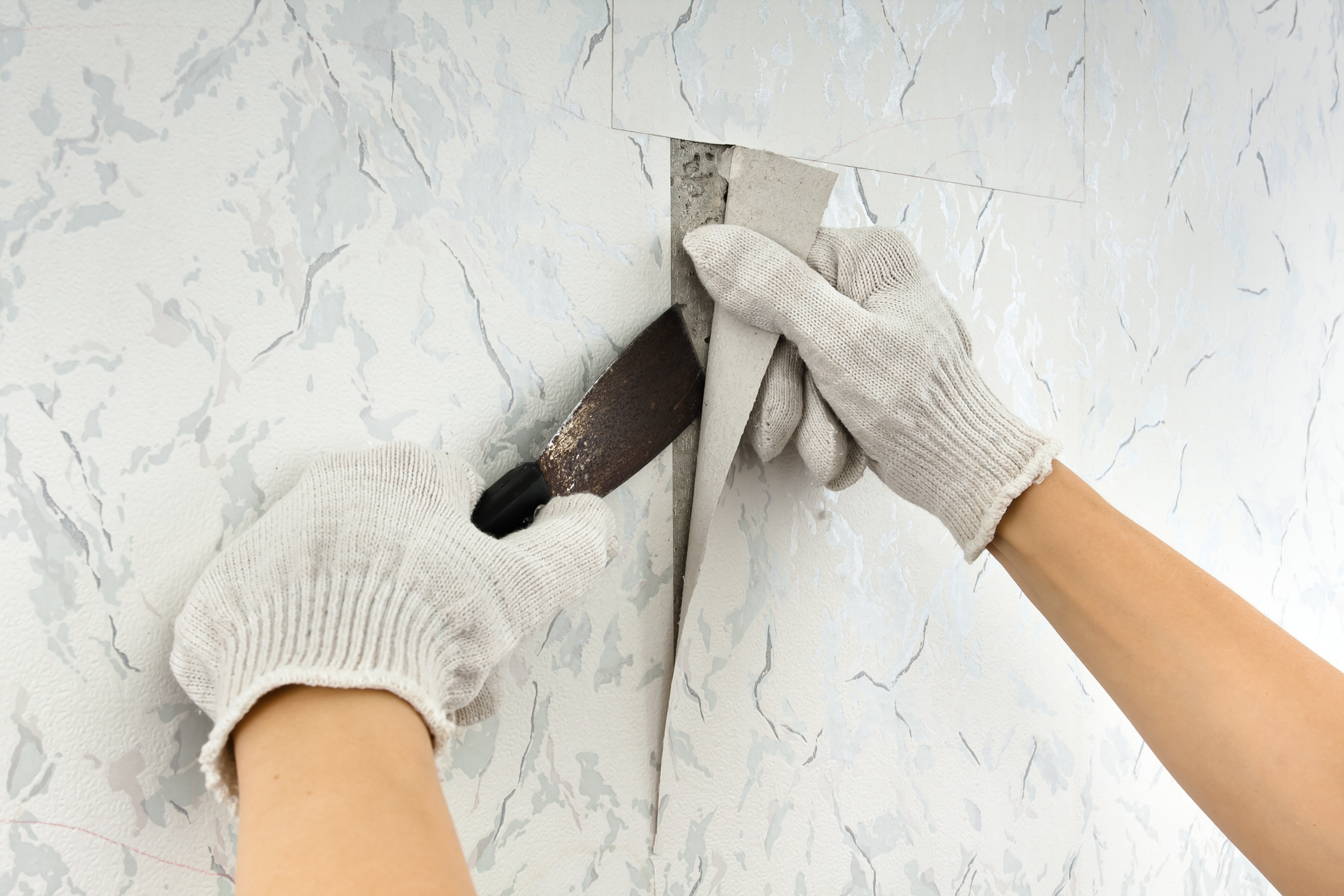
Removing wallpaper can be easy if you have a non-coated wallpaper, but most homeowners have vinyl-coated wallpaper, which is more durable but tears very easily during the removal process. This feature makes it challenging and time-consuming to remove most wallpaper. There are tools to speed up the process, like steamers, but, unfortunately, it’s easy to permanently damage your walls when using them. In most cases, it’s best to hire a professional wallpaper remover to get the job done quickly and without damaging your home.
Small amounts of wallpaper can be thrown away in your household trash. If you’re removing a whole home’s worth of wallpaper, you may need to contact a waste removal company, rent a dumpster, or schedule a special pick-up with your municipality’s waste removal service. Wallpaper isn’t recyclable, so no matter which method you choose to dispose of it, make sure it doesn’t get mixed in with the recycling.
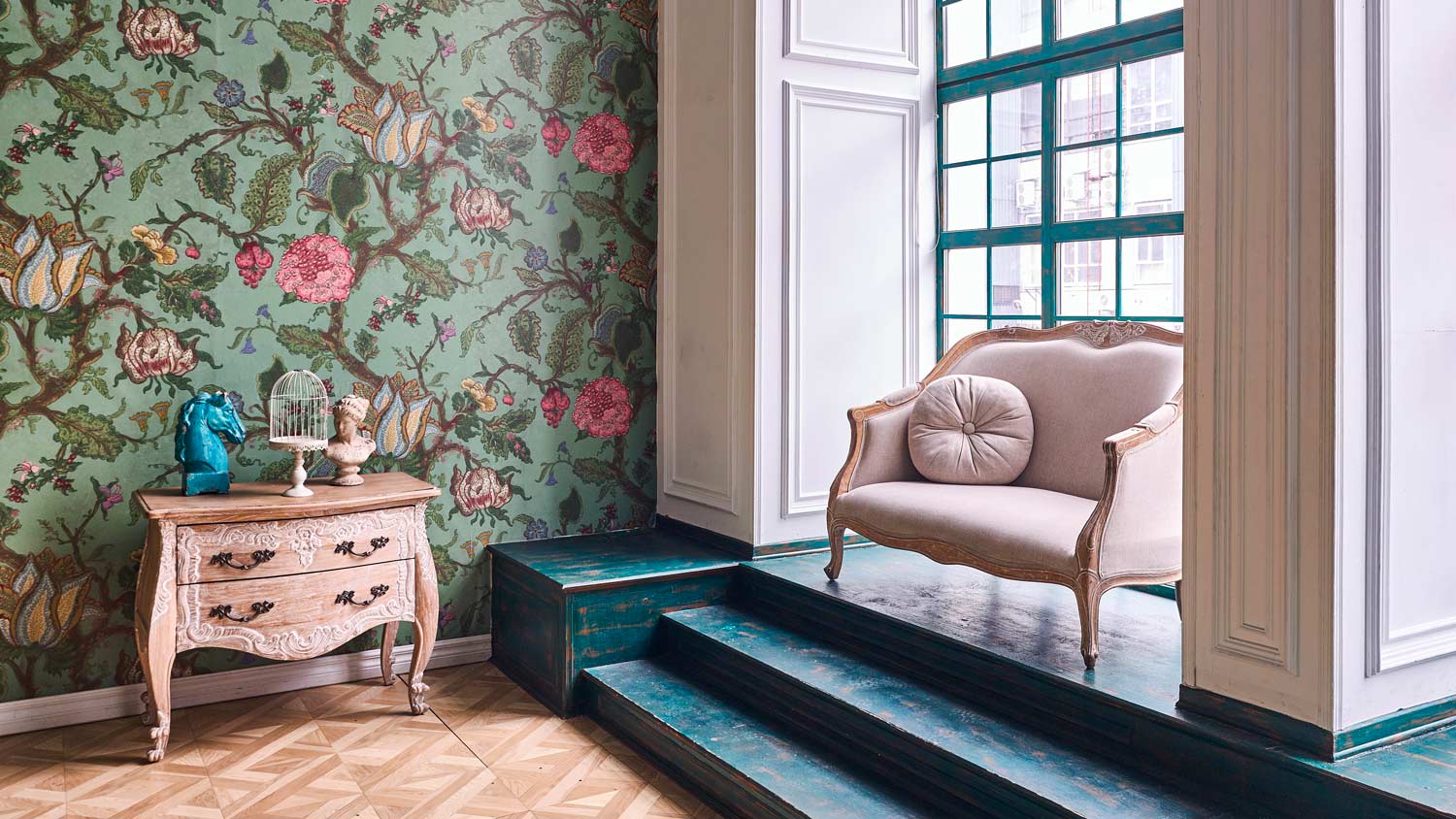
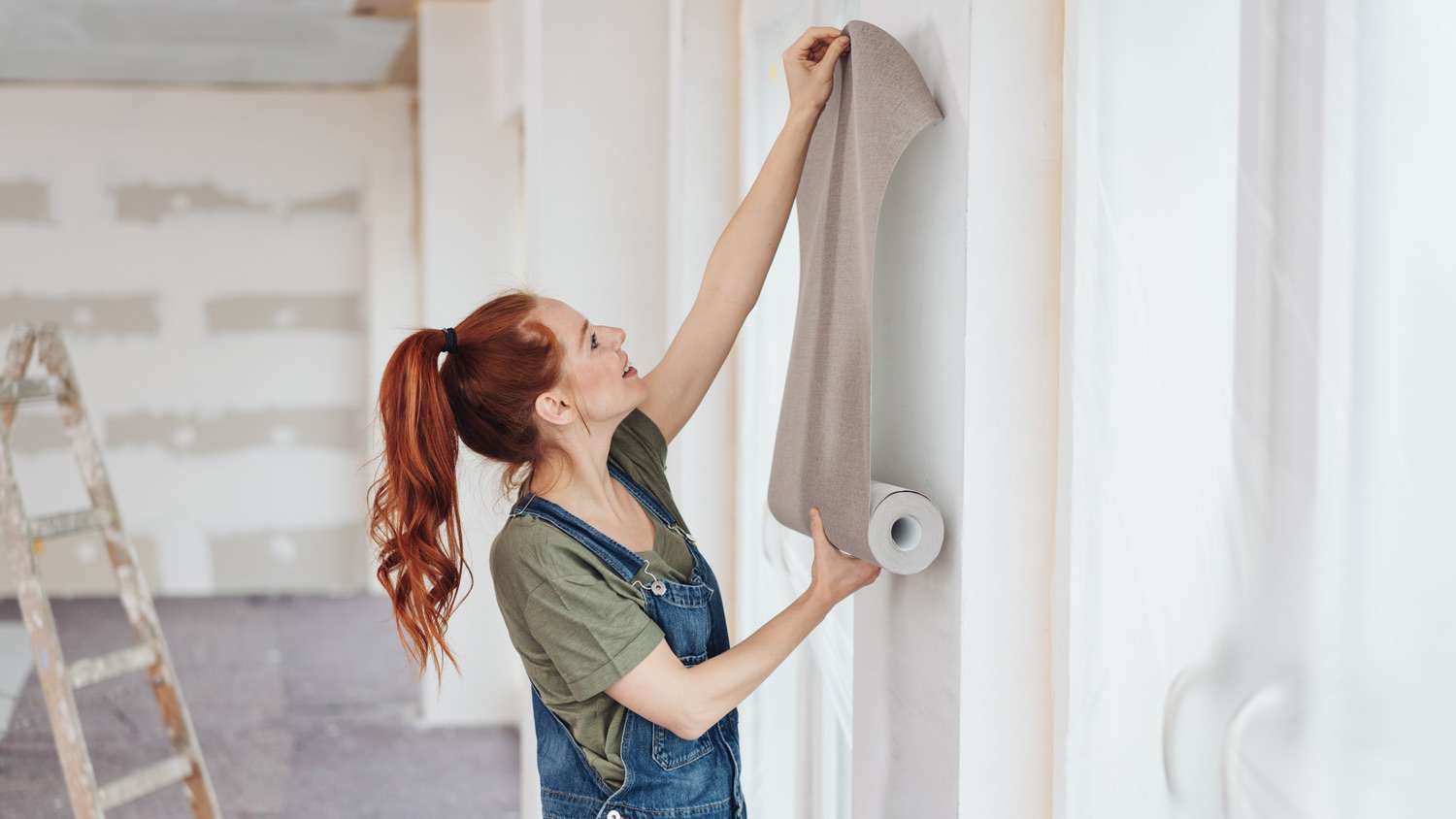
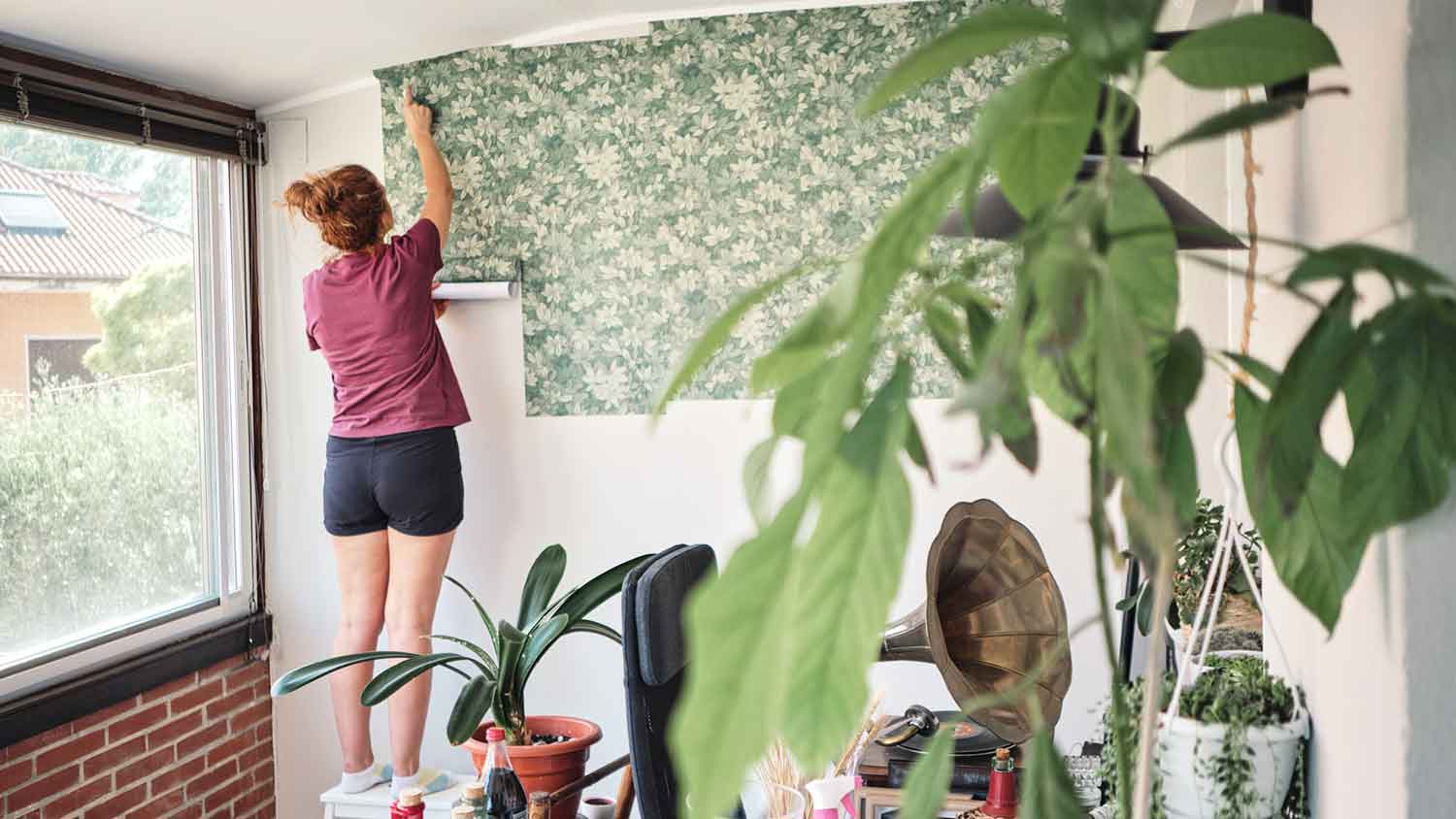
The pros of wallpaper include its durability and longer lifespan than paint, as well as its versatility. The durability can translate to lower long-term costs for upkeep and replacement, and the versatility means you have more options for customizing rooms in your home. Some downsides include that it’s difficult to remove, it’s not ideal for rooms or areas exposed to high moisture content or sun exposure, and it’s tricky to install. A professional wallpaper hanger can help mitigate these issues, though, by installing it properly and in areas suitable for wallpaper.
Rubbing alcohol may help dissolve stubborn wallpaper adhesive that remains after removal, but be sure to apply it carefully to prevent damaging your walls. Apply a small amount using a cotton swab or pad, then gently scrape or wipe the adhesive away.
While many types of peel-and-stick wallpaper can be used in bathrooms, they may not adhere as well in humid environments as traditional wallpaper. For best results, choose a vinyl or polyester-based wallpaper, as these materials are more durable and water-resistant. Good ventilation is also crucial to reduce humidity from steamy showers. In bathrooms with high moisture and inadequate ventilation, even high-quality peel-and-stick wallpaper is likely to peel over time.
The Onida, SD homeowners’ guide to wallpaper removal services
From average costs to expert advice, get all the answers you need to get your job done.
Discover wallpaper installation cost. Learn about material, labor, and project factors to estimate your budget and make informed choices for your home.
Planning a room update? Learn about the wallpaper removal process, costs to expect, and how to find and hire the right local pro for a paint-ready finish.
Taking down wallpaper is a tedious and time-consuming job. Here are some tips on how to hire someone to remove wallpaper for you to make your life easier.