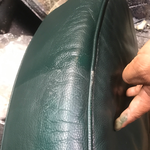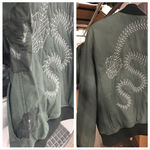
"When no one locally even responded to my inquiries for a quote, Michelle got back to me the same day with a quote and description of how the repair would be done. It's a slight downside to have to ship one glove coast to coast for a minor repair on one finger. But the cost of shipping and the repair is much less than purchasing another $100 pair of gloves! The repair took a little longer than anticipated, but shipping time had to be factored in as well. Michelle was very prompt with communications during the process. Cost of service below did not include shipping which was about $16 round trip. The glove returned good as new...well as good as it's pair. The glove is two years old. But the seam was totally resewn and reinforced. Michelle stated she did not want to the issue to happen again. I hope it won't. The problem started with my fingers rubbing. Very happy with the service from Premier. I wish they had a shop in Maryland!"
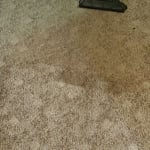
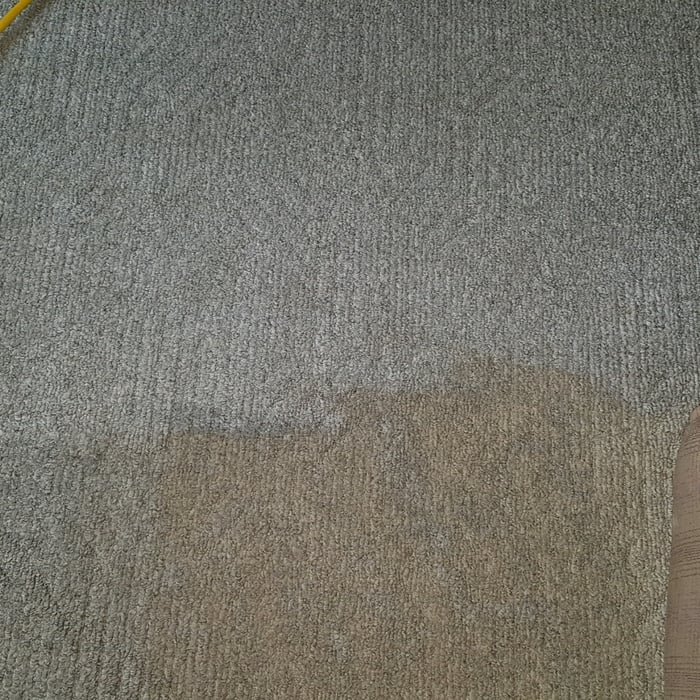
"Very prompt and courteous customer service. Worked with my schedule and did great work. Went above and beyond and cleaned all flooring in my apartment and not just the carpet. Very impressed!"
To remove odor from a leather couch, let's focus first on what not to do.
A quick Google search may suggest using vinegar to do the job—don't. The acid will dry out anything made of leather. A better DIY option is to sprinkle a little baking soda on your sofa and let it rest for a few hours. Afterward, vacuum it up with a soft-attachment brush. You can also try airing your sofa by opening windows or leaving it outside for a few hours in a clean, dry space.
You should lightly clean your leather couch biweekly by dusting off any surface dust or debris with a clean rag. Every month do a deeper clean with a vacuum to remove crumbs or dust from between cushions. You should only condition your couch about once a year to avoid any solution buildup.
Yes, you can save moldy wood furniture by removing the mold as soon as you notice it. Mold can penetrate and damage porous wood, though, so waiting to clean it could lead to significant damage. If a large coverage area of mold grows over several months, you may want to ask a professional to try to save the piece. If the damage is bad enough, though, even a pro might not be able to save it.
Ongoing maintenance of your leather furniture is the only way to prevent it from peeling and cracking. Real leather will peel and crack as it dries out. Leather conditioners are a great way to protect your leather furniture from drying out, and you’ll need to apply it about twice each year. It’s also a good idea to keep abrasive materials away from your leather to prevent cracking and peeling, including belt buckles, shoes, and multi-surface cleaners, especially those that contain alcohol.
Unless you have a steam cleaner with an extractor (which is what most professionals use), a steam cleaner only breaks up all the dirt and grime stuck to your flooring and doesn’t actually remove the dirt. After a steam clean, the key to getting rid of dirt and grime is going back over it with a vacuum, mop, or microfiber cloth.
The Onida, SD homeowners’ guide to upholstery cleaning services
From average costs to expert advice, get all the answers you need to get your job done.
Wondering how much it costs to rent an upholstery cleaner? Get prices, cost factors, and money-saving tips for your next DIY upholstery cleaning project.
Mattress cleaning cost depends on the number of mattresses being cleaned and the size of each. Use this guide to better understand mattress cleaning prices.