"We pay yearly but we have this is included with our rental property. They are pretty good on most things. We had a hot water heater replaced and they did an excellent job on that. They are very quick on their response. They dont come out here. It is all done on the internet. I just like the idea that one time service charge is so much better than trying to hiring someone to come in. It is more about convenience. It pays for itself."
Electric water heaters do not need an attached vent, but the location of the water heater should allow for roughly 12 inches of clearance around it. This allows cool air to flow around the appliance and allows repair technicians to work on its components safely. The exact amount of clearance space required depends on your local building codes.
If your gas water heater is over 20 years old, it should be replaced. Gas water heaters can last up to 12 years and while they can exceed this expectancy if well-maintained, a heater that's 20 years old would require replacement. The heater is unlikely to run as efficiently as a new model and could be more expensive to do so.
While heat pump water heaters are more expensive than gas-powered water heaters, the ROI is higher for heat pump units. Not only are heat pump water heaters more energy efficient, meaning immediate savings on your energy bill, but they also last longer than traditional gas versions, meaning you won't have to buy them as often.
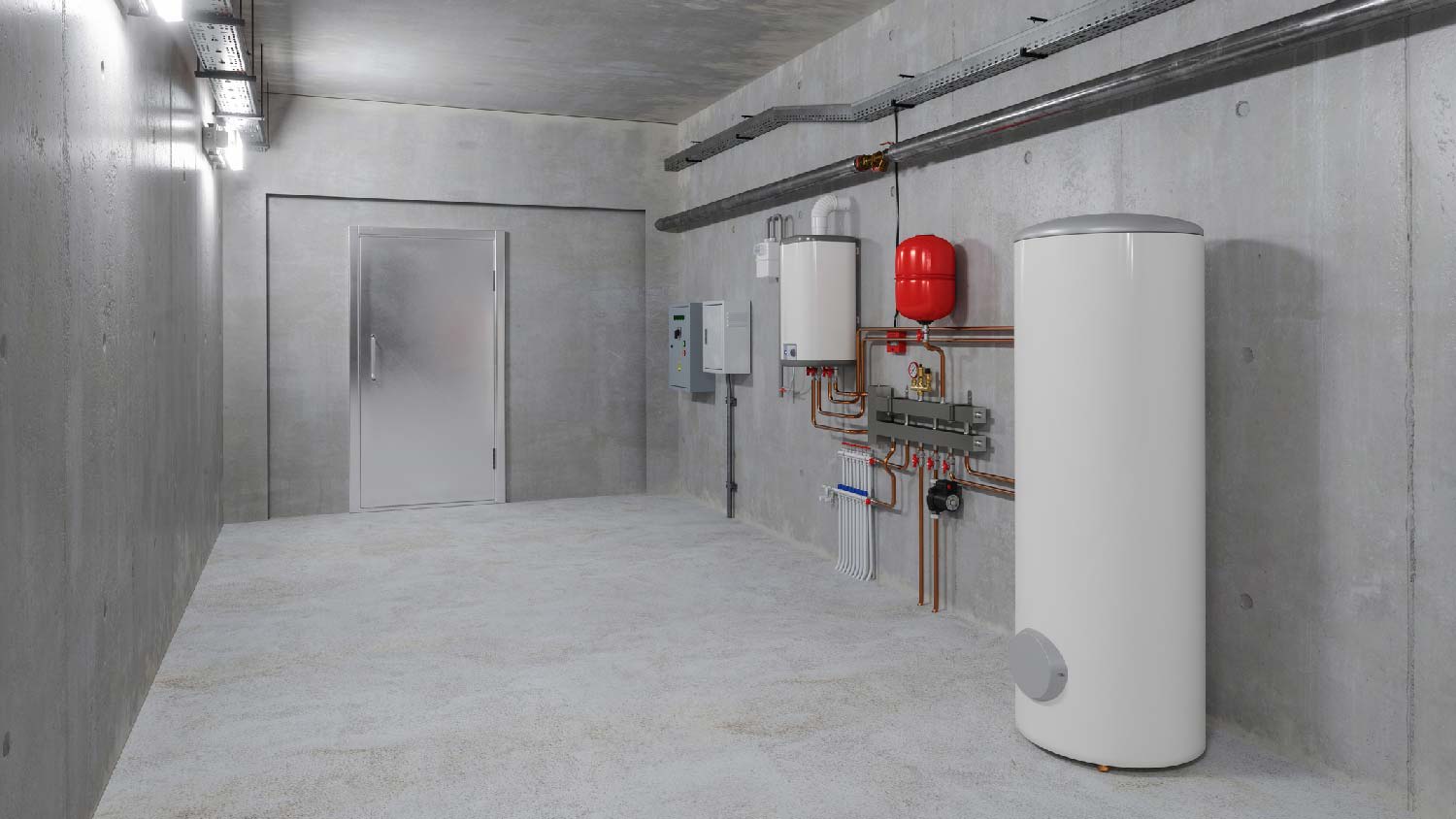
Storage, tankless, heat pumps, and solar water heaters each suit specific space constraints, usage needs, and efficiency preferences.
The amount of time it takes to replace an electric water heater will depend on the skill level of the individual who is replacing it. For example, if you replace it yourself–and you don’t have much experience–you can expect the project to take a full day.
However, if you have a certified plumber or water heater contractor install your new water heater, it can take as little as 2 to 3 hours.
The Mclaughlin, SD homeowners’ guide to water heater services
From average costs to expert advice, get all the answers you need to get your job done.
Looking to replace or upgrade your water heater? Use this water heater replacement cost guide to see what the work will cost and what factors affect your total.
Wondering how much a water heater expansion tank costs? Use this cost guide to get an accurate estimate and learn how to choose the right one for your home.
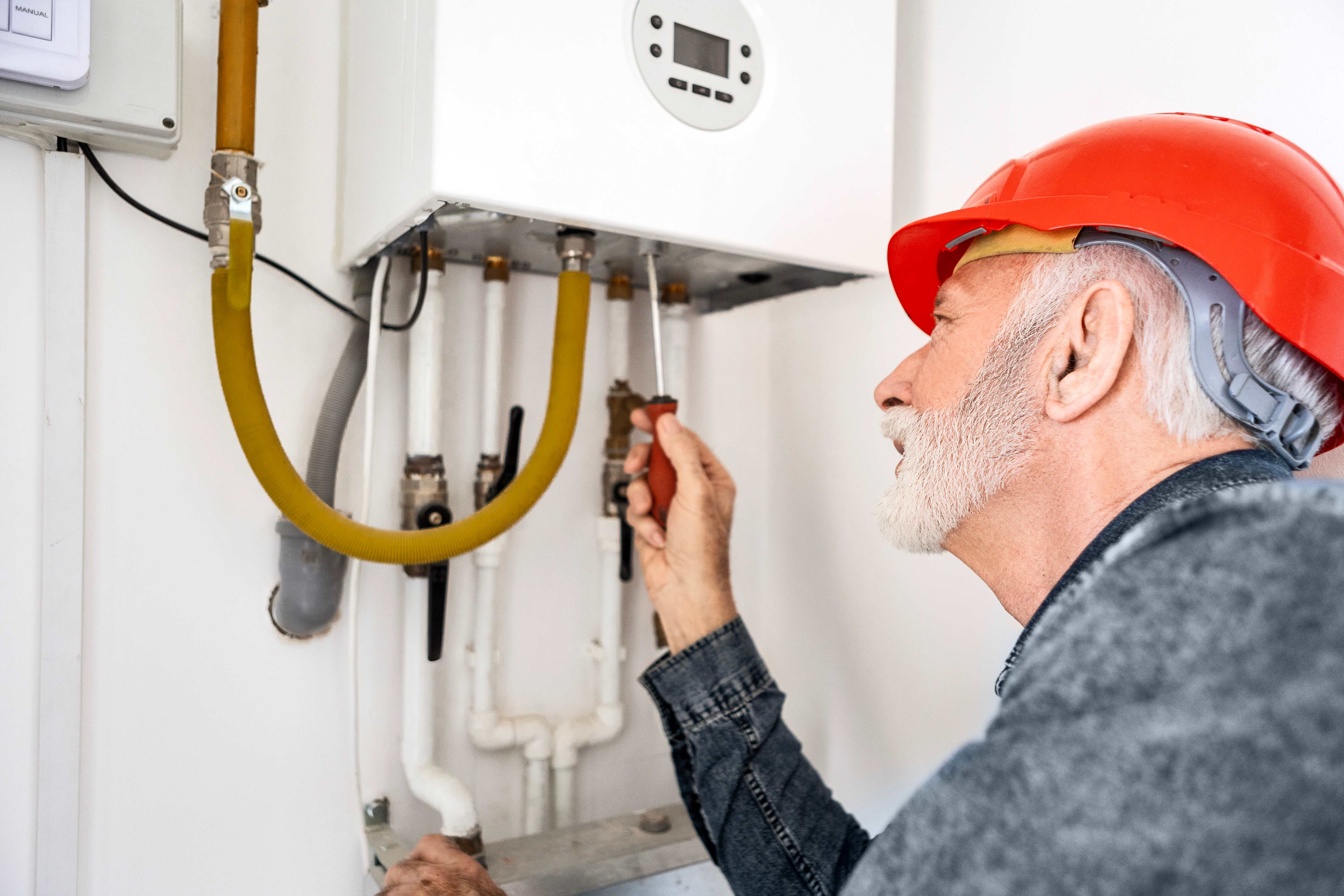
Who can install a water heater for you? Look to hire a water heater installation pro or a licensed plumber for this job because of the challenges involved.
The average lifespan of water heaters is 6 to 15 years for conventional models and up to 20 for tankless ones, but it can be less if they are not properly maintained.