"I only use James when I need some work done to my house. He responds fast, gets the work done quicker than just about anyone else I've ever used and seems very concerned with leaving his customers happy."
Yes, many installation and painting services include wall preparation, such as patching holes, smoothing surfaces, sanding, and priming. It is recommended to confirm the specific preparations included with your provider.
Textured or patterned vinyl wallpaper designs are the best option for hiding imperfections. Embossed designs or faux finishes like brick, wood, or linen textures are especially effective at camouflaging dents, cracks, or uneven surfaces. Avoid smooth, shiny finishes, as they can highlight flaws rather than conceal them.
No, you don’t always have to remove old wallpaper before applying a new layer. However, you should pull off the existing wallpaper if it’s cracked, peeling, or in poor condition. We’d also recommend against putting wallpaper over textured or dark-colored wallpaper because the old layer may be visible through the new one. In addition, if you try to hang new wallpaper over vinyl-coated wallpaper, the adhesive might not stick properly.
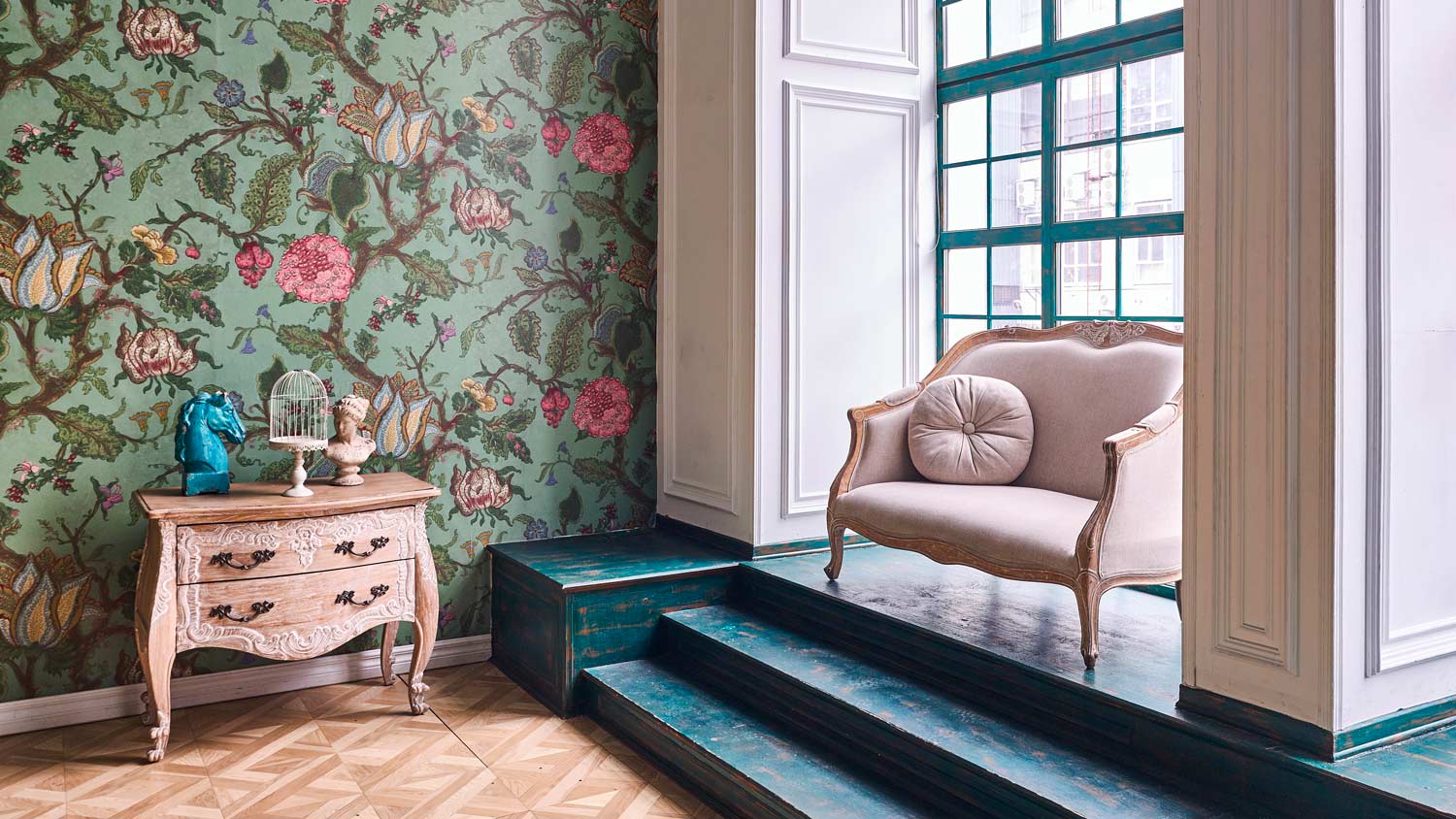
Deciding between a lighter or darker accent wall depends on the effect you’re going for. Choosing an accent wall in a lighter color will make a room feel brighter and more spacious and complement rooms with less natural light. A darker accent wall will add drama and depth to a room and help make larger rooms feel more cozy and intimate.
Yes, you can apply peel-and-stick wallpaper over wood paneling, but it requires significant preparation for a good result. Peel-and-stick wallpaper has a weaker adhesive than traditional wallpaper and works best on smooth, non-textured surfaces like painted or primed drywall. Because wood paneling is often textured with grooves, any flaws in the underlying surface will likely be visible after application. To prepare the paneling, you must ensure the surface is free of cracks, holes, and protrusions by filling any indentations and sanding rough spots to create a smooth surface. An alternative is to remove the paneling and apply the wallpaper directly to the underlying drywall or plaster, provided it is in good condition.
The Martin, SD homeowners’ guide to wallpaper services
From average costs to expert advice, get all the answers you need to get your job done.
Discover wallpaper installation cost. Learn about material, labor, and project factors to estimate your budget and make informed choices for your home.
Whether you can put wallpaper over wallpaper depends on the type of paper you’re using and the condition of the existing surface. Learn more with this guide.