"The business saw and noticed the damage gutted out half the bathroom and replaced the damaged floor and then replaced the tub and shower. They blended all new work done perfectly into anything that wasnt replaced."
We take great pride in our experience, expertise, quality, and customer service that we provide to meet the consumer's needs. It is our mission to provide excellent workmanship and complete customer satisfaction, from the start to the completion of a project. In order to understand the needs and expectations of our customers, we take great care to work and communicate with every customer in a professional manner. Our reputation is based on service, safety, and quality, regardless of how large or small the job.
No. Placing a built-in grill against the house is discouraged due to safety concerns. Building codes and regulations often require a minimum distance (typically 10 feet or more) between a gas grill and any combustible structure, including a house. Placing a grill too close poses a fire hazard and risks damage to the siding or structure, potentially leading to carbon monoxide buildup. It's essential to consult local building codes, follow manufacturer guidelines, and prioritize safety by positioning the grill at a safe distance, ideally in a well-ventilated outdoor kitchen or designated grill area.
Examples include gas stoves, ovens, and water heaters. Confirm with your provider for specific items.
The most significant benefit of having a gas grill over a propane grill is that you never run out of fuel unless there’s an outage in your area, which is rare. Unlike with a propane grill, you’ll never need to haul tanks back and forth to a local fill station, and you’ll never find yourself unable to use your grill because you forgot to refill your tanks. Gas grills also burn slightly cleaner than propane grills, and natural gas costs significantly less than propane, meaning it’s more affordable to run your grill.
You can maneuver your gas grill into place, but you cannot connect the grill to your gas source yourself. All municipalities mandate that a certified plumber carry out this work, so you’ll have to reach out to a plumber or a gas grill installation company in your area. Given how dangerous a gas leak can be, gas lines and connections are highly regulated, so you’ll need a professional’s help and a permit to install a gas grill.
Gas grill installation costs around $540 on average, not including the price of the actual grill, and most homeowners pay between $120 and $1,400. This total will go toward laying down a new gas line, connecting it to your existing gas system, pressure testing the line, and connecting it to your grill. Your total project price will depend on the length of the gas line, whether or not the line needs to be installed underground, and the cost of the permits in your area.
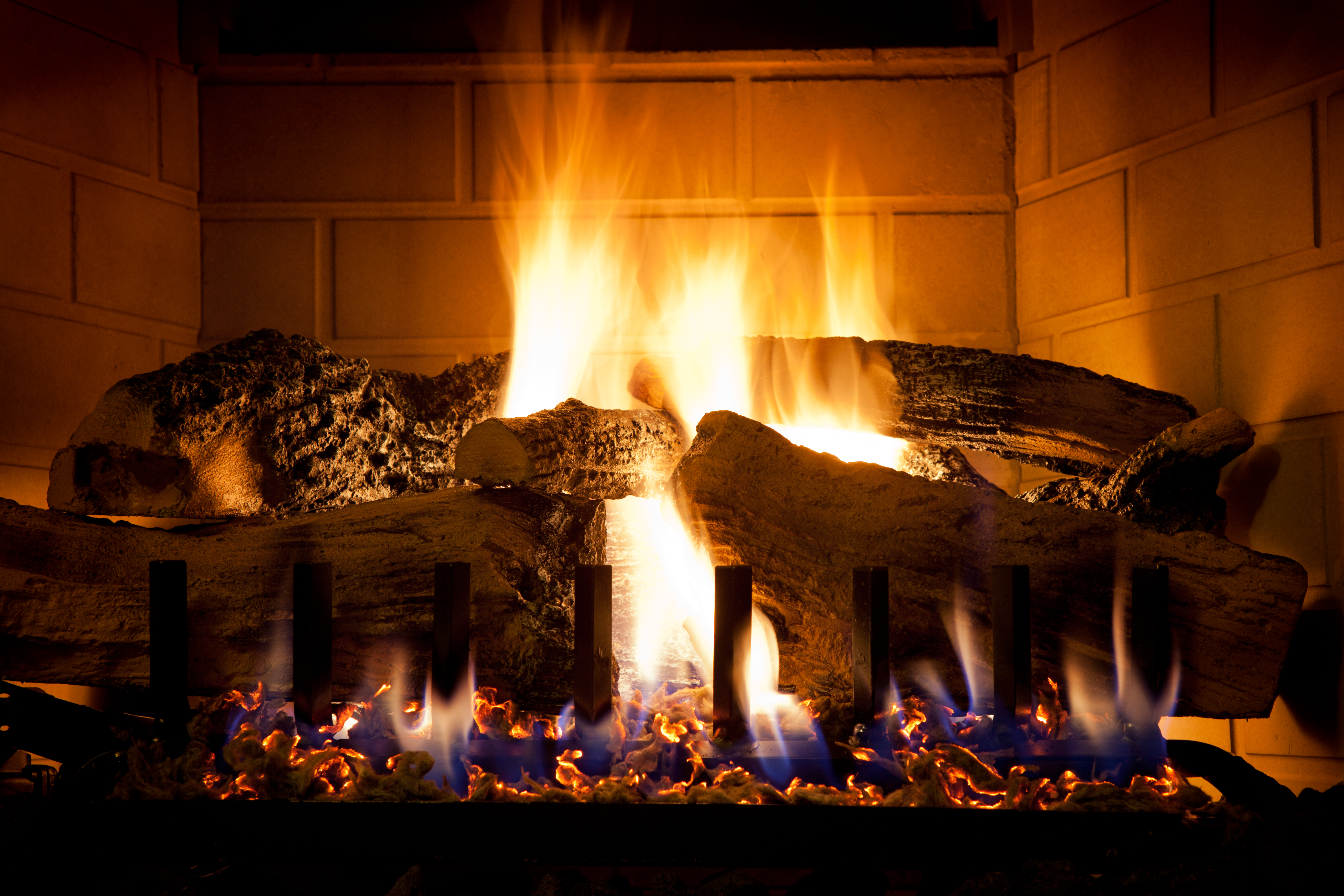
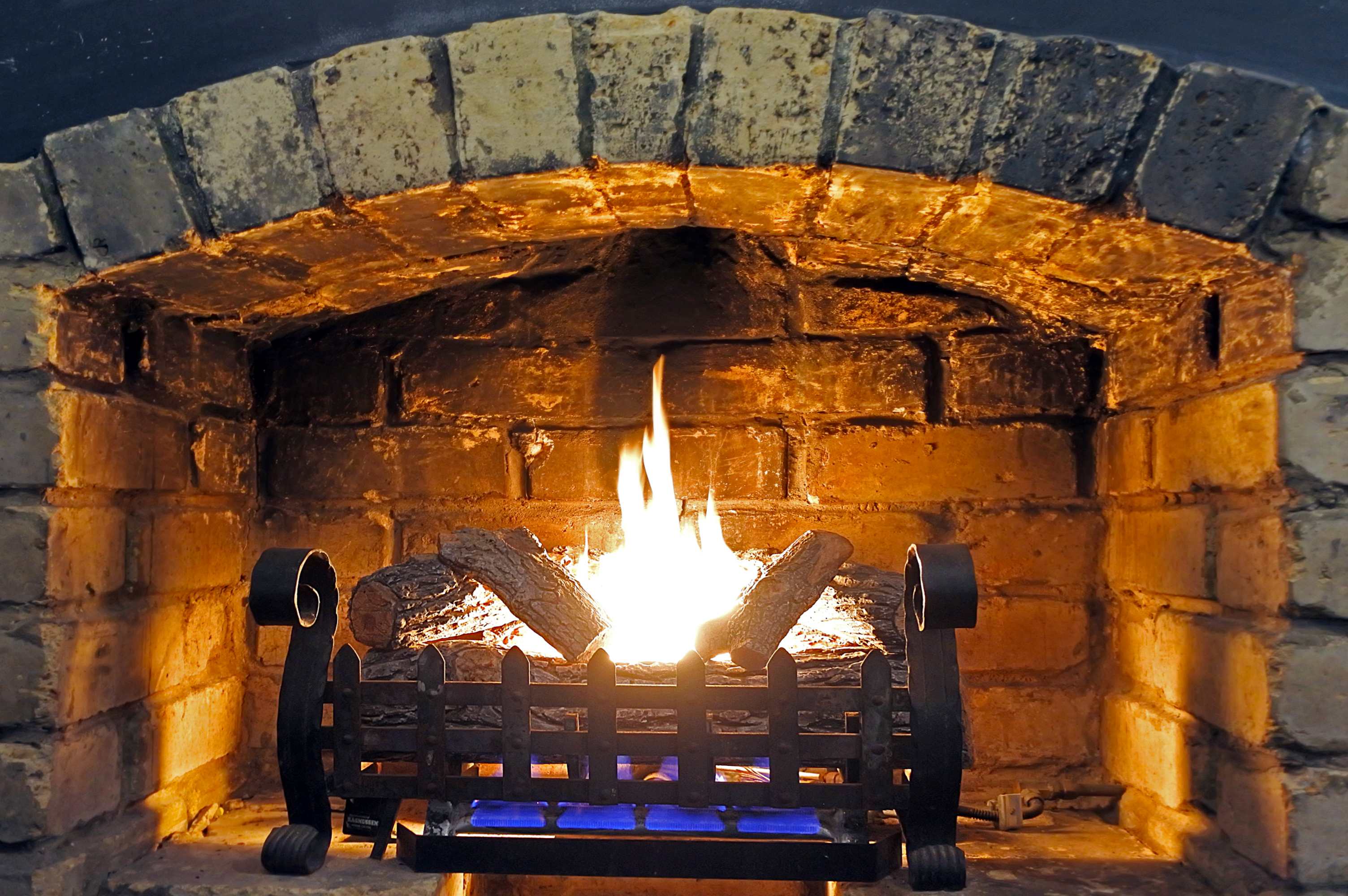
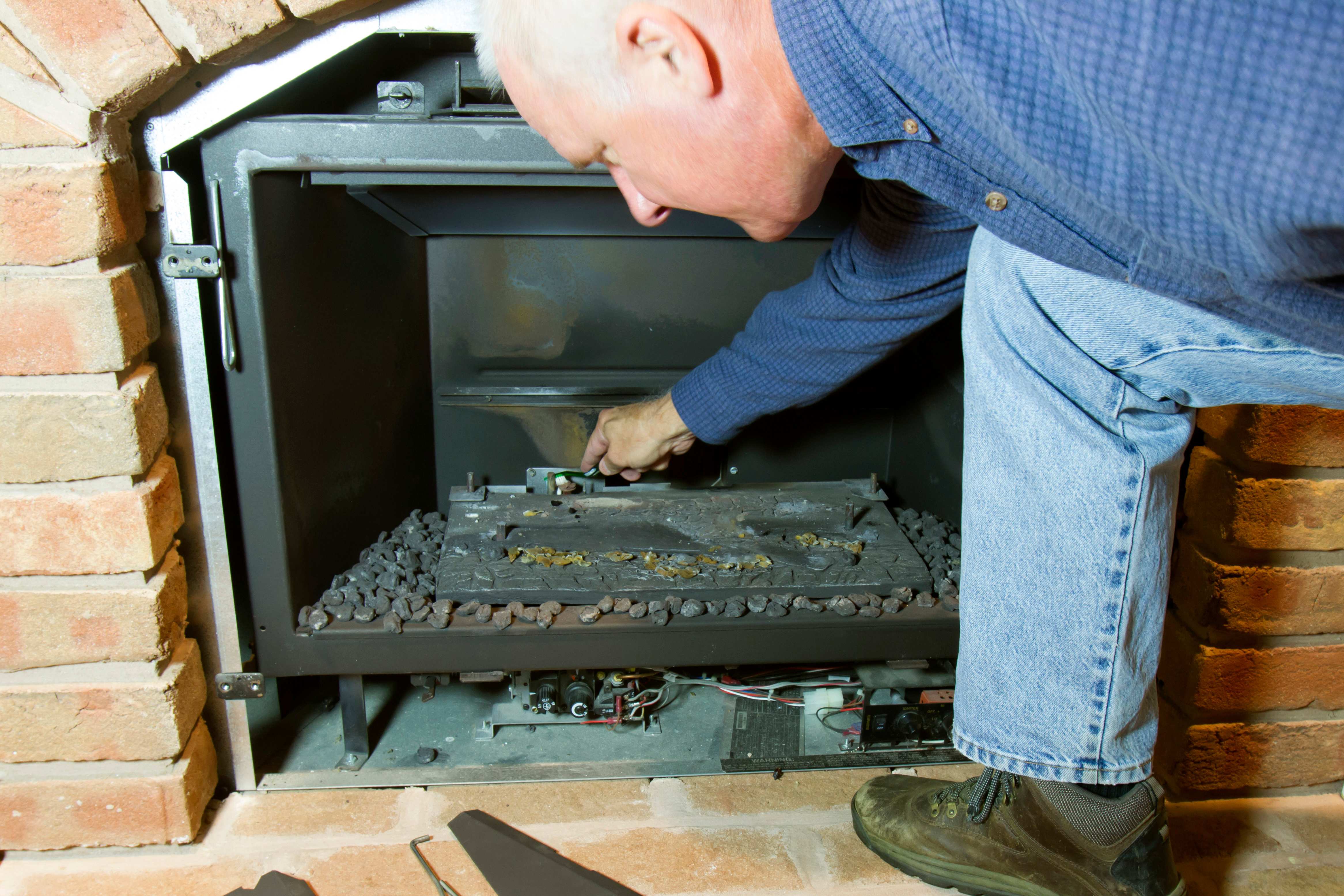
The Lower Brule, SD homeowners’ guide to gas log services
From average costs to expert advice, get all the answers you need to get your job done.
This guide shares information about the cost to remove a gas fireplace, including the average price to additionally remove the breast, stack, and chimney flue as well as which experts will be needed to complete the project.
Whether it's time for pipe replacement or to hook up the range of your dreams, gas line installation cost is an important line in your budget. Let's take a look.
Ventless gas logs serve the same purpose as vented gas logs. But that doesn’t mean they’re interchangeable. Find out more on whether you can use ventless gas logs in a vented fireplace or not using this informational guide.
When comparing vented versus ventless gas logs, vented logs are better for ambiance, while ventless gas logs are easier to install and heat a room efficiently.