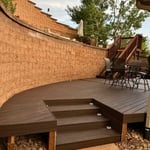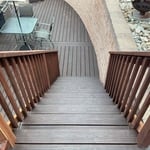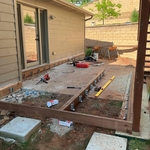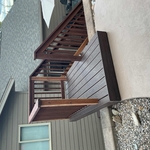








Top-rated stair railing installation pros.

Get matched with top stair railing installation pros in Lead, SD

Enter your zip and get matched with up to 5 pros

Need a pro for your stair railing installation project in Lead, SD?

Select your specific project to find the pro for you.

TRUSTED BY LEAD, SD HOMEOWNERS

  • Average homeowner rating star icon4.3
    Average homeowner rating
  • Verified reviews icon32
    Verified stair railing installation services reviews

Find Stair railing installation pros in Lead

Black Hills Woodworking
5.0(
1
)
Wood Stairs and Railings - Install or ReplaceWood Stairs and Railings - Repair

Serving Lead, SD and surrounding areas

In business since 2000

Free estimates

Here at, Black Hills Woodworking, we take great pride in our 30+ years of experience, expertise, quality, and customer service that we provide to meet the needs of the consumer. It is our mission to provide excellent workmanship and complete customer satisfaction from start to completion of a project. In order to understand the needs and expectations of our customers, we take great care to work and communicate with every customer in a professional manner. Our reputation is based on service, safety, and quality, regardless of how large or small the job.

Response time12 hrs
Recommended by100%of homeowners
Showing 1-10 of 33
Install Stair Railings questions, answered by experts

A handrail should start at the bottom step's riser and extend to the top riser, continuing slightly beyond both the top and bottom steps if possible. A good rule of thumb is from the nosing of the upper landing to the nosing of the lowest step. This extra length provides better grip and safety when entering or exiting the staircase.

Whether or not any project is DIY-able depends on your personal level of handiness and willingness to extend time and effort. But in short, yes, you can install deck railing yourself if you have some basic skills. Certain types of deck railing, like cable or rope, are easier to install than wood or composite railing or more complicated types like sunburst railing.

Deck stairs should have at least three stringers rather than two. The recommended minimum width for stairs is 36 inches, and the International Association of Certified Home Inspectors recommends at least three cut stringers to provide sufficient support on wood decking stairs of this width. Generally, stringers should be a maximum of 16 inches apart for wood decking and 12 inches apart for more flexible composite decking.

While local building codes vary, a handrail is typically required for stairways with three or four or more risers (steps). For staircases with fewer steps, such as two or three, a handrail may not be legally required. However, it is always best to check your local building codes to confirm the specific requirements in your area. Even if not mandated by code, some homeowners install handrails for comfort, insurance purposes, or if someone in the home has mobility challenges.
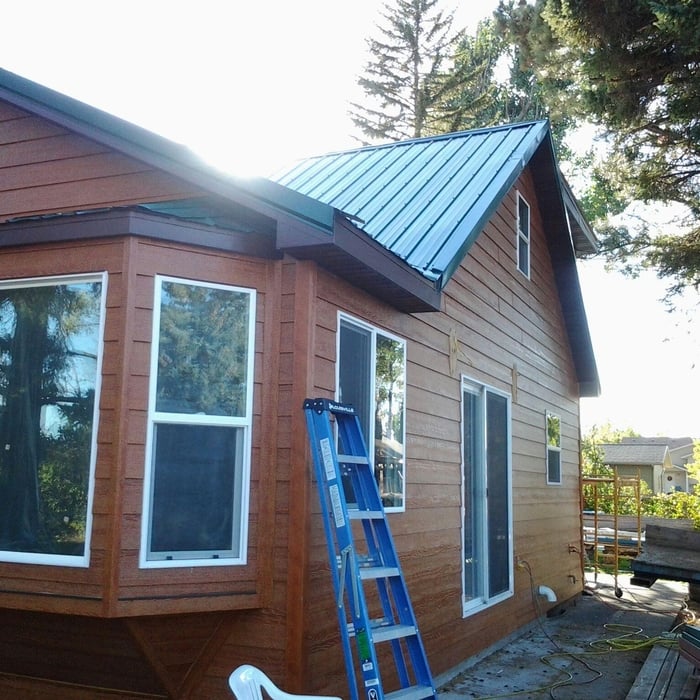
The overhang, or nosing, of deck steps is another area that will be covered in building code requirements. The noses on your deck steps should have a minimum overhang of ¾ inch. For safety, usability, and code compliance, the nosing of deck steps should not extend past 1¼ inches.

The Lead, SD homeowners’ guide to stair railing installation services

From average costs to expert advice, get all the answers you need to get your job done.