A good rule of thumb is to change 5% to 15% of your koi pon’s water every week. Partial water changes help keep your koi healthy, and replacing small amounts at a time prevents causing stress for the fish.
Whether a natural pool is worth it depends on several factors because they cost more than traditional pools. Many people opt for natural pools because they enjoy swimming in natural bodies of water such as lakes. Also, if you're environmentally conscious, a natural pool is going to be a much more attractive option than a traditional pool.
Moreover, for people with chemical sensitivities, a natural pool is a great solution since the water doesn’t contain chlorine.
You have several options for your pond by getting your yard ready for the winter. You can winterize your koi pond by ensuring it’s at least 5 feet deep so it doesn’t freeze completely, installing a pond heater or aerator and having it run at all times, and installing a deicer if temperatures are dangerously low for an extended period. You can also choose to shut down your pond for the winter by removing all the wildlife in it and bringing it indoors, cleaning out the filter and pump, and then covering the pond with a tarp.
A koi pond should be at least 5 feet deep to keep the fish healthy and ensure they don’t freeze in winter. Koi fish are also known for growing large, so the more room you have, the better. A larger koi pond size will allow the fish to grow bigger than a smaller one will, and the more fish you have, the bigger the pond you’ll need. Learn how to build a pond in your backyard to ensure it remains functional and aesthetically pleasing for a long time.
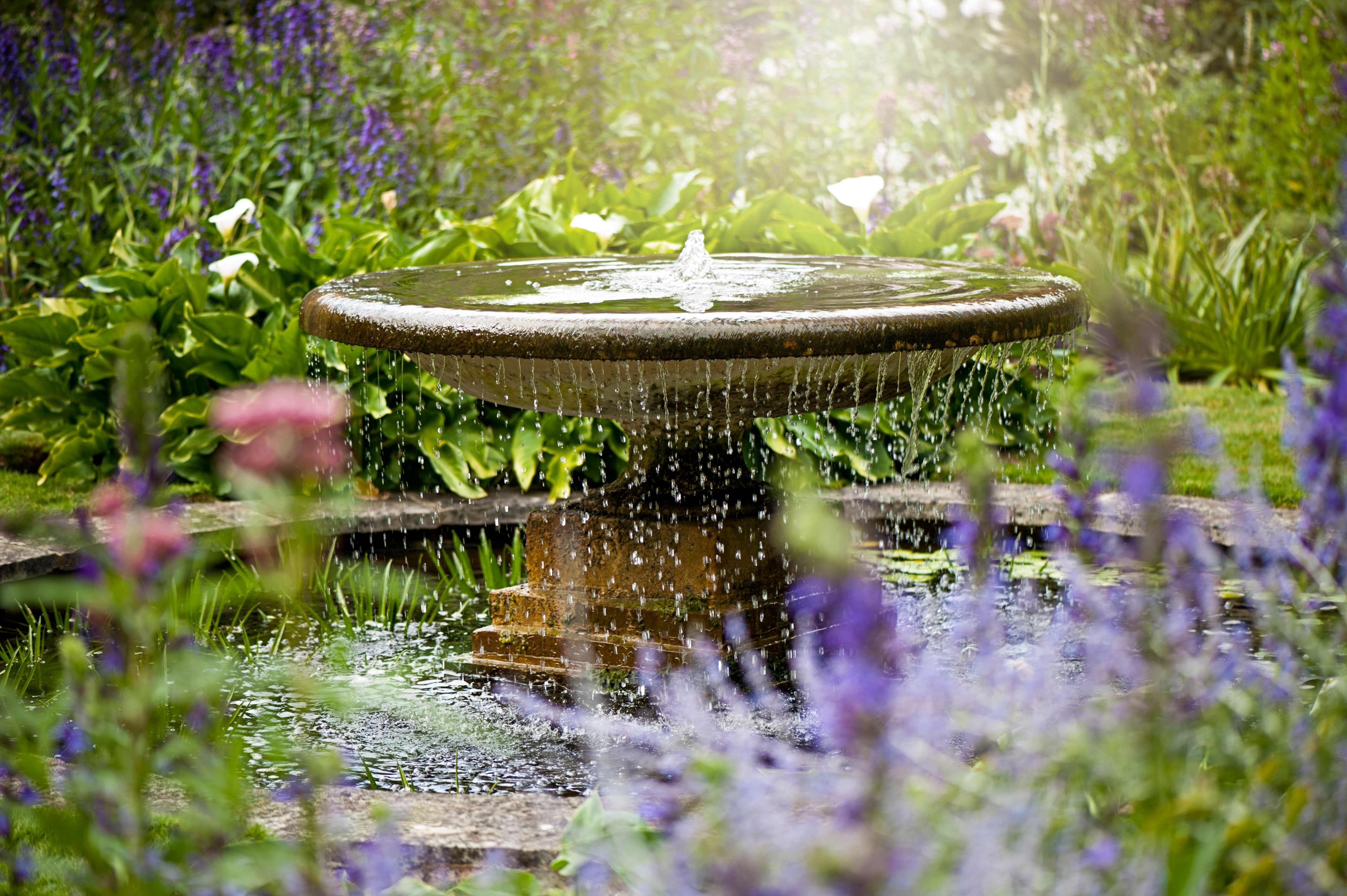
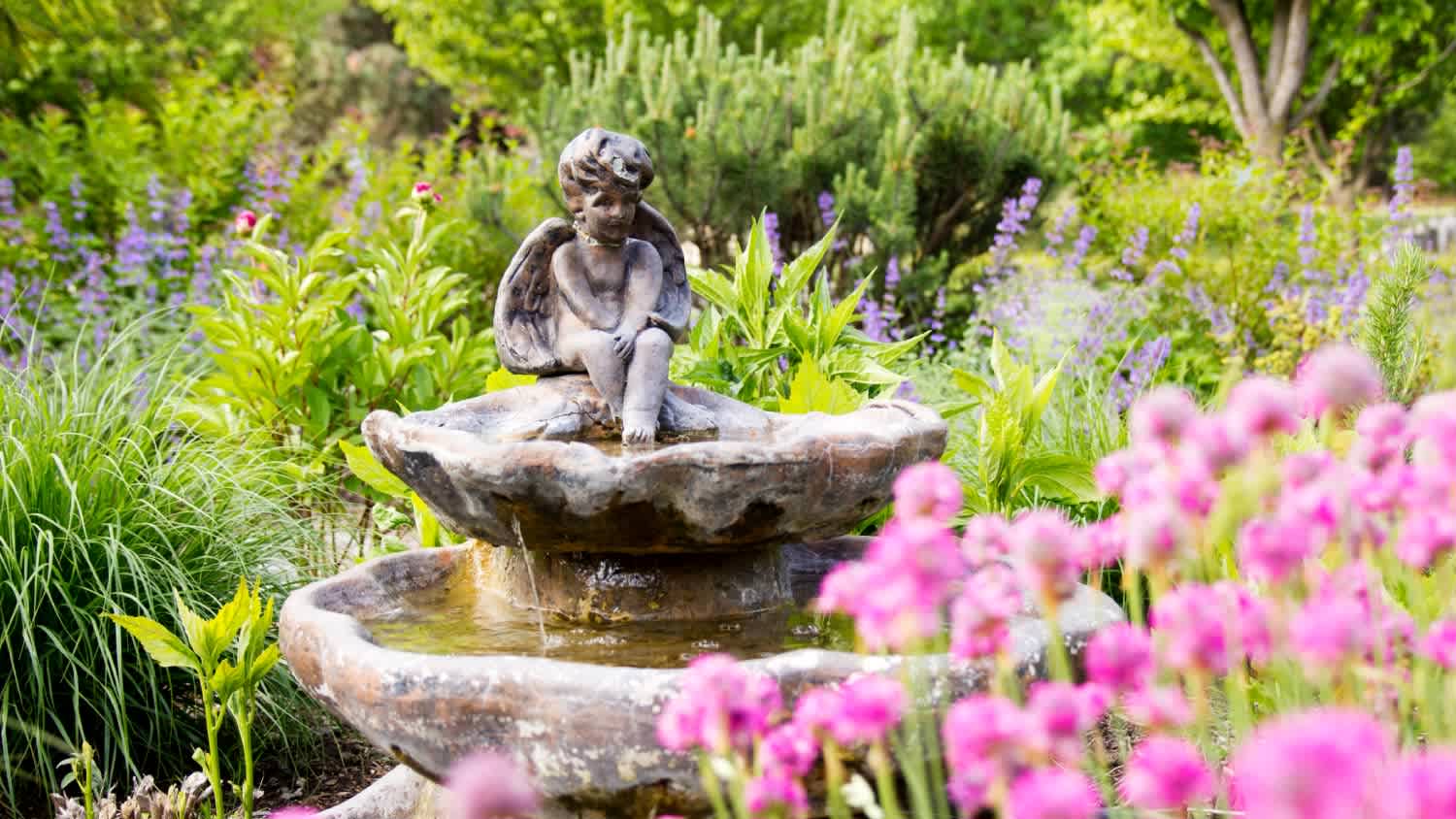
Discover the cost to install a fountain in your pond, including average prices, key cost factors, and tips to save money on your pond fountain installation.
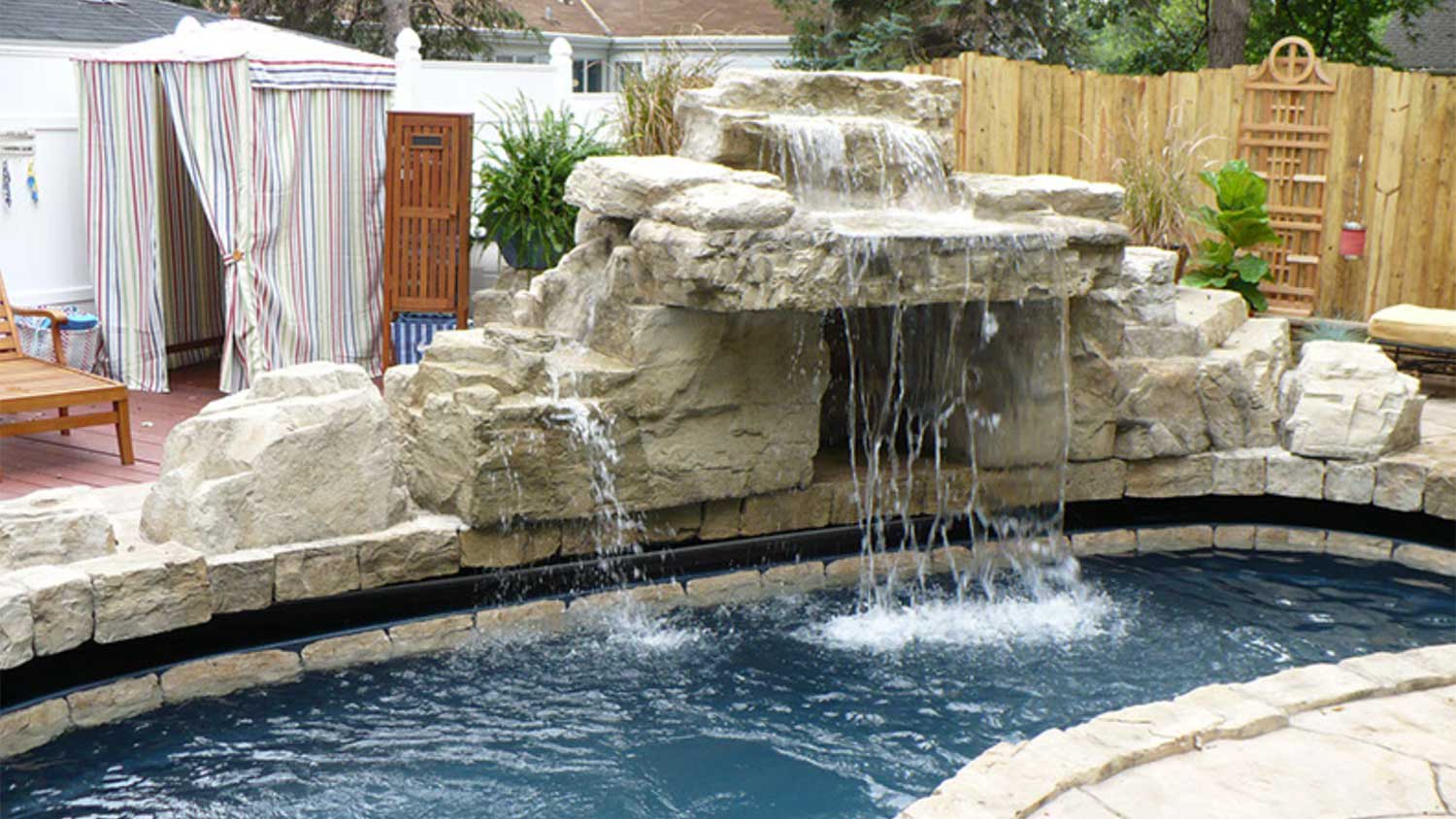
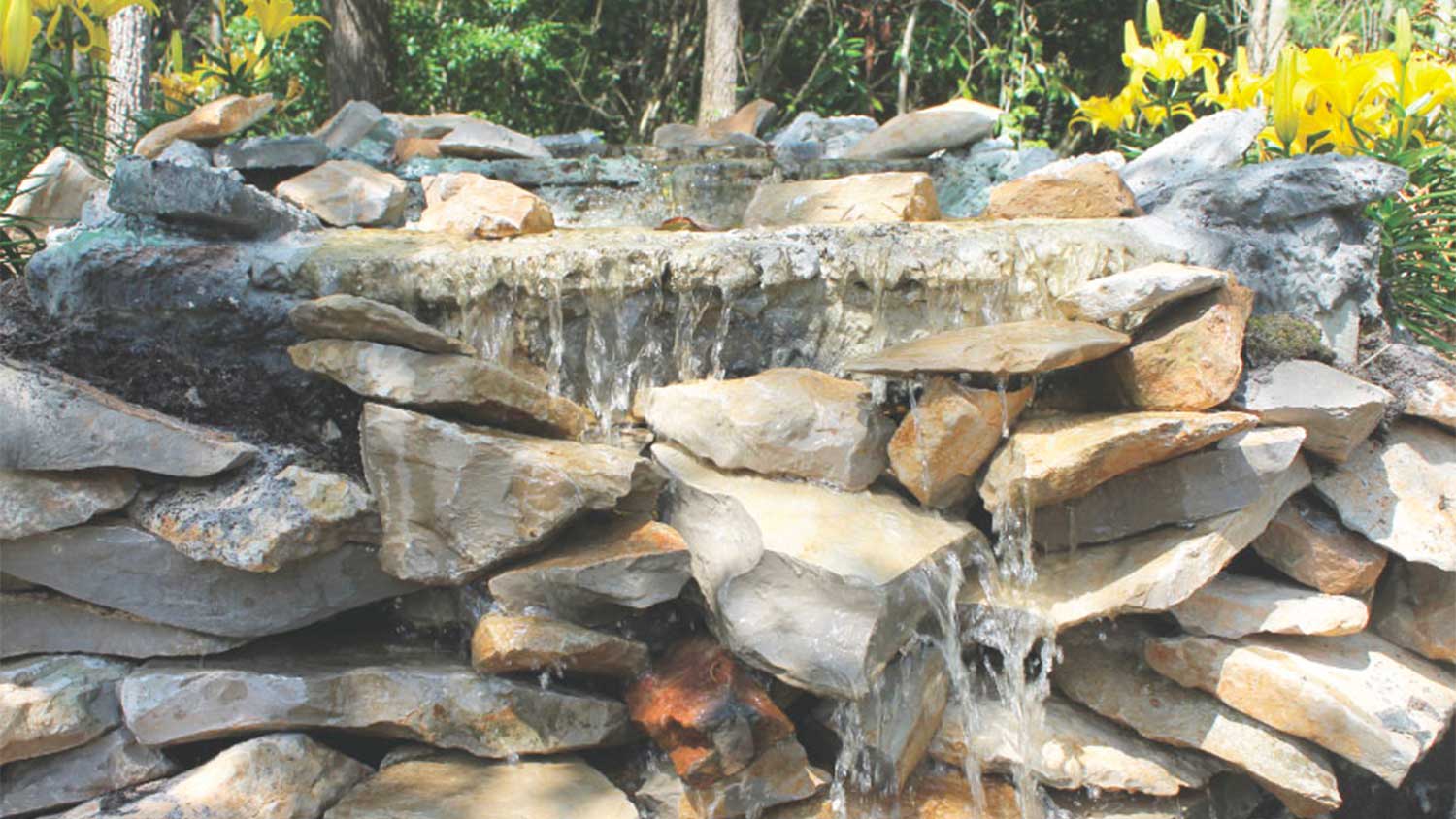
Dive into the details of the different kinds of backyard water features, including fountains, birdbaths, waterfalls, pools, ponds, streams, and spouts.