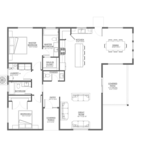
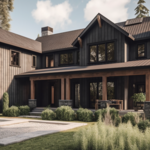
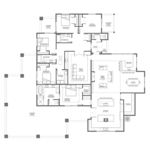
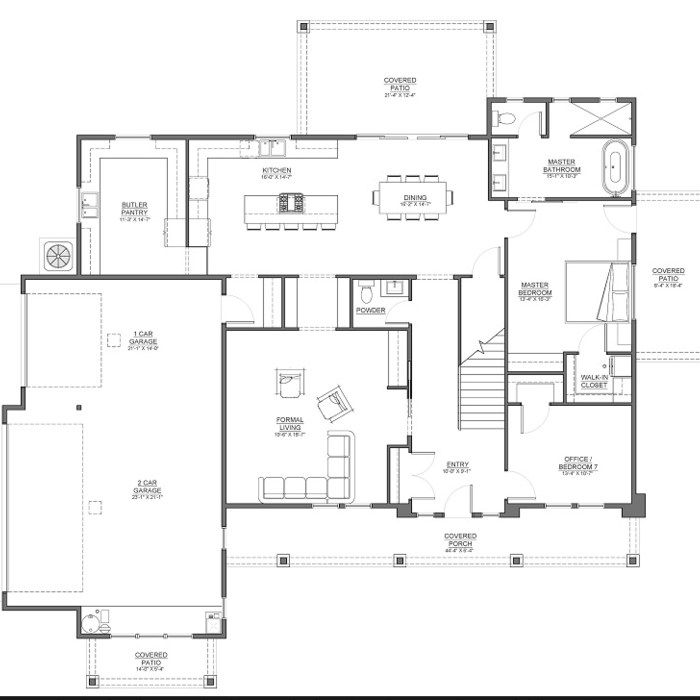
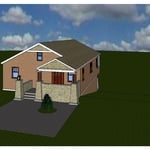
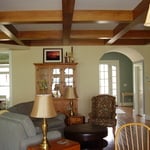
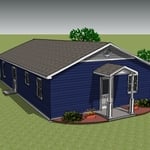
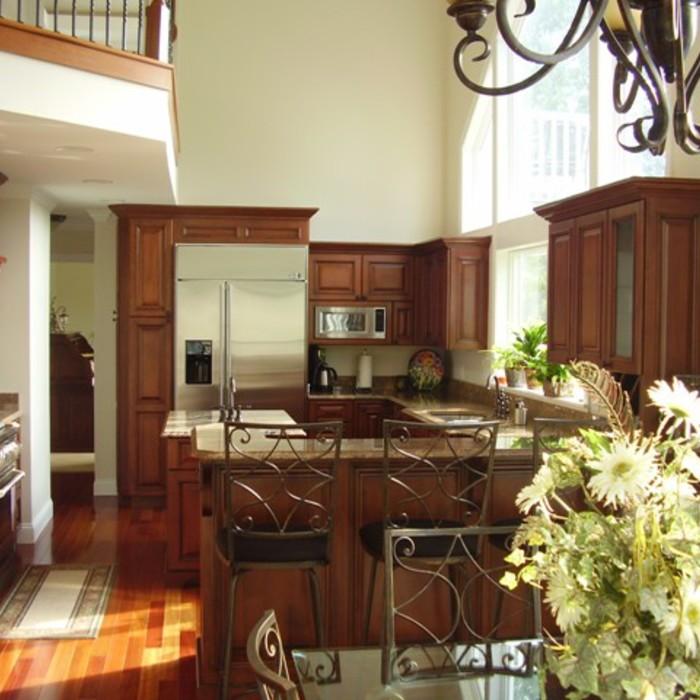
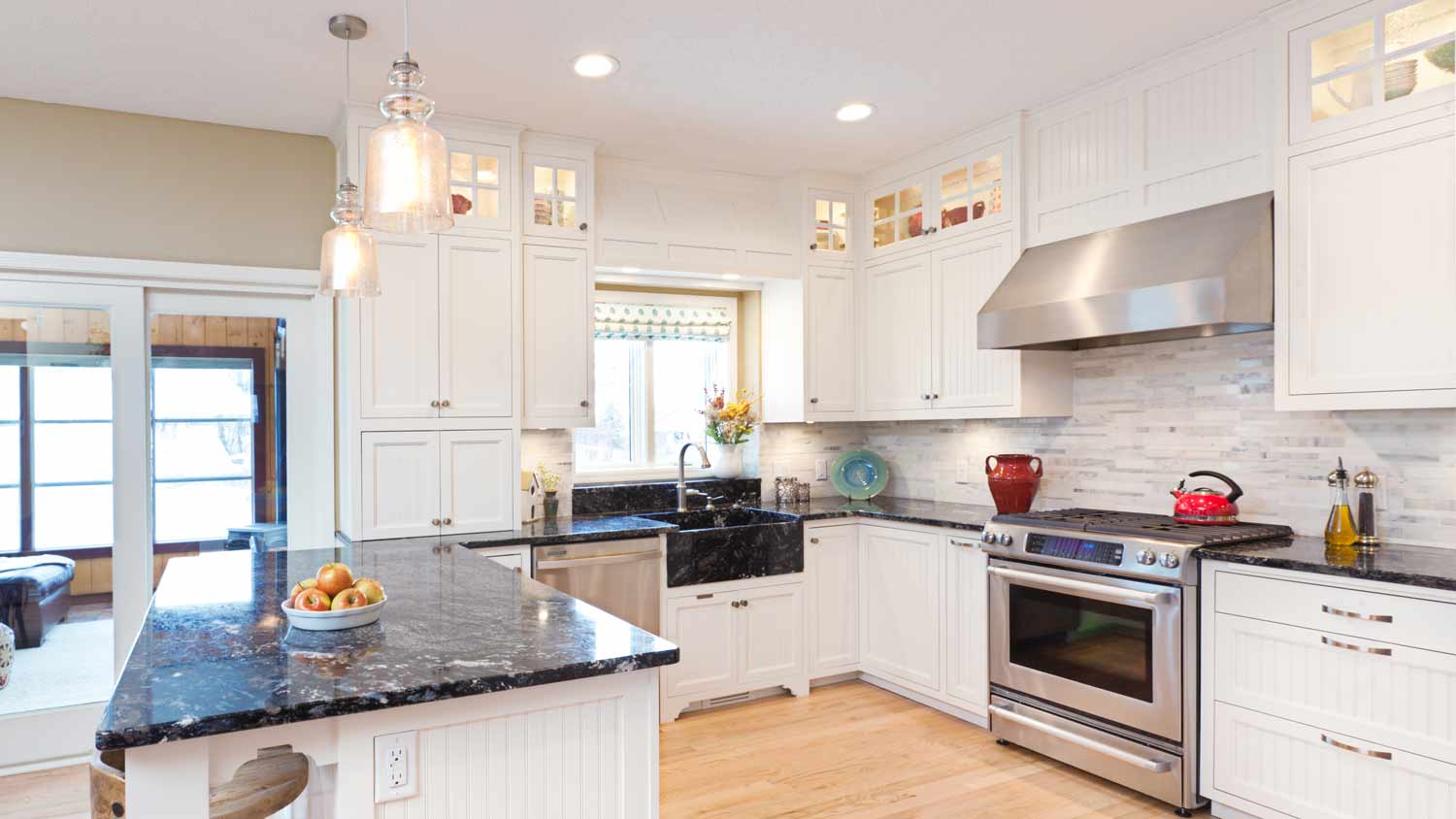
"I am having a full master bath and kitchen remodel done with new layouts in both rooms and knocking out a wall. Evolution worked with me to quickly get a drawing done of the new layouts so that the contractor could get started on the project. They made sure to include me in the process so that the design would be done exactly as my wife and I envisioned. They communicated effectively throughout the process and were always courteous and professional. I recommend them to anyone with drafting needs."
We have a single mission: Complete Customer Satisfaction! We have consistently focused on the needs of our customers, providing personalized attention and a stress-free experience.
\nYou will find us to be competitively priced with close attention to the details.
\nOur reputation is based on service, safety, and quality, regardless of how large or small the job.
\nWe look forward to building a lasting relationship and guarantee your satisfaction!
\n
Terraform Development & Design LLC, delivers expert permit-ready architectural plans and drafting services nationwide. With 8+ years of experience and hundreds of clients across all 50 states, we create code-compliant residential and commercial construction documents that get approved fast and built right.
\nFrom site plans, floor plans, elevations, structural & foundation drawings to MEP coordination, full construction sets, 3D renderings, interior design, solar PV layouts, and precise material takeoffs - we handle it all. Fast 4-6 week turnaround, 3 design revisions included, free revisions for city redline changes, transparent pricing (starts at $2,000), and direct partnerships with licensed engineers for stamps in every state.
"I had a fantastic experience working with this drafting firm. From the very first phone call, Kirsten?our drafting consultant? was clear, professional, and incredibly helpful. She explained the entire process in detail and made sure all of my questions were answered up front, which gave me immediate confidence in the team.
This firm partnered with engineers and architects to get the best quote for me on a stamp for my plans after they did an exceptional job on drawing the prints that met all the requirements for permitting. Their coordination and attention to detail made the process very simple on my end.
If you are looking for a highly capable drafting firm that knows how to get things done right, I highly recommend them!"
At TR Home Design, we can take care of all of your design needs. Our expertise extends to every room in your home and we will customize the plans to fit your needs. Call today for a free estimate and let us show you how to make your building dreams come true!
Structural Engineering questions, answered by experts
Costs depend on unit complexity, labor, wall mounting needs, and additional accessories like floating shelves.
The depth of any foundation style depends on your climate and how deep the frost line is, as building code requires that the footers of a foundation—which are built into a monolithic slab—sit at least a foot below the frost line. At the southern tip of Florida, for example, a monolithic slab foundation would only need to sit 12 inches under the soil at the widest parts. On some parts of the Canadian border, the frost line is 100 inches, which would mean a minimum of 112 inches, which is prohibitively deep for a monolithic slab.
Yes, ceiling joists are typically load-bearing. However, their primary function is to support the weight of the ceiling and loads applied to it, like lighting fixtures and ceiling fans. They can also help support the roof, especially if they’re part of truss systems. Remember, the load-bearing capacity of ceiling joists depends on the material, size, and space between them.
No, a structural engineer is not the same as a builder. A structural engineer is an expert in all things related to the structural integrity of a building. The structural engineer is responsible for calculating the correct materials in terms of load-bearing capacity and overall structural safety. Structural engineers do not perform the actual building of the house or other structures. Rather, the builder executes the plans and designs specified by the structural engineer.
Many horizontal cracks in home foundations result from water and soil pressure from outside of the building or from a footing that is shifting. Under those circumstances, horizontal cracks are a structural problem that requires repair before they become worse and more difficult to fix. However, in very specific cases, thin horizontal cracks may simply be a cosmetic blemish due to concrete shrinkage.
The Corsica, SD homeowners’ guide to structural engineering services
From average costs to expert advice, get all the answers you need to get your job done.
The cost of a structural engineer is easily justifiable given the value they bring to the table. Use this guide to see what hiring your professional will total.
Need extra clearance for getting your vehicles into your garage? Find out how much it costs to convert two garage doors to one double door in this cost guide.
Spotting deep foundation cracks or sagging floors? Learn about structural engineering costs, serious warning signs, and how to hire the right local pro.
It can be hard to choose the right pro for any job, but it matters. Learn how to hire a structural engineer who'll get the job done right from start to finish.