Top-rated concrete leveling pros.

Get matched with top concrete leveling pros in Carpenter, SD

Enter your zip and get matched with up to 5 pros

Need a pro for your concrete leveling project in Carpenter, SD?

Select your specific project to find the pro for you.

Find Concrete leveling pros in Carpenter

Avatar for Groundworks
Groundworks
4.3(
247
)
Concrete - Injection Leveling - MudjackingConcrete - Injection Leveling - Mudjacking - For Business

Serving Carpenter, SD and surrounding areas

Approved (Corporate)

In business since 2005

Free estimates

Warranties offered

"Great system radon was reduced to trace levels within hours of turning the system on. My only recommendation is to consider the location and potential noise level.. The fan is the equivalent of a dryer vent sound so having it near a location you frequently sit outside can be an issue.. but overall excellent job"
Foundation
Basement Waterproofing

+16

141 neighbors recently requested a quote
Recommended by88%of homeowners
Concrete Leveling questions, answered by experts

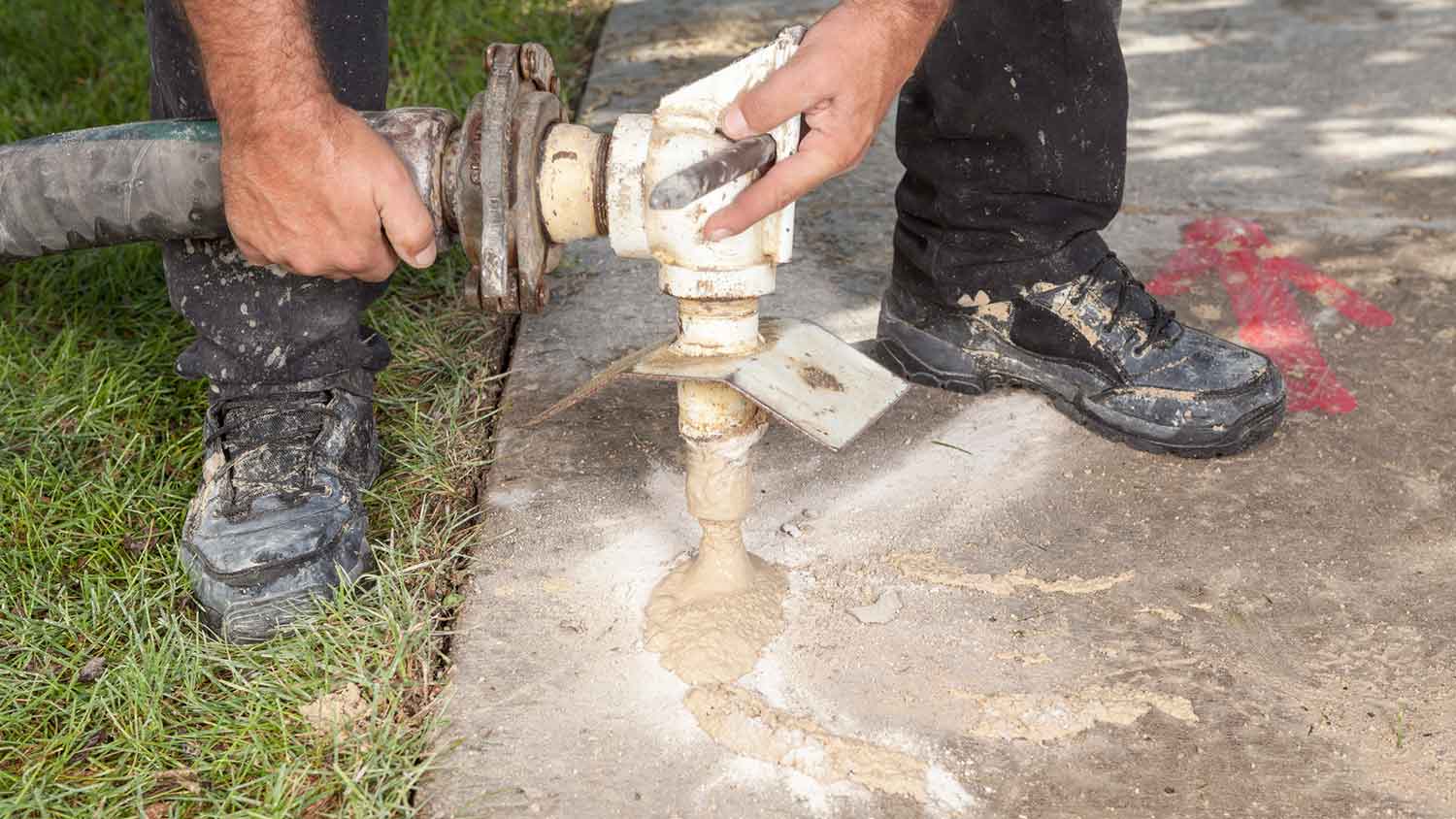
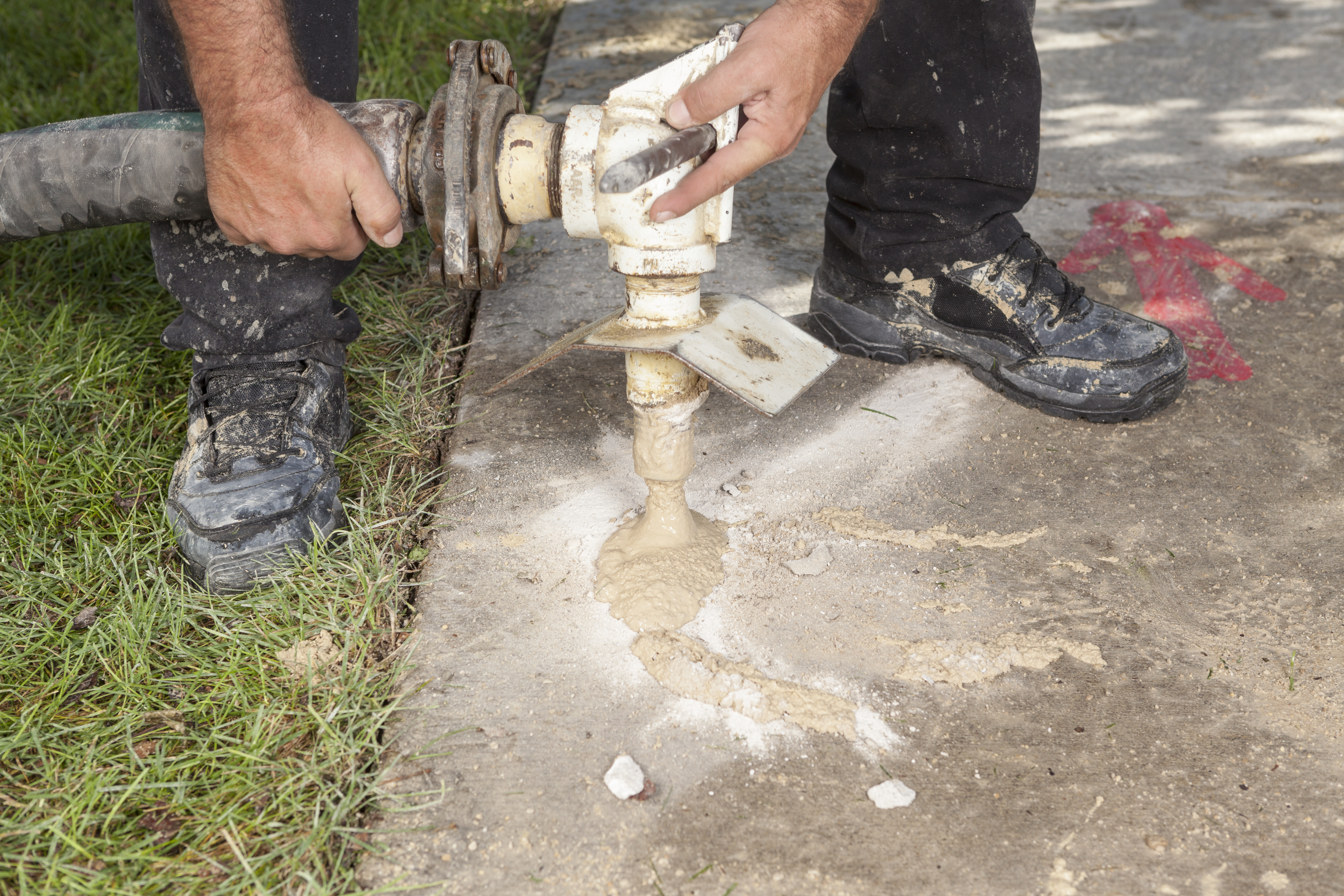
Mudjacking typically takes 24 to 72 hours (one to three days) to dry and cure completely before you can resume normal use. The exact time can vary depending on the size of the project. Because the slurry mixture contains cement, it must fully harden to ensure that added weight from walking, furniture, or vehicles won't shift the concrete slab. A professional contractor can advise you on when the surface is safe to use. For comparison, if you use polyjacking instead, the polyurethane foam can dry in just a few minutes, but it's best to wait about an hour before use.

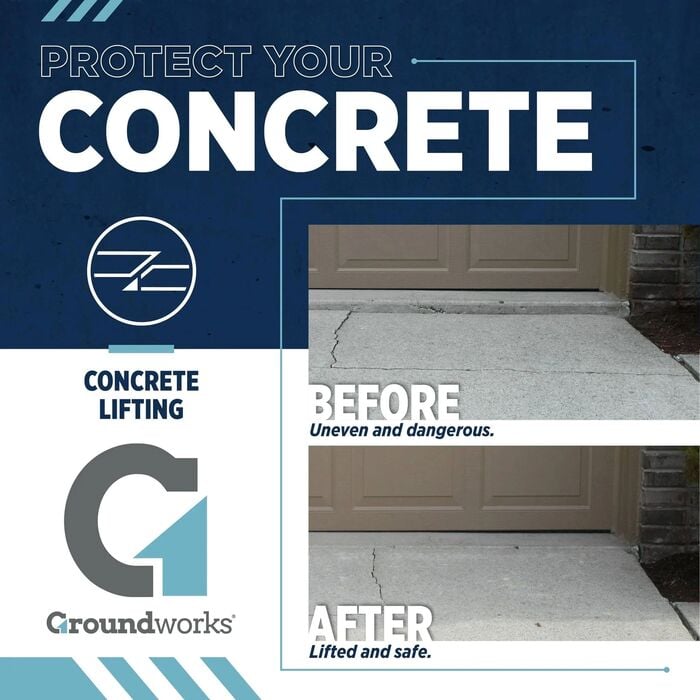
Mudjacking restores level surfaces, prevents further damage, and is more cost-effective than a full replacement.

Charges correlate with surface size, settlement depth, and access, often yielding significant savings over concrete replacement.

Trenching and boring are two distinct methods for installing underground utilities. Trenching involves digging a channel using equipment like an excavator, trencher, backhoe, or shovel. While it is a simpler process, it causes significant disruption to the surface, landscaping, and surrounding ecosystems.

Boring, also known as directional boring, is a less invasive alternative that uses a drill to create a tunnel for utility lines without disturbing the surface. This method is more precise and is ideal for installations that need to go underneath buildings, roads, or bodies of water. Although boring is less disruptive, it is generally more expensive than trenching.

It restores concrete, prevents replacement cost disruptions, reduces trip hazards, and provides stability at a lower cost.

The Carpenter, SD homeowners’ guide to concrete leveling services

From average costs to expert advice, get all the answers you need to get your job done.