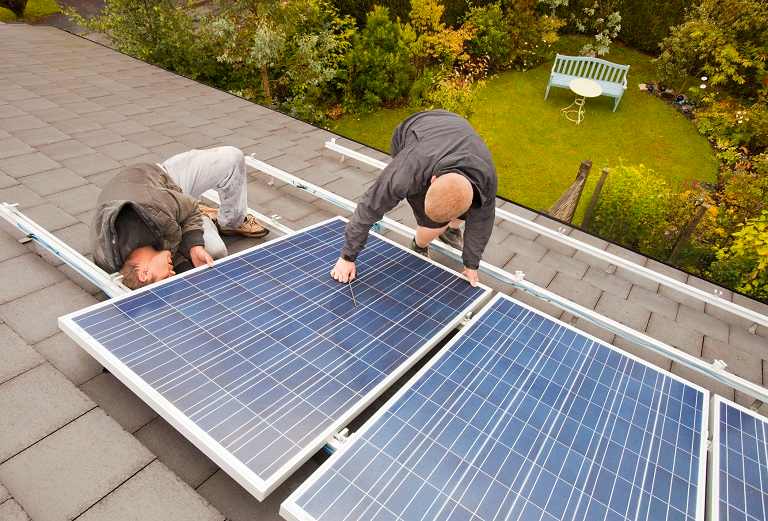



We provide residential and commercial solar power options, and provide support services for industry partner companies. We offer no cost consultations and $0 down financing. Please contact our office for a consultation at (931)922-8258.

Packages starting at just $19.99 per month. \n\nGet Dish Network offers the satellite TV & Internet bundles in the business. DISH offers HD for life, installation, Blockbuster movie rentals, HD and DVR satellite receiver upgrades and free movie channels. \n\nTake your TV to go with the DISH Sling Adapter!\n\nThe same TV you watch at home is now available on the go. All your channels, everything on your DVR - now at your fingertips. Enjoy your local news, live sports, and favorite TV shows on your computer or mobile device.\n \n$19.99 Dish smart pack is back free\n Blockbuster Home movies DVR & HD TV.
"They have been very helpful. The refrigerator we had, had a control panel that they could not replace, so they gave us options and we were able to get a new refrigerator. They have saved us a lot of money over the year. They probably saved us $5000 on an AC issue. They are very prompt at responding and have been very professional."
Global Synergy Powers is committed to excellence in every aspect of our business. We uphold a standard of integrity bound by fairness, honesty, and personal responsibility. Our distinction is the quality of service we bring to our customers. Accurate knowledge of our trade combined with ability is what makes us true professionals. Above all, we are watchful of our customers' interests, and make their concerns the basis of our business.
The cost to install or upgrade an electrical meter box ranges from $100 to $650, including $50 to $250 for the unit. The meter base passes the power from your electric company to your panel. The cost to replace a meter base is roughly $50 to $250.
Service entrance cables are electrical cables with multiple wires, bringing power from electrical companies to residential buildings. The cost to replace a service entrance cable ranges roughly from $1,000 to $1,500.
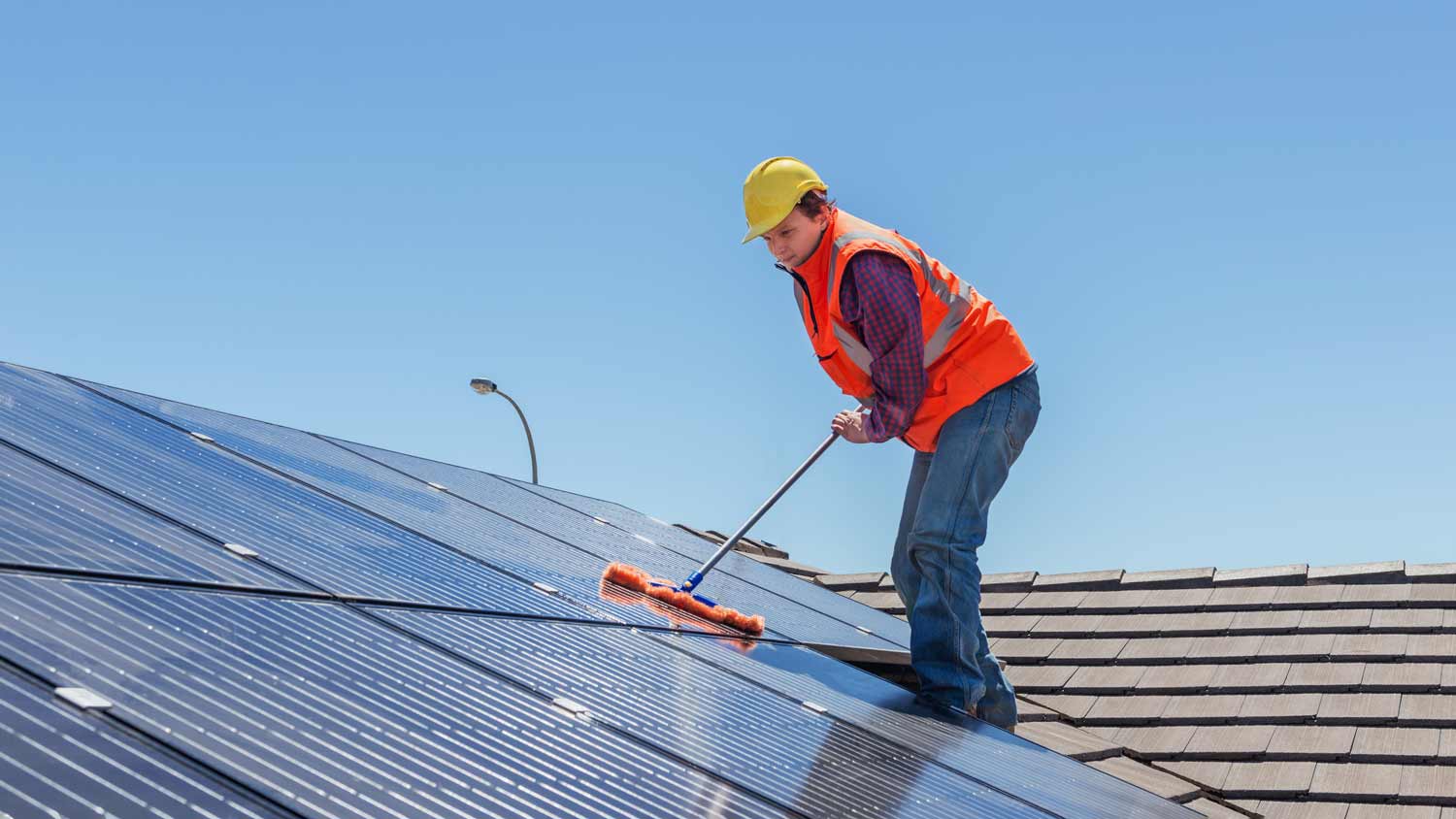
Yes, you have to get on the roof to cut a hole for solar tubing. It's not possible to complete the job from inside your house by simply cutting through the ceiling. So if you want to go the DIY route, remember to use safe ladder practices. If you’re not comfortable climbing on your roof to install solar tubes, hire a pro who has the tools and expertise to do the job safely.
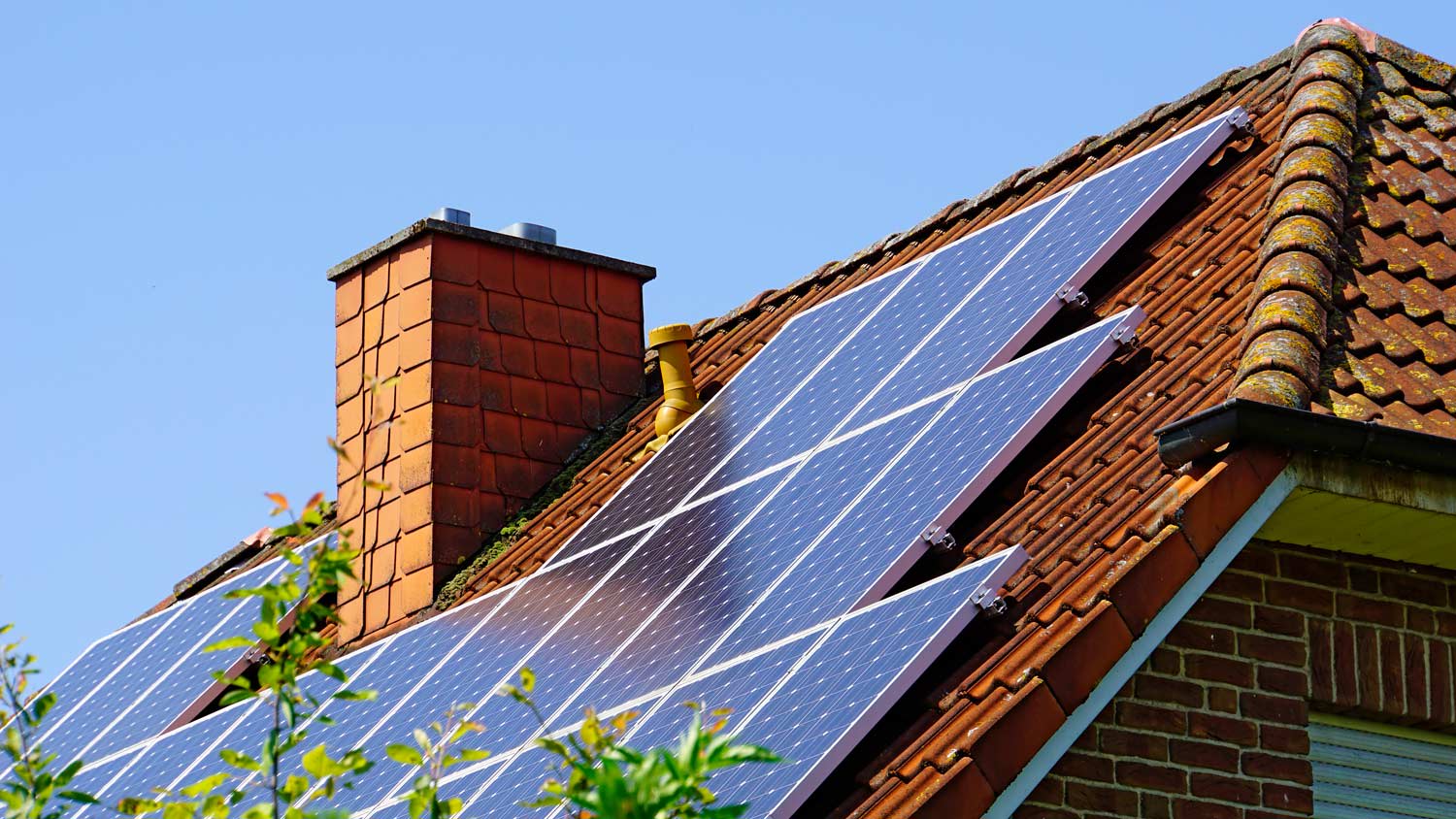
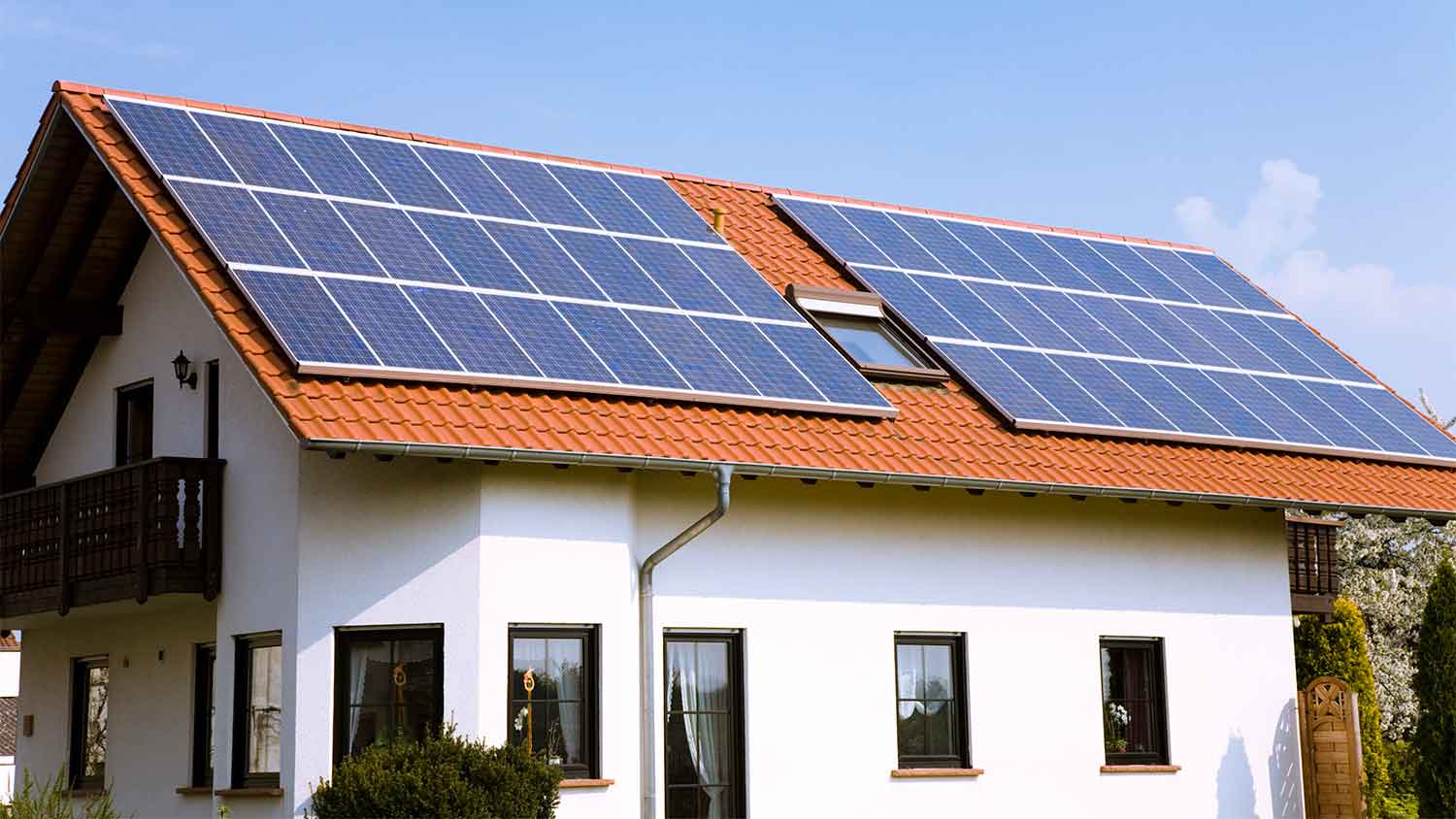
Not all homes are suited for solar panel systems. Older roofs or those in poor condition may need repairs or replacement before solar panels can be installed. Some other factors to consider are the amount of sunlight your roof receives, the roof’s orientation and pitch, and any shading from nearby trees or buildings.
Yes, you should tell your home insurance company about your solar panels. Even if you believe they’re covered by your existing policy, installing a solar panel system is a significant change to your home. This can affect coverage and premiums. By discussing your new solar panel installation with your insurance provider, you can be sure you have enough coverage and that the policy completely covers the panels against damage.
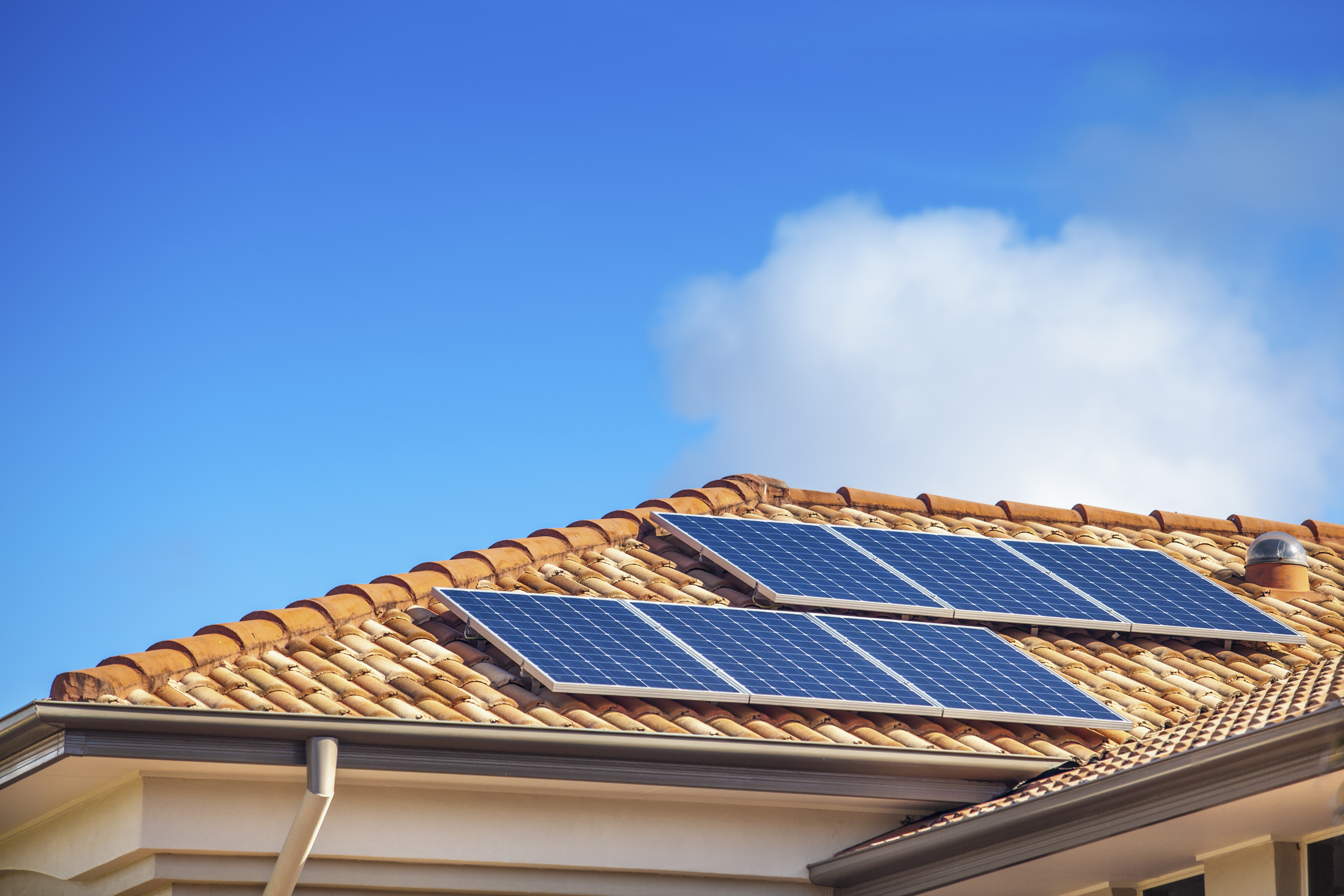
You can install solar panels on a flat or pitched roof, but keep in mind that they will need to rest at a 30- to 50-degree tilt for optimal sun absorption. It costs more to install solar panels on a flat roof because you will need to install a framing system and likely hire a structural engineer. If your roof has a pitch of more than 40 degrees, it may not be a good candidate for solar panels.
The Brookings, SD homeowners’ guide to solar panel services
From average costs to expert advice, get all the answers you need to get your job done.
There are a few factors to consider when it comes to solar panel repair costs. This guide breaks down the prices of solar panel removal, repair, and replacement.
Find out how much it costs to remove solar panels, including average prices, key cost factors, and tips to save money on your solar panel removal project.
There are three types of solar panels: monocrystalline, polycrystalline, and thin-film. Before choosing one for your home, here are the pros and cons of each.
If you’re making the switch to solar energy, you’ll want to know the difference between solar panels versus solar shingles. Here are the pros and cons of each.