




Blaue Painting
Exterior Surfaces - SandblastingExterior Surfaces - Sandblasting - For Business
Serving Brandon, SD and surrounding areas
In business since 2023
Free estimates
"Very well. They did a great job."
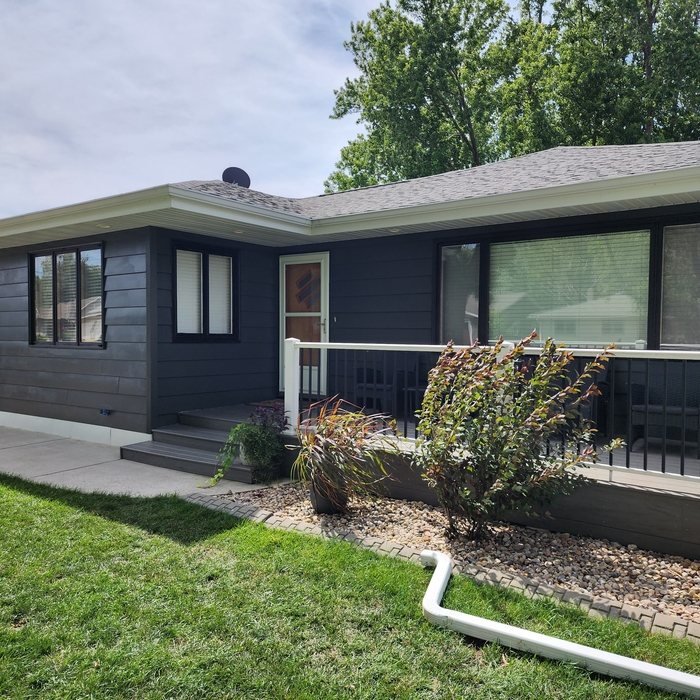
+69
Recommended by100%of homeowners

 4.9
4.9  36
36 *The Angi rating for Sandblasting Service companies in Brandon, SD is a rating based on verified reviews from our community of homeowners who have used these pros to meet their Sandblasting Service needs.
*The HomeAdvisor rating for Sandblasting Service companies in Brandon, SD is a rating based on verified reviews from our community of homeowners who have used these pros to meet their Sandblasting Service needs.
Last update on May 30, 2026
Serving Brandon, SD and surrounding areas
In business since 2023
Free estimates
"Very well. They did a great job."
+69
Serving Brandon, SD and surrounding areas
In business since 1989
Free estimates
Emergency services offered
"Very good! they were on time and professional. One thing that I enjoyed they cleaned everyday before leaving."
+2
From average costs to expert advice, get all the answers you need to get your job done.
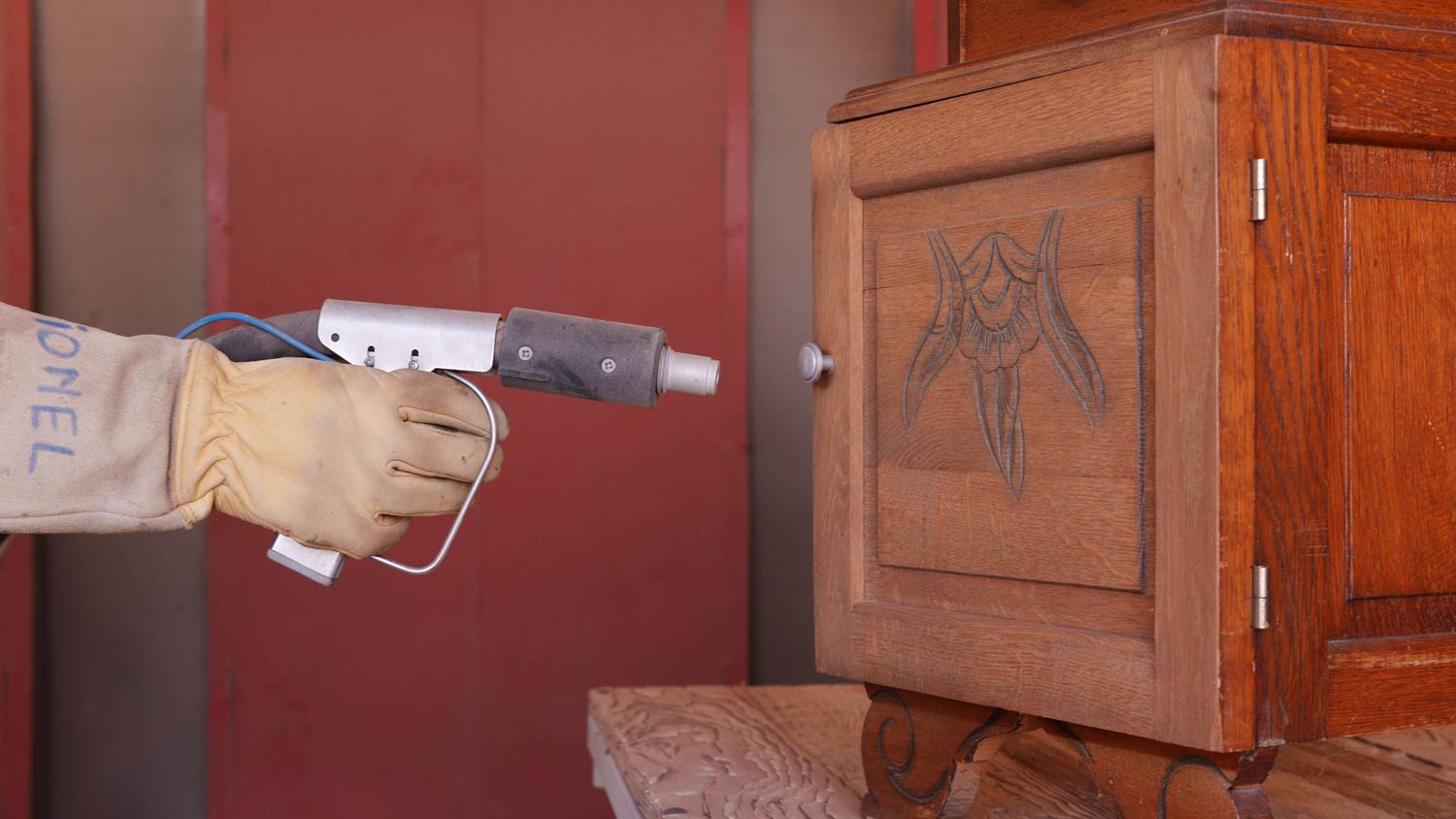
Sandblasting is a powerful method to remove paint, primer, and other coatings from hard surfaces. Learn the cost to rent a sandblaster and the factors involved.
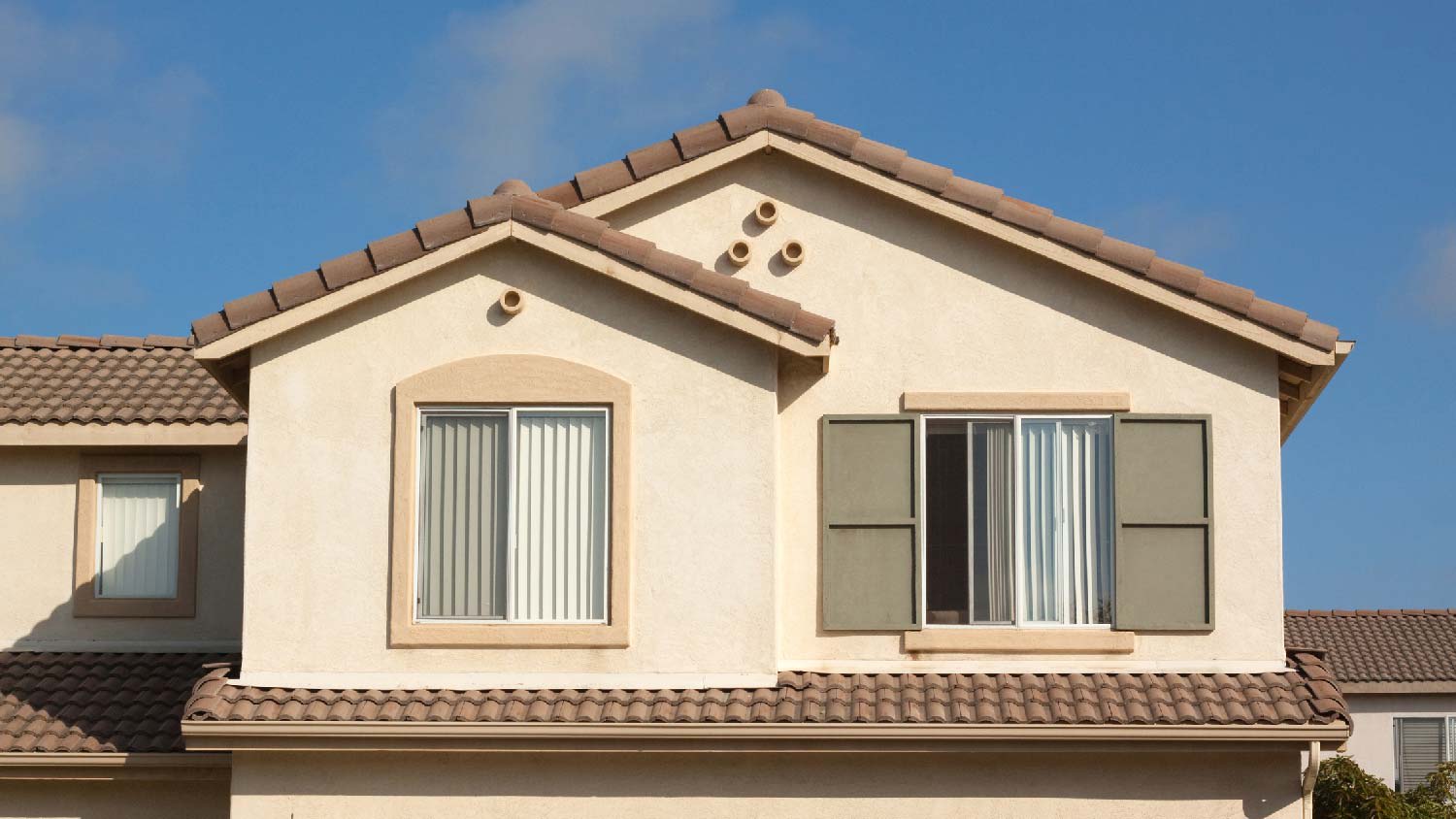
The cost to sandblast your home’s exterior or another surface on your property depends on the method and the materials you use. Learn more with this guide.
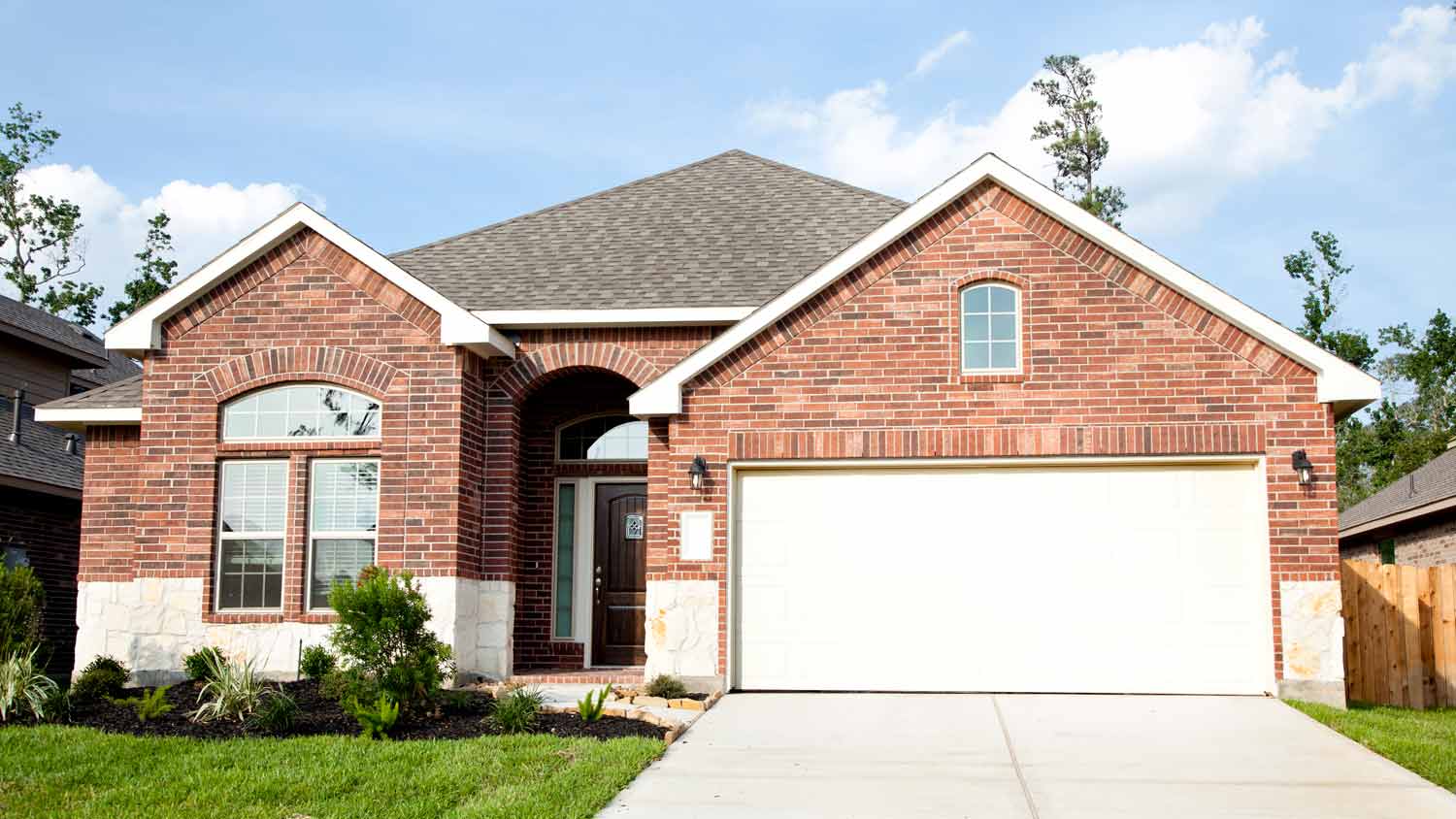
Wondering who to hire to sandblast? Learn how sandblasting services work, which contractors to call, and how to choose the right pro.
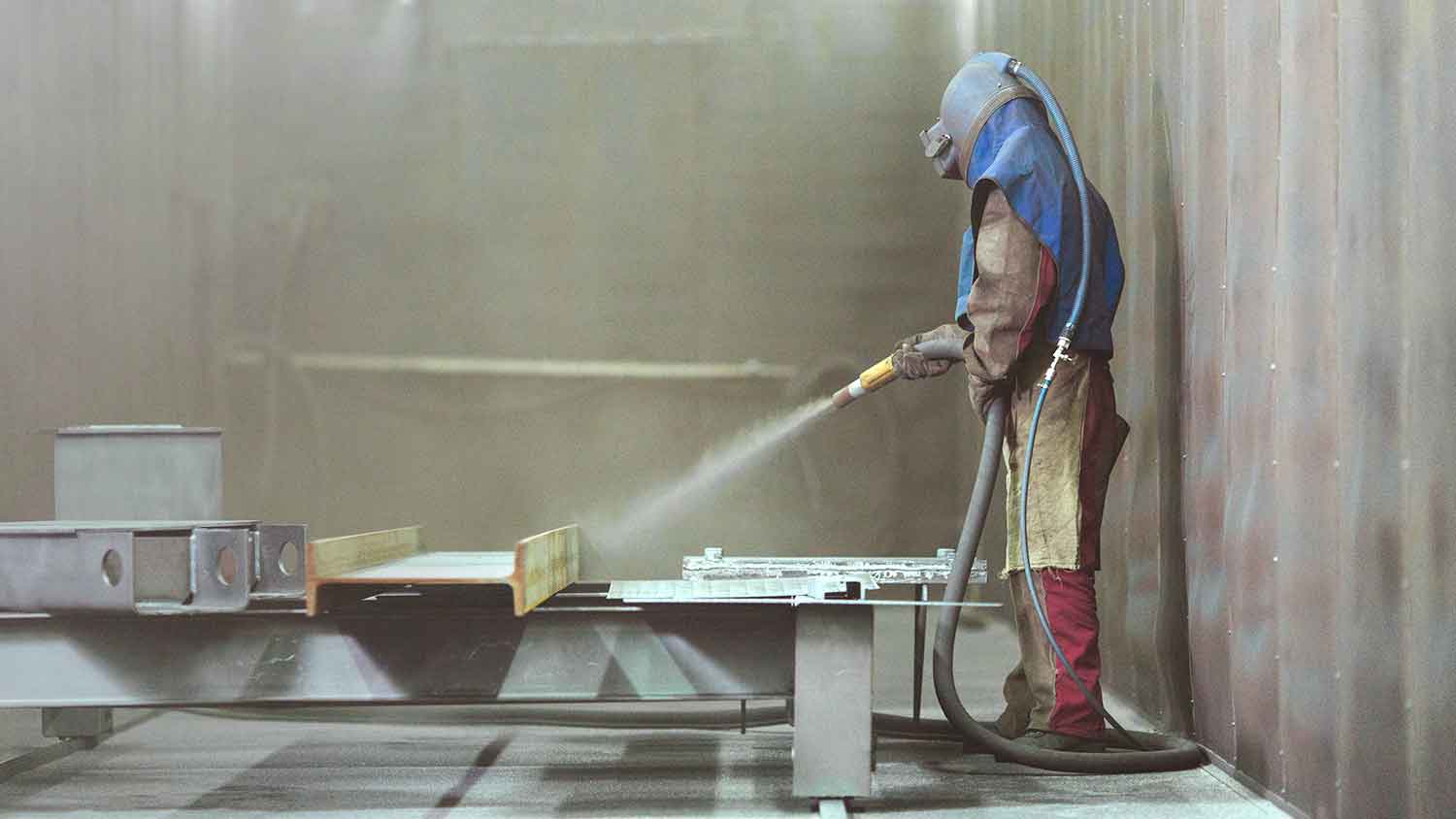
Learn how to hire a sandblasting pro for your project. Find qualified professionals, ask the right questions, and get expert surface cleaning.
Planning a sandblasting project to restore brick or metal? Learn about sandblasting costs, preparation steps, and how to hire the right local pro.