My names Cayden Shadoan, I’m 23 years old. I have a beautiful wife and daughter. I have a full time job as a pipe welder in Sumter South Carolina. I’m on here just looking to pick up a couple extra jobs here and there in hopes of starting my own business one day to be able to stay home with my family more. I can do pretty much anything that needs done in or around your house. Specializing in building fences or repairing fences, any kind of piping jobs, or any welding. Thank you for considering me to help you get what you need done. Hope to see you soon.
ShawleyWorks delivers dependable multi-trade services backed by real experience, professional equipment, and a strong work ethic. From facility maintenance and repairs to grading, land clearing, stormwater solutions, heavy equipment operation, and playground inspection, repairs and installation, we handle projects that require skill, versatility, and reliability. No shortcuts. No excuses. Just quality work done right.\n\n“Built on skill” “Driven on reliability”\n\n
Hello my name is Landen Hollis, and I have 2+ years of a combination of Commercial and Residential work. I have built homes from the ground up, including concrete work, framing, insulating, final work, ETC. I’m here looking to find additional work and grow my network.
Hello, my name is Kenny and I take pride in providing reliable, high-quality service for every customer. I believe in doing the job right the first time and treating every home with the same care and respect as if it were my own.\nI’m dependable, detail-oriented, and focused on delivering honest work at fair prices. Whether it’s small repairs, maintenance, or improvement projects, my goal is always to make sure my customers are satisfied and confident in the work that’s done.\nVeteran-owned business committed to honest work, fair pricing, and dependable service
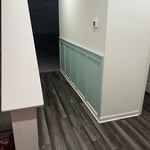
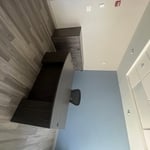
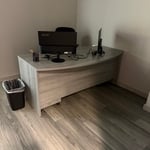
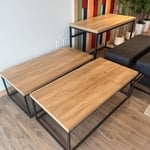
Hi, my name is Romane, and I’m the owner of a reliable and detail-oriented handyman and home improvement business. I specialize in a wide range of services including drywall repair, painting, furniture assembly, installations, and general property improvements for both residential and commercial spaces.\n\nI take pride in delivering high-quality work, being dependable, and making sure every job is done right the first time. My goal is to make the process easy for my clients by providing clear communication, fair pricing, and professional results you can trust.\n\nWhether it’s a small repair or a larger project, I treat every job with the same level of care and attention to detail. I’m always happy to come out, take a look at what you need, and provide honest recommendations.\n\nFeel free to reach out anytime—I look forward to working with you
Palmetto & Pine Services Co. is a veteran-owned property services company serving residential and commercial clients across the Carolinas. We provide reliable junk removal, hauling, pressure washing, yard cleanup, delivery assistance, and property support services. Our team is built on discipline, pride, and accountability. We treat every job as if it were our own property. Quality work. Clear communication. No shortcuts.
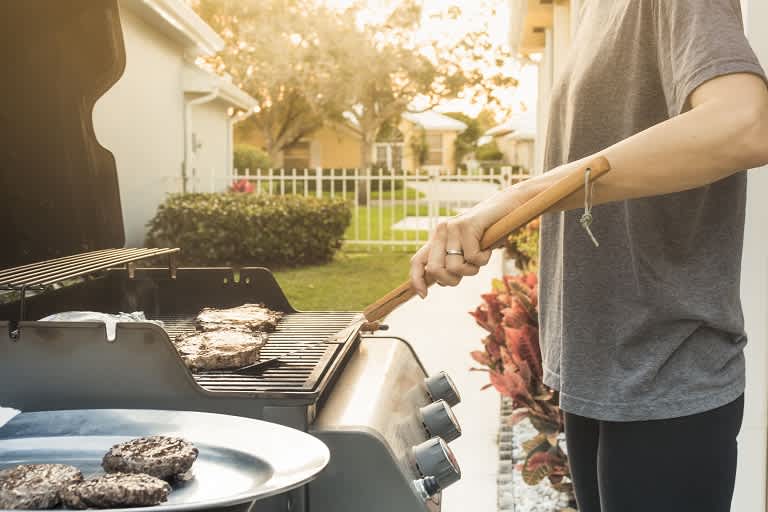
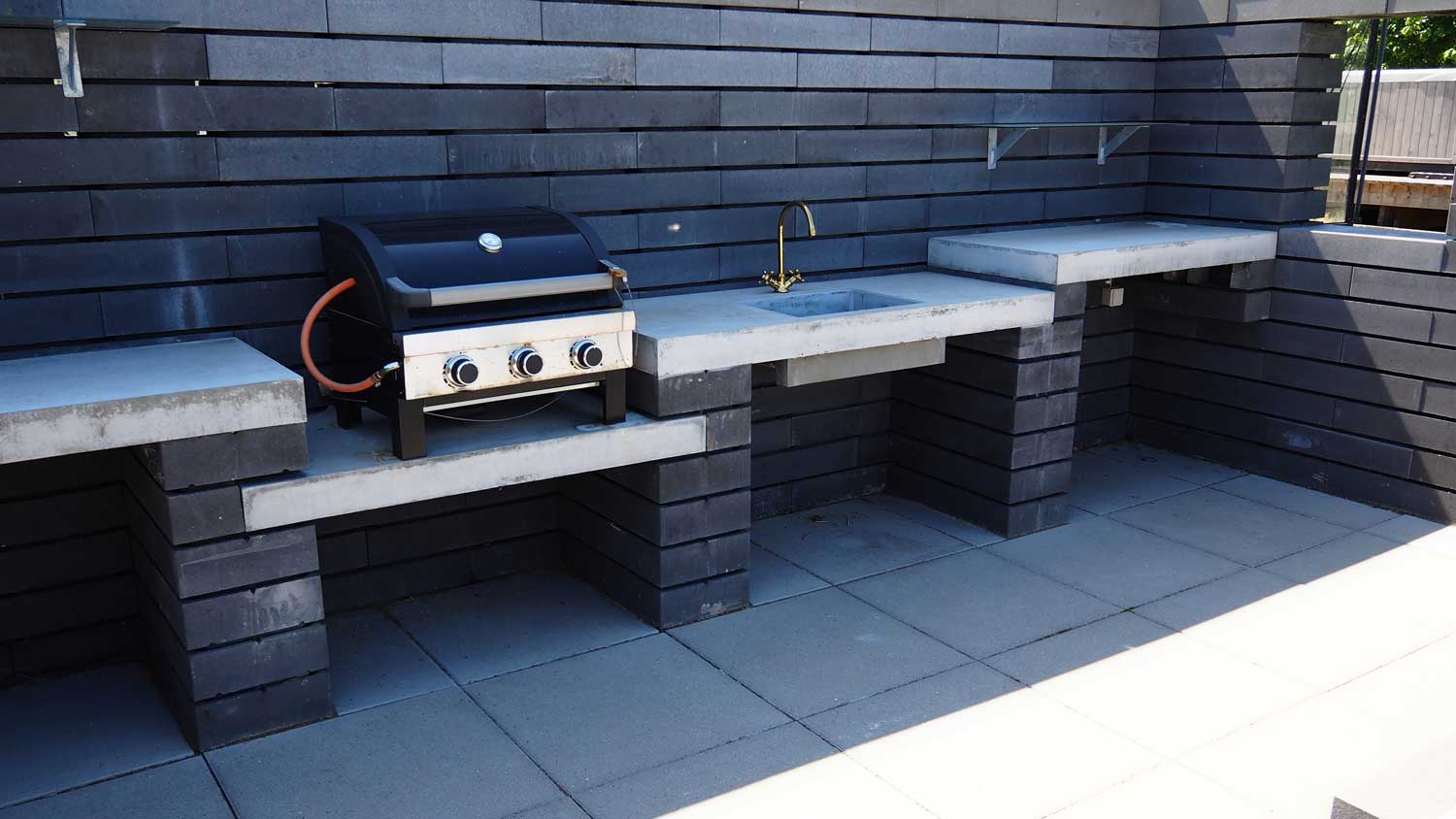
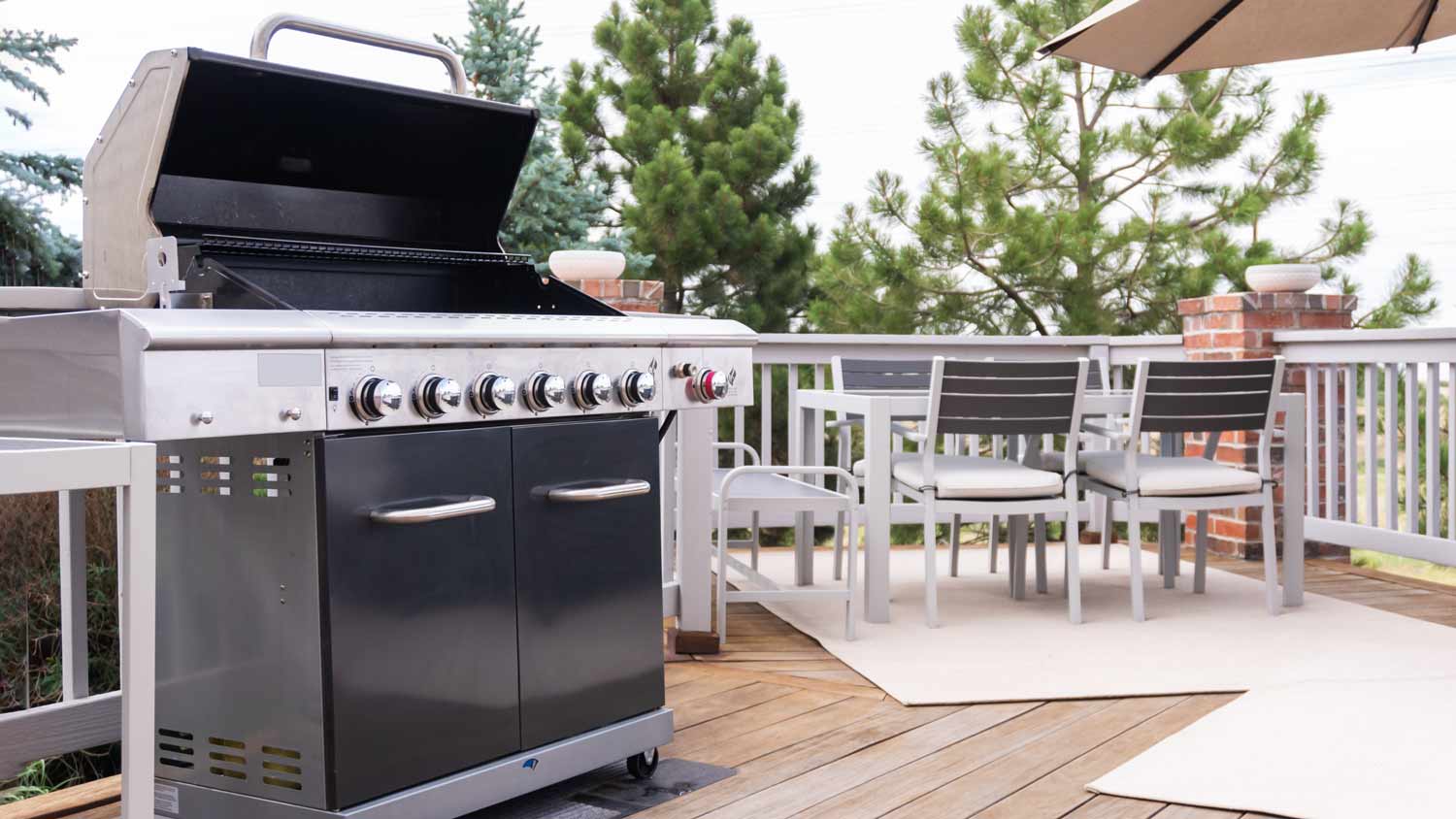
The difference between a built-in and regular grill is installation and design. A built-in grill is integrated into an outdoor kitchen or structure, often within a countertop or island. It is a permanent fixture. A regular grill is standalone, portable, or cart-mounted, allowing mobility and versatility in placement. Built-in grills are typically larger with more cooking space, while regular grills come in various sizes. Built-in grills are favored for creating a custom outdoor cooking area, while regular grills provide convenience and flexibility.
No. Placing a built-in grill against the house is discouraged due to safety concerns. Building codes and regulations often require a minimum distance (typically 10 feet or more) between a gas grill and any combustible structure, including a house. Placing a grill too close poses a fire hazard and risks damage to the siding or structure, potentially leading to carbon monoxide buildup. It's essential to consult local building codes, follow manufacturer guidelines, and prioritize safety by positioning the grill at a safe distance, ideally in a well-ventilated outdoor kitchen or designated grill area.
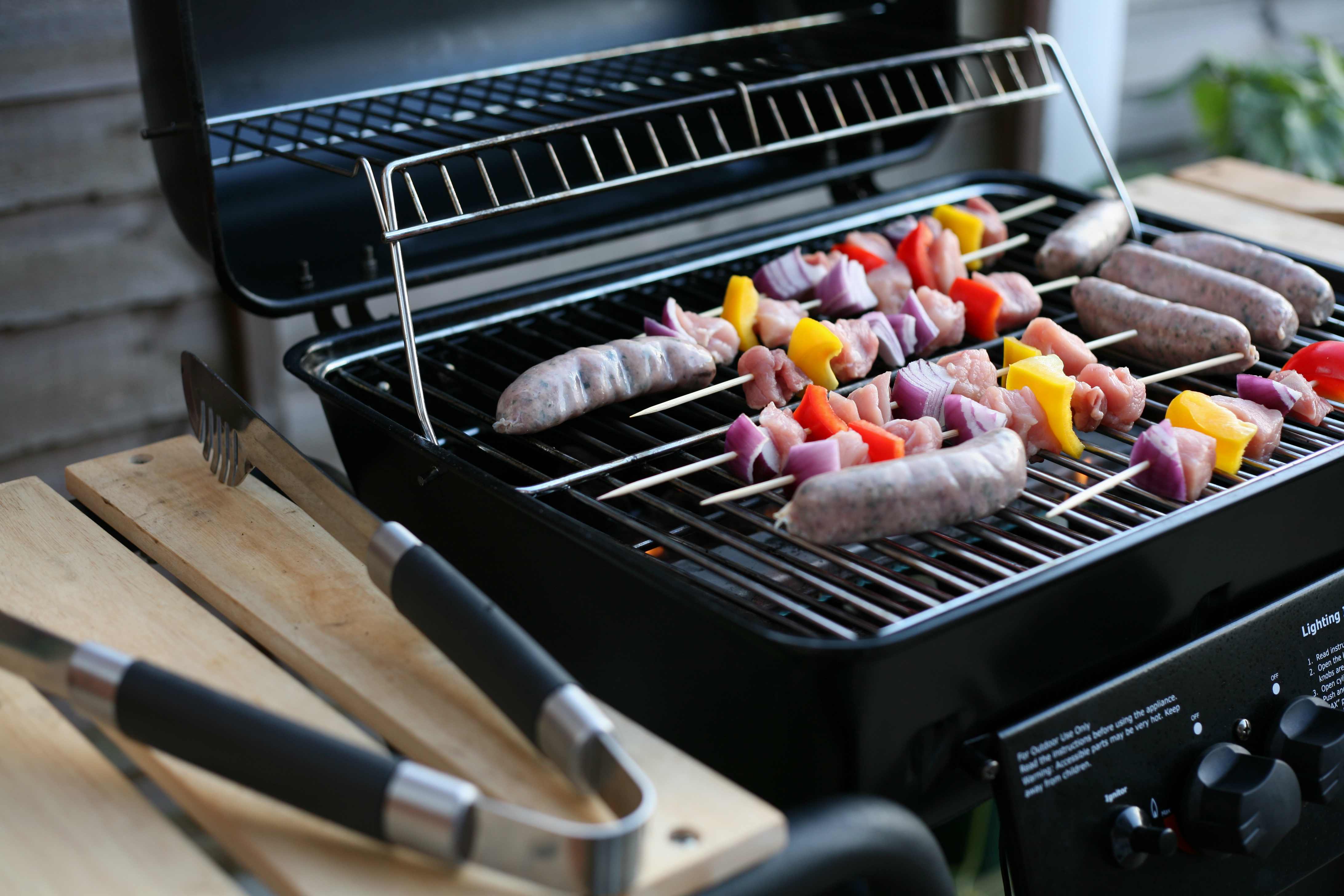
A few potential problems can cause your gas grill to stop working:
Burners aren’t properly aligned.
Food debris is clogging the burners.
Hose connections may be blocked.
Burners may not be getting enough gas.
Gas valve is not working properly.
If you’re experiencing any of those problems with your gas grill, hire a local grill repair professional to inspect your grill for issues and implement a plan to resolve them.
While it’s possible to repair minor grill issues like replacing a burner, more serious issues are clear indicators that you need to replace the entire unit. A few signs that your gas grill may be at the end of its life span and it’s time to consider replacing it include:
Rusty or cracked firebox
Weak, yellow, or uneven flames
Flaking, cracking grates
Leaking or cracked propane hoses
Failing igniter
Heavy buildup of grease
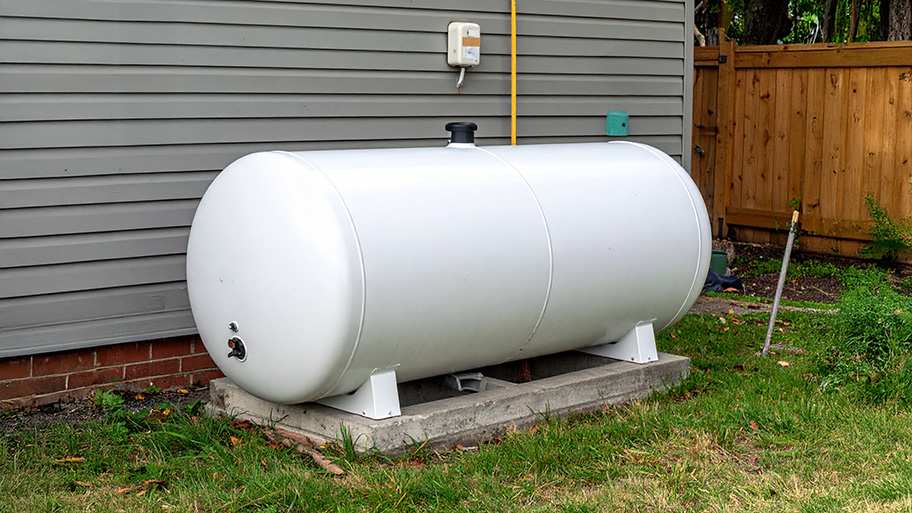
Most likely, a gas plumber would be the best pro for many components in your home, and you might not even realize it. Natural gas plumbers are responsible for maintaining and installing natural gas lines, including installing appliances that use natural gas. These can include:
Fireplaces
Water heaters
Furnaces
Hot tubs
Clothes dryers
Ovens
Outdoor grills
Gas plumbers are also the pros that would handle a natural gas leak in your home, so it's essential to know the signs of a gas leak before it becomes a dangerous situation.
The Trio, SC homeowners’ guide to grill assembly services
From average costs to expert advice, get all the answers you need to get your job done.
Planning a new outdoor cooking space? Learn everything you need to know about gas grill installation costs, setup options, and how to hire a local pro.
Don’t leave your grill behind when moving house. Learn how to move a grill safely so you can enjoy a home-cooked meal on your first night in your new place.