





Top-rated structural engineers.

Get matched with top structural engineers in Bennettsville, SC

Enter your zip and get matched with up to 5 pros

Need a pro for your structural engineering project in Bennettsville, SC?

Select your specific project to find the pro for you.

Find Structural engineers in Bennettsville

Avatar for Family Safe Southeast
Family Safe Southeast
5.0(
3
)

Serving Bennettsville, SC and surrounding areas

In business since 2011

Free estimates

Credit card accepted

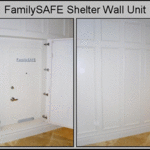
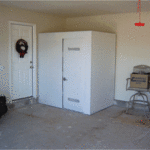
"Saw display at home and garden show.  Researched product and company, then ordered 4X4 shelter via telephone.  Company provided additional details about testing and certification IAW FEMA standards upon request.  Delivery and installation were on time and as promised."
.
.
.
Recommended by100%of homeowners
Structural Engineering questions, answered by experts

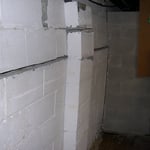
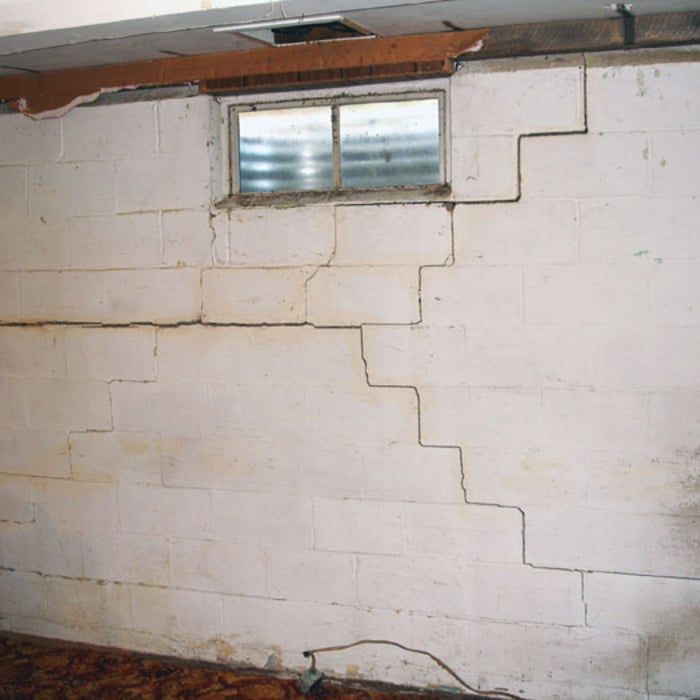
Many horizontal cracks in home foundations result from water and soil pressure from outside of the building or from a footing that is shifting. Under those circumstances, horizontal cracks are a structural problem that requires repair before they become worse and more difficult to fix. However, in very specific cases, thin horizontal cracks may simply be a cosmetic blemish due to concrete shrinkage.

Signs of structural damage include foundation cracks, roof leaks, bouncy floors, crumbling concrete, and cracked or leaning chimneys. Structural damage can make itself apparent in various ways, and sometimes, there may not be obvious signs. Inspect your foundation and roof annually to stay ahead of potentially serious structural problems. 

A freestanding brick wall that's only one brick thick can usually stand six to eight feet high. If you need a higher wall, it should be at least two bricks thick for adequate stability, and it might require a footing to support the added weight. Additionally, some areas have regulations and codes dictating how high a brick wall can be, so check with local code enforcers to ensure your proposed wall complies with any regulations.

Structural engineers typically conduct inspections during a home sale or renovation, looking for signs of structural damage in various structures throughout the building, such as load-bearing walls, joists, beams, roofing trusses, foundations, and chimneys. Some of the warning signs that structural engineers check for include:

  • Dry rot

  • Infestation

  • Shifting or cracking foundations

  • Erosion

  • Water damage

  • Sagging, shifting, or damaged walls, ceilings, or roofing support

The depth of any foundation style depends on your climate and how deep the frost line is, as building code requires that the footers of a foundation—which are built into a monolithic slab—sit at least a foot below the frost line. At the southern tip of Florida, for example, a monolithic slab foundation would only need to sit 12 inches under the soil at the widest parts. On some parts of the Canadian border, the frost line is 100 inches, which would mean a minimum of 112 inches, which is prohibitively deep for a monolithic slab.

The Bennettsville, SC homeowners’ guide to structural engineering services

From average costs to expert advice, get all the answers you need to get your job done.

What do you need done? We’ll find top pros.
  • 🌱 "Mow a small front yard"
  • 🛠 "Fix a leaking pipe under the sink"
  • 🏠 "Repair shingles on an asphalt roof"