


Top-rated arborists.

Get matched with top arborists in Windber, PA

Enter your zip and get matched with up to 5 pros

Need a pro for your arboricultural service project in Windber, PA?

Select your specific project to find the pro for you.

TRUSTED BY WINDBER, PA HOMEOWNERS

  • Average homeowner rating star icon4.5
    Average homeowner rating
  • Verified reviews icon49
    Verified arboricultural services reviews

Find Arborists in Windber

Avatar for Twin Maple Tree Care
Twin Maple Tree Care
5.0(
10
)
Tree Removal - For Business

Serving Windber, PA and surrounding areas

Approved

In business since 2012

Free estimates

Customers say: Quick response

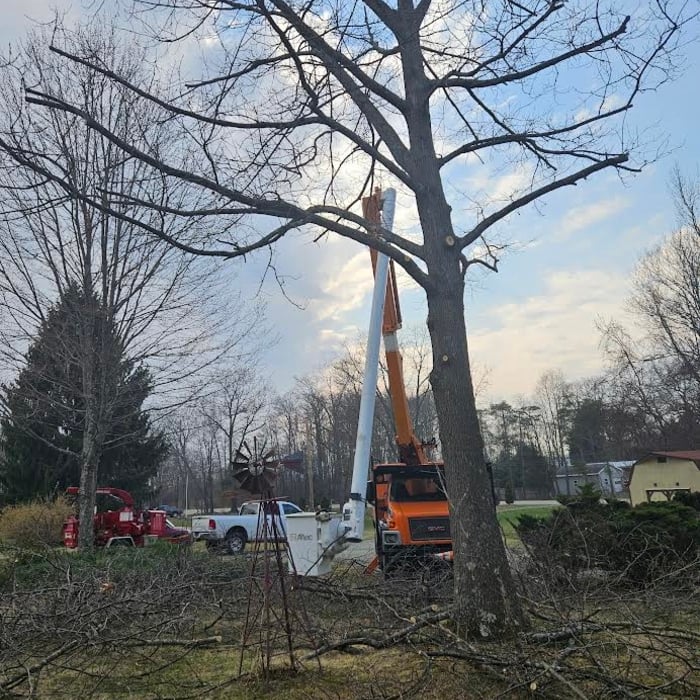
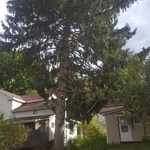
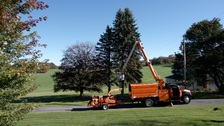
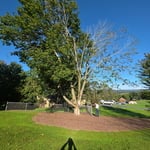
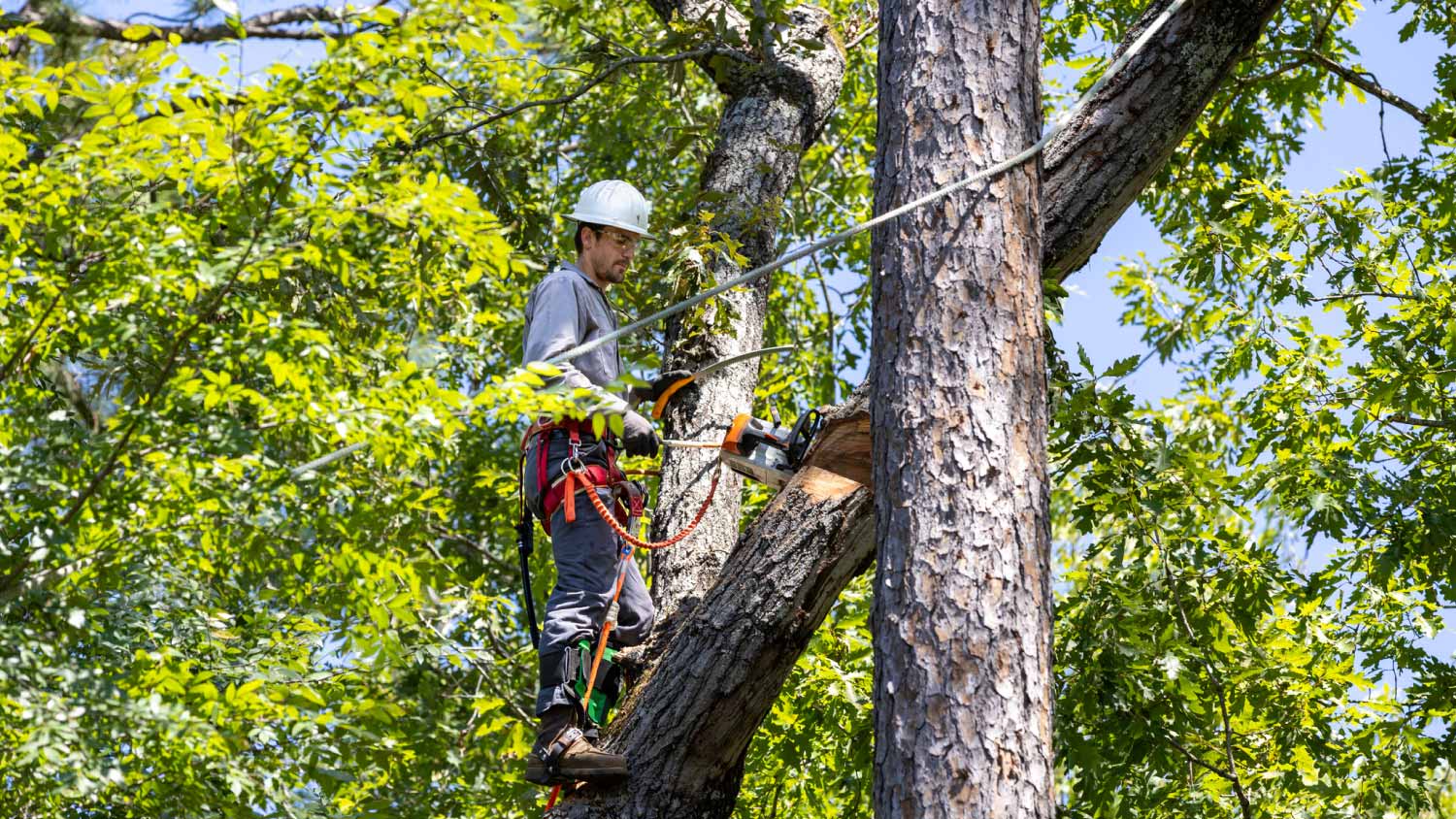
"I would highly recommend Twin Maple Tree Care. Very friendly, reliable, hard workers. They did a fabulous job cutting down a huge pine tree on our property. They we very professional and cleaned the property when they were finished. We will definitely use their service again."
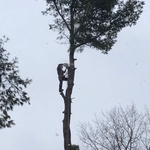
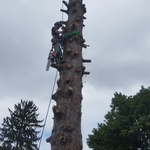
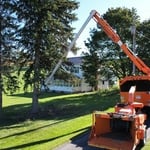
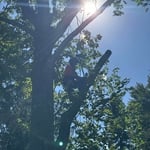
up in the tree
hard at work
100 ft pine
Dustin
Response time5 hrs
Recommended by100%of homeowners
Showing 1-10 of 50
Arborists questions, answered by experts

A tree can grow back from its stump, but full regrowth is unlikely (especially for more stubborn conifer trees). Instead, trees are more likely to send up a number of shoots from the dead stump, which will try to develop into primary stems over time. In other words, it will start to look increasingly bushy. The goal of killing and drying out a tree stump is to prevent that from happening, as well as make the stump easier to completely remove.

It is possible to cut down a tree on your property yourself, but it is generally not recommended unless specific conditions are met. You should only consider this project if the tree is small (e.g., under 4-5 inches in diameter and short enough that you don't need a ladder to reach the branches), and you are experienced in handling a chainsaw. The tree must also be located far from any power lines, fences, homes, or other structures. Even for small trees, the work can be dangerous, and it's always advisable to have a spotter to ensure the tree falls correctly and no branches fall on you.

For any tree that is large, requires a ladder to access, or is near electrical lines or structures, you should always hire a professional. Attempting to remove a large tree yourself is extremely dangerous, poses a risk of serious injury, and could result in significant damage to your property.

Before any tree removal, it's also important to check your local and state regulations to ensure the tree is not historic or otherwise protected by your city.

Cutting down a tree next to power lines is never a DIY job, and it’s a good idea to contact your utility company first. In most cases, the utility company will need to take care of any tree problems within 10 to 15 feet of power lines. If you want to remove the tree for aesthetic reasons, hire a pro to do the job. Trying to cut trees near power lines yourself can create many safety hazards, and you could be liable if you inadvertently cause damage to electrical equipment.

The ideal depth of a tree notch depends on the tree, but it should usually be between 20% and 25% of the tree’s depth. However, if the tree is leaning towards the direction of the notch, it can be cut more shallowly—at as little as 10% of the depth. When the tree is leaning away from the direction it needs to be felled, you can cut deeper, closer to 30%.

Yes, it is essential to confirm that any tree service company you hire is properly insured before they begin work. Tree removal, trimming, and pruning are dangerous jobs, and proper insurance protects you, your home, and the company from liability in case of accidents or damage. Look for a company that carries both general liability and workers’ compensation insurance, and do not hire one that cannot provide proof of coverage. When browsing for professionals, you can look for indicators like an “Angi Approved” badge, which signifies that the business meets standards like holding applicable licenses and passing a background check. Keep in mind that a license is a legal requirement to operate, while certifications are typically voluntary.

The Windber, PA homeowners’ guide to arboricultural services

From average costs to expert advice, get all the answers you need to get your job done.