





Top-rated fountain pros.

Get matched with top fountain pros in Wilcox, PA

Enter your zip and get matched with up to 5 pros

Need a pro for your fountain service project in Wilcox, PA?

Select your specific project to find the pro for you.

Find Fountain pros in Wilcox

Avatar for CanDoKen&Son
CanDoKen&Son
2.8(
29
)
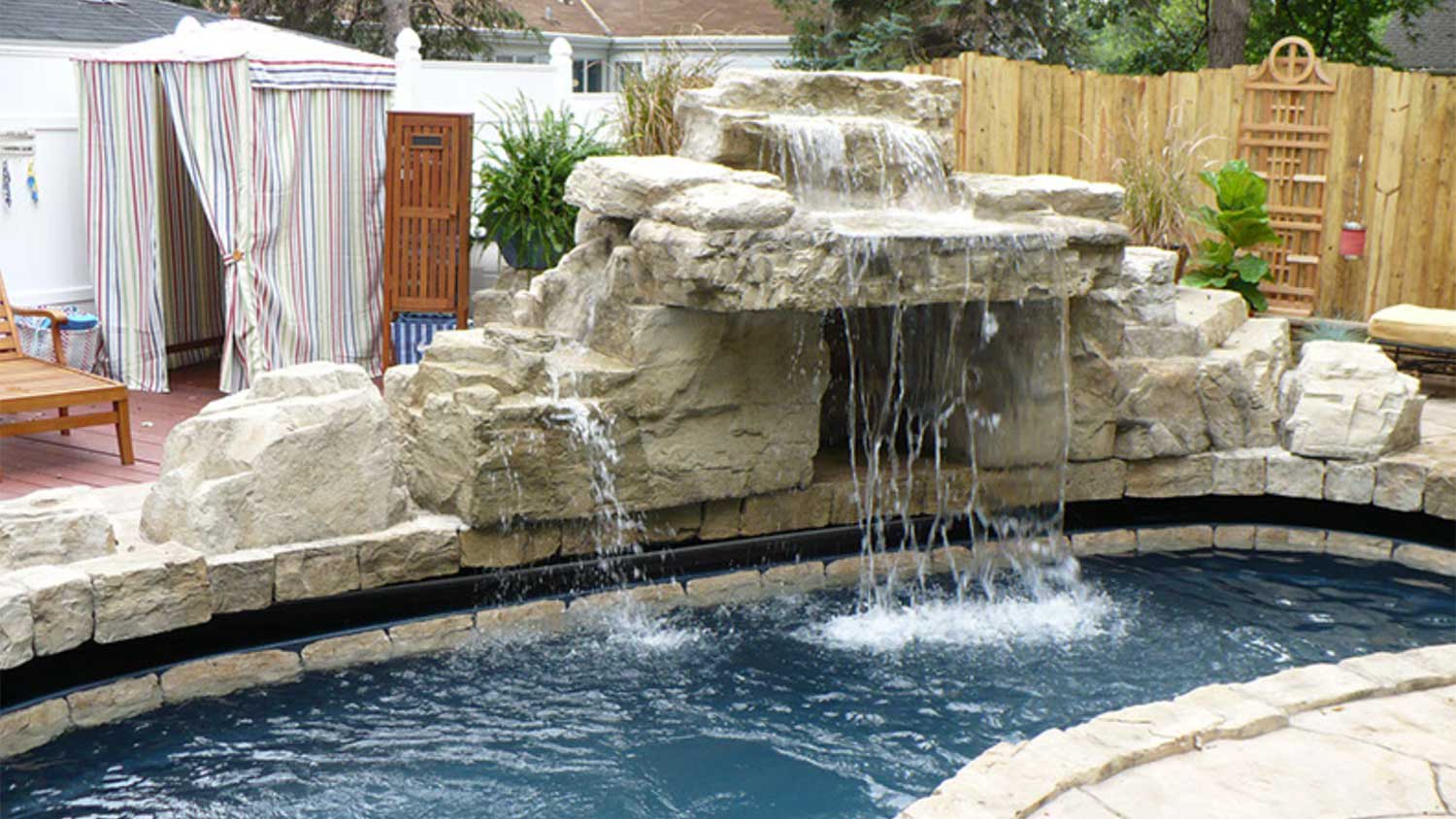
Water Feature - Install a Fountain or Waterfall

Serving Wilcox, PA and surrounding areas

In business since 1993

Free estimates

Emergency services offered

"Very well. I really admire Ken because he traveled a long, long way to do this work. He is very thorough and identified a much larger problem than the one I thought I had. Ken does nice work and sincerely tries to help. The only knock I have is that he was 2 hours late to the appointment. In fairness to him, he had to travel at least an hour to get to me and was unfamiliar with the roads, and he did keep in contact. That said, he was late starting the job."

Additional Photos
Additional Photos
Additional Photos
Additional Photos
Additional Photos

+11

Recommended by75%of homeowners
Fountains questions, answered by experts

When deciding whether or not to turn off your pump, you should consider your area’s climate and the aquatic life in your pond. If you live in an area with freezing winter temperatures and don’t have any wildlife, keeping your pump on could damage it. If you have aquatic life but live in a colder climate, you might consider keeping your pump running and adding a pond heater.

In addition to length and width, pond liners also come in various thickness levels. Thickness is measured in mils, a unit of measurement equal to one-thousandth of an inch, with most pond liners ranging from 15 to 60 mils in thickness. The smaller the number, the thinner (and weaker) the liner. To prevent rips and tears, it’s best to choose a pond liner that’s at least 30 mils thick.

Placing your water feature in direct sun can speed up evaporation, leading to pump damage and algae growth. Shade or partial shade serves as the ideal location for most water features—just watch out for tree and plant debris that may fall in and clog the pump.

Most outdoor water fountains and features do not use a lot of electricity, typically consuming between 100 and 250 watts per day. The size of the fountain's motor can impact its overall electricity usage. To reduce energy consumption, you can use a timer to automatically turn the fountain off at night or when you are away from home. Additionally, installing solar power components can help lower electricity costs after the initial investment is recouped.

Smaller, pondless water features like bird baths, self-contained fountains, and bubbling rocks are much lower maintenance than their counterparts that include ponds. Pondless features help you avoid high pond maintenance costs and allow you to spend more time enjoying the water feature and less time on upkeep.

The Wilcox, PA homeowners’ guide to fountain services

From average costs to expert advice, get all the answers you need to get your job done.