






Top-rated carpet installation pros.

Get matched with top carpet installation pros in Riverside, PA

Enter your zip and get matched with up to 5 pros

Need a pro for your carpet installation project in Riverside, PA?

Select your specific project to find the pro for you.

Find Carpet installation pros in Riverside

Avatar for Quality Hardwood Flooring LLC
Quality Hardwood Flooring LLC
5.0(
6
)

Serving Riverside, PA and surrounding areas

In business since 2019

Free estimates

Credit card accepted

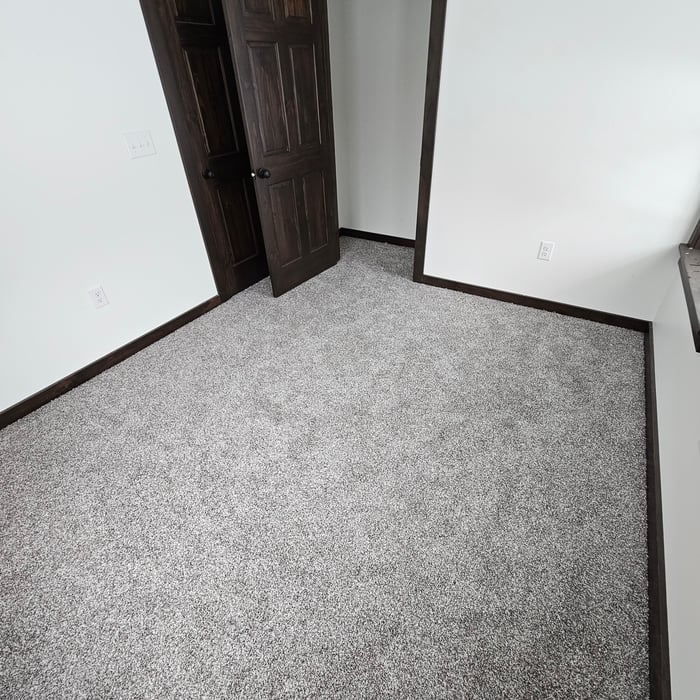
"Team is excellent - refinished 1 room, stairs and a hallway for us. The results were outstanding - we hired again to refinish 3 other rooms. Will definitely hire in the future for any news flooring installs"
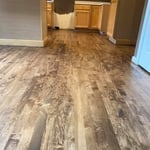
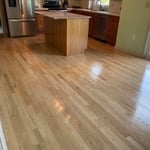
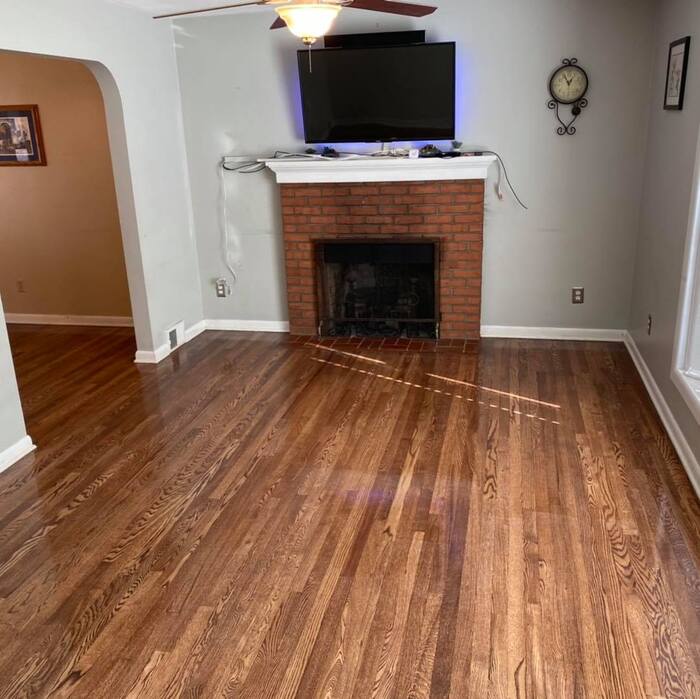
Additional Photos
Additional Photos
Additional Photos
Additional Photos
Additional Photos

+15

Recommended by100%of homeowners
Showing 1-10 of 44
Carpet Installation questions, answered by experts

It is not recommended to install or stretch a carpet without a power stretcher. Skipping essential tools like a power stretcher and a knee kicker will likely result in an improper installation, leaving you with wrinkles, creases, and an unappealing final look. While a knee kicker can provide some limited stretching for thinner carpets, it is not a proper substitute. Attempting to stretch a carpet by hand or with homemade tools can also shorten its lifespan. For the best results, you should buy or rent a stretcher. If you do not want to use a stretcher, it is better to hire a professional for the installation.

The best underlayment for carpet on concrete is a sponge rubber underlayment. This type of carpet padding is durable enough to endure wear and tear on hard concrete yet soft enough to provide comfort underfoot. It also creates insulation from sound and temperature, providing warmth despite the concrete’s cold surface.

In most cases, you do not need to put padding or underlayment under carpet tiles. Unlike traditional carpet, which requires a separate pad, carpet tiles are designed to be installed directly onto a firm subfloor like plywood, concrete, or tile. Many carpet tiles come with a built-in underlay and attach with peel-and-stick adhesive, double-sided carpet tape, or glue. For a more comfortable, cushioned feel, especially in residential settings, you can opt for padded carpet tiles that have a thicker underlay attached. While it's generally not recommended to install a separate pad, a compact underlayment might be used in some situations, though this typically requires professional installation. An acoustic underlay may also be considered in commercial spaces or multi-level homes where noise reduction is a priority.
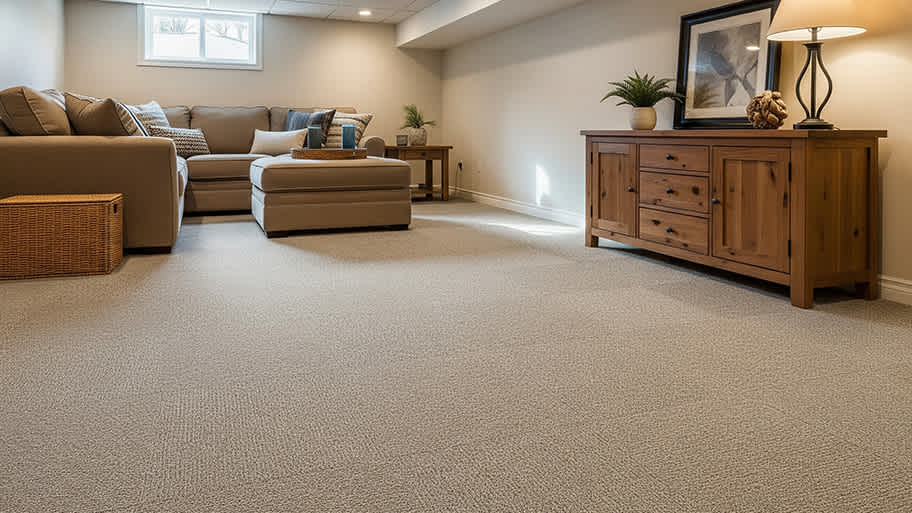
If you’re using a carpet runner instead of a traditional carpet, pay attention to your width measurements. Instead of measuring the total width of your staircase with 2 added inches for foldover, simply measure the width you’d like the runner to cover. Runners generally come in standard sizes, so you may need to approximate what would look best in your space.
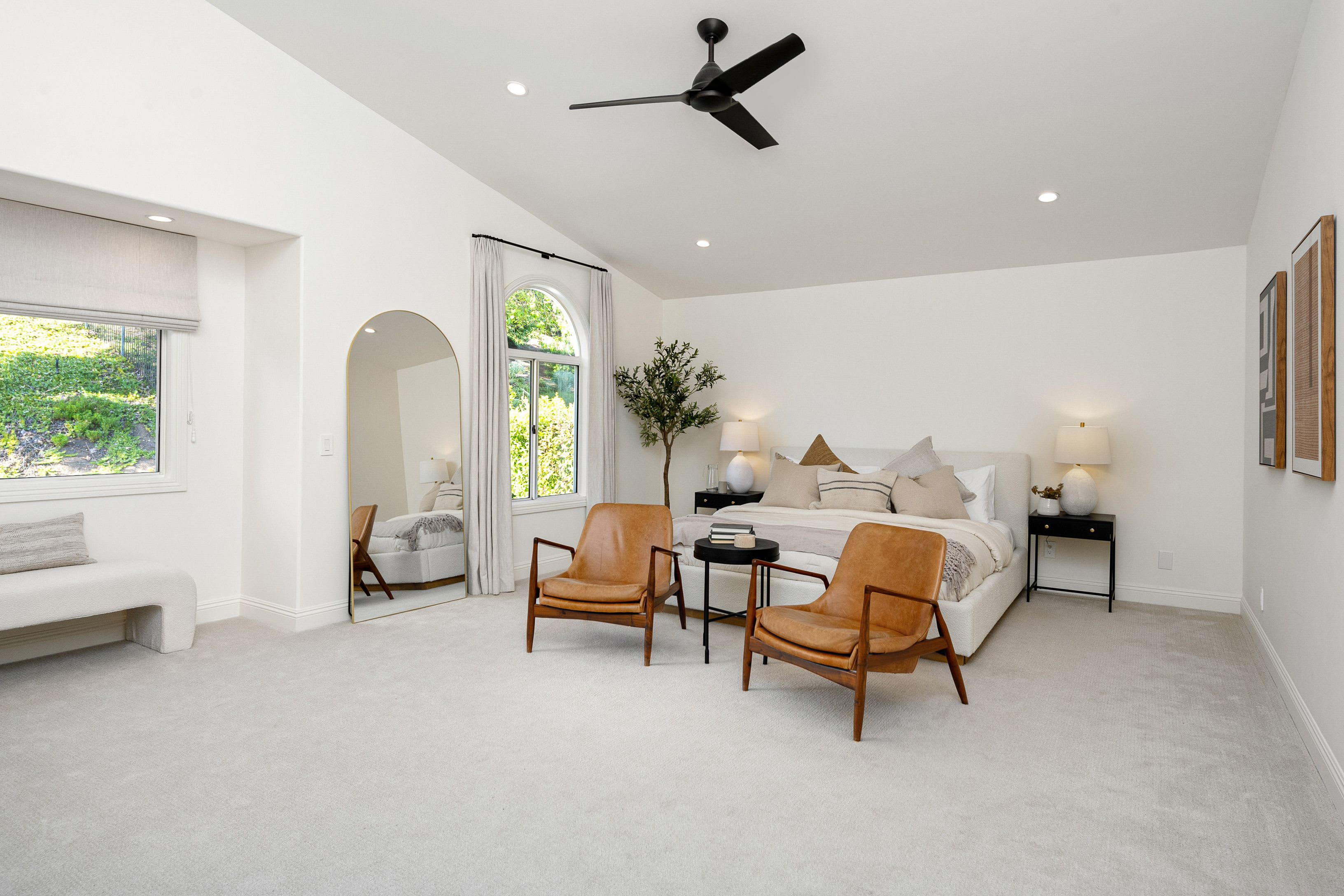
You can expect your carpet protection to last about six months to two years. It will last longer in low-traffic areas (compared to busy areas, where your carpet experiences more wear and tear). Once the protector wears off, you’ll need to call your carpet contractor to reapply the stain protection treatment and revive your carpet

The Riverside, PA homeowners’ guide to carpet installation

From average costs to expert advice, get all the answers you need to get your job done.