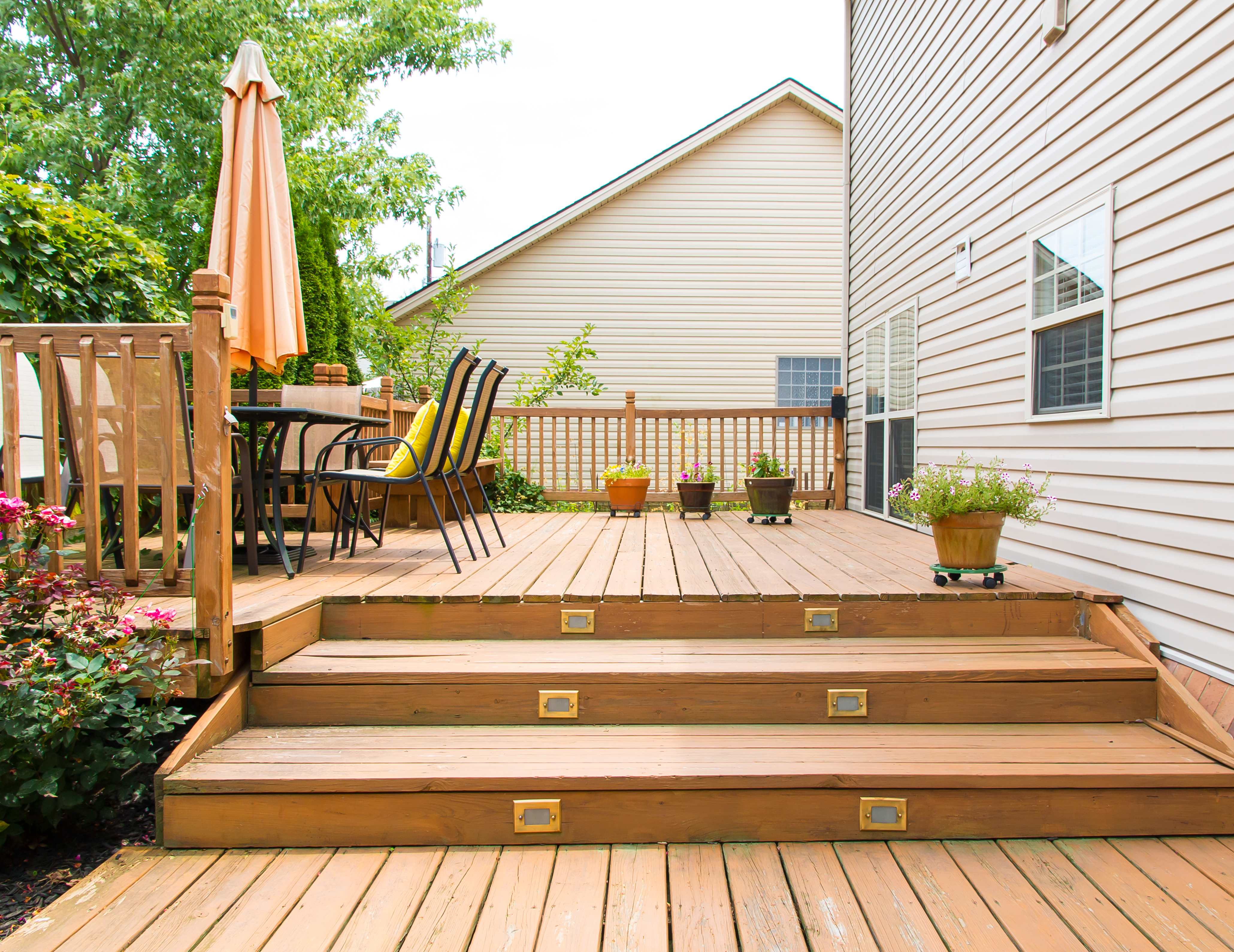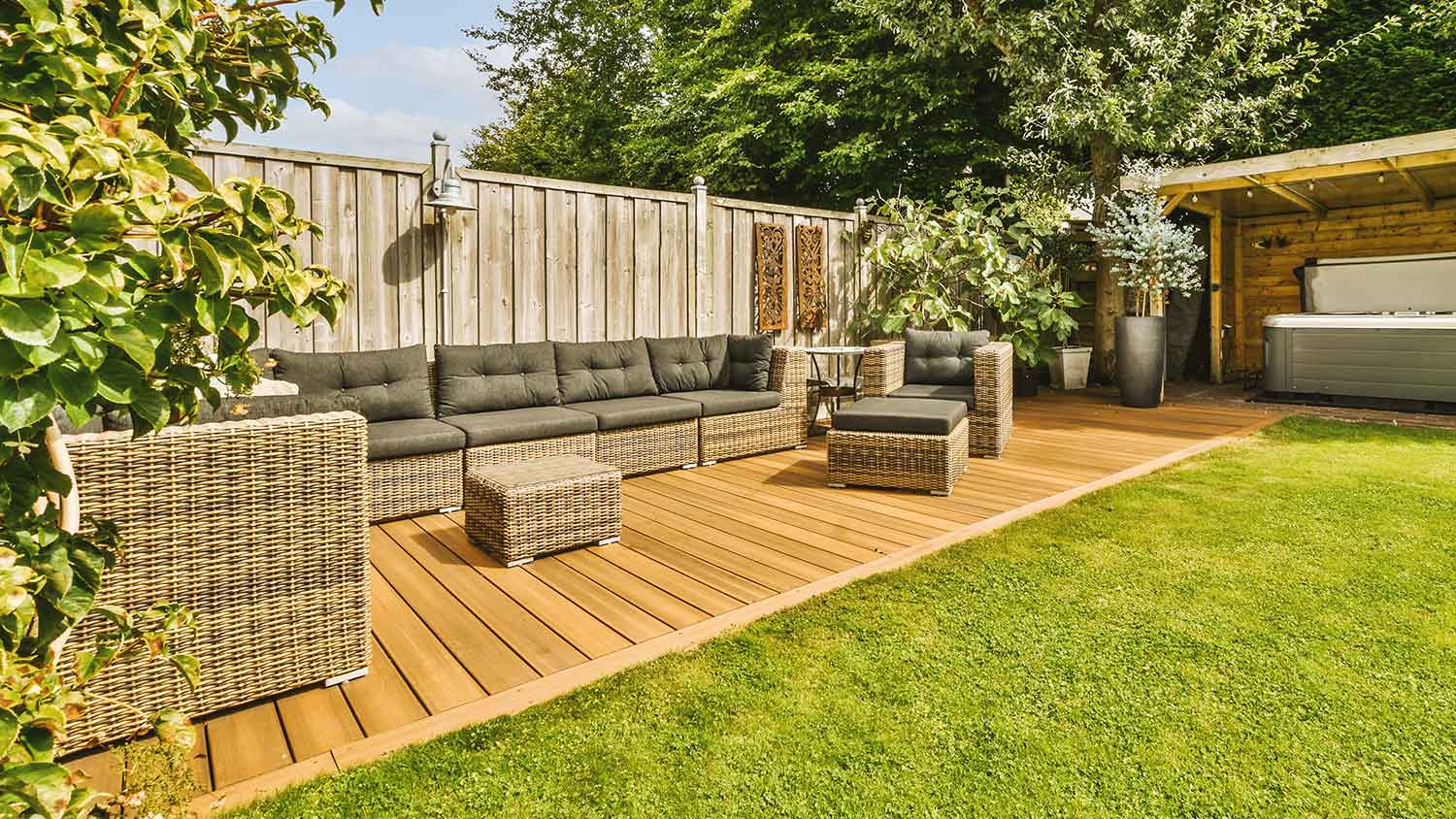



Top-rated deck staining pros.

Get matched with top deck staining pros in Milton, PA

Enter your zip and get matched with up to 5 pros

Need a pro for your deck staining project in Milton, PA?

Select your specific project to find the pro for you.

Find Deck staining pros in Milton

Showing 1-10 of 38
Deck Staining questions, answered by experts

For the longest-lasting exterior paint, consider acrylic or enamel (oil-based) paints. Acrylic paints, including acrylic latex and acrylic enamel, are known for withstanding harsh weather and sun exposure. Enamel-based paints are also one of the most durable options available. While latex paint is common, it typically has a shorter lifespan than acrylic or oil-based options. The paint's finish also affects its durability; a higher gloss finish is generally more durable. For resistance to moisture and cracking, matte and satin finishes can be effective, while a high-gloss acrylic or oil-based paint offers a combination of maximum longevity and durability.

It is not always necessary to remove old stain before restaining a deck. If the previous stain is in good condition and is compatible with the new stain, you may be able to apply a new coat after thorough cleaning. However, if the old stain is in bad condition, flaking, or peeling, it is best to remove it completely to ensure an even surface and proper adhesion for the new coat. Staining over a damaged layer can lead to an uneven finish and poor penetration. For best results, test a small area first and consult the stain manufacturer's guidelines.

Yes, staining or sealing a cedar deck or fence is highly recommended to extend its lifespan, typically by five to 10 years. While cedar is naturally resistant to mold and mildew, it can still fall victim to moisture, sun exposure, and rot over time. Applying a treatment creates a protective shield that helps prevent splintering, fading, and decay, preserving the wood's strength and appearance. A combination stain and sealer often provides the best protection, as it soaks into the wood grain rather than just sitting on top. This offers superior defense against UV damage and rot and lasts longer than a sealer alone. To maintain the wood's natural look, consider using a near-translucent stain. You should plan to reapply the stain or sealer every two to three years.


Wet-sanding and dry-sanding each have pros and cons. Dry-sanding is less messy, so it’s a good option if you’re trying to minimize dust (for example, if you’re sanding an occupied home or working with particularly dry or dusty drywall mud). However, dry-sanding is quicker because you don’t have to keep rinsing a sponge or wait for it to dry before painting.

By applying protective finishes and using durable materials that withstand weather and time.

The Milton, PA homeowners’ guide to deck staining services

From average costs to expert advice, get all the answers you need to get your job done.