








Top-rated deck cleaning pros.

Get matched with top deck cleaning pros in Mifflin, PA

Enter your zip and get matched with up to 5 pros

Need a pro for your deck cleaning project in Mifflin, PA?

Select your specific project to find the pro for you.

Find Deck cleaning pros in Mifflin

Avatar for Harmon's Handyman
Harmon's Handyman
4.8(
4
)
Deck, Fence, Patio or Porch - Clean and Seal

Serving Mifflin, PA and surrounding areas

Approved

Free estimates

"Very impressed with the quick response and efficient job!! My spouting and down pipes were completely blocked. Jordan evaluated the problems and explained each step that needed to be done. Excellent work!!"
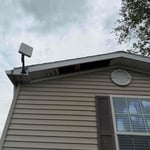
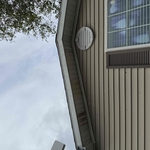
Soffit/fascia repair
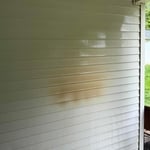
Pressure washing
Pressure washing
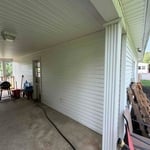
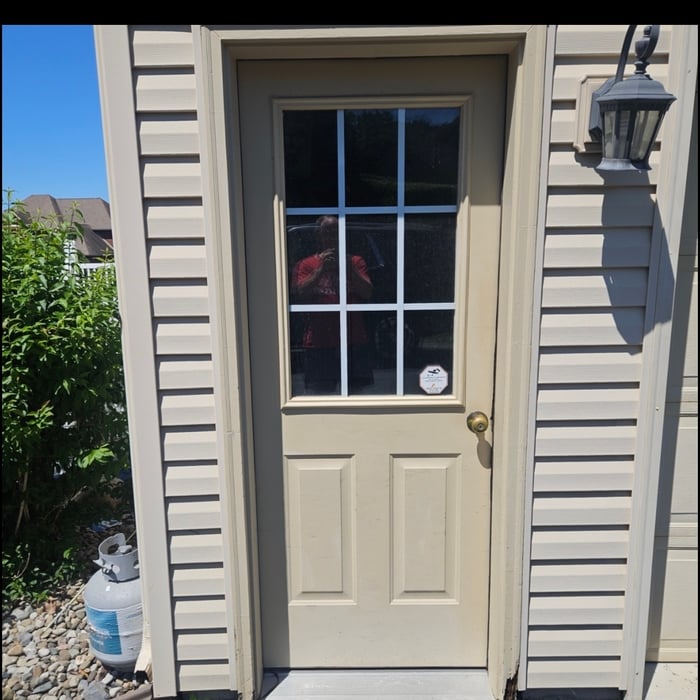
 exterior door trim

+3

5 neighbors recently requested a quote
Showing 1-10 of 32
Deck Cleaning questions, answered by experts

Yes, deck pier blocks can be used as an alternative to traditional deck footings, particularly for small or low-to-the-ground decks. Unlike poured concrete and buried post footings, deck blocks don’t require digging or pouring. However, their use is regulated by local building codes, and they may not be permitted in areas prone to high winds, earthquakes, or hurricanes. Always consult your local building codes before choosing them for your deck project.

When deciding if you should use 2x6 or 2x8 deck joists, consider the size of the deck, joist spacing, and materials. Larger decks, larger-spaced joists, and weaker wood all require more support, meaning they need larger joists. For example, 2x8 redwood joists spaced 16 inches apart can only safely span up to 10 feet and 7 inches. On the other hand, 2x10 southern pine joists spaced 12 inches apart can be as big as 16 feet and 2 inches. If you aren’t sure what size joist is best for your project, speak with your deck builder.

The best direction for a gate to swing depends on its location and purpose, but swinging inward is the general rule. An inward swing is often considered safer, prevents the gate from opening into public spaces like a sidewalk, and may be required by local building codes.

There are exceptions and specific considerations. If your property is on a slope, an inward swing might not be possible. For a deck gate, it's safest to have it swing away from any steps. In a backyard, the direction can be a matter of preference, though an inward swing can be helpful when carrying heavy items like a wheelbarrow into a garden.

Regardless of direction, ensure the gate can open fully without hitting any objects or blocking spaces. While an inward swing is standard, a gate that can swing both in and out offers the most flexibility if your setup allows for it.

When installing deck boards, screws are generally a better option than nails. Screws offer superior holding strength over time, keeping the boards securely in place. In contrast, nails are more likely to pop out, which can create a tripping hazard. While you can use either, we recommend using 3-inch galvanized deck screws. To minimize the risk of cracking the wood, it's a good practice to drill small pilot holes before driving the screws into the deck joists.

Whether you need a permit depends on the deck design and local regulations. Most areas mandate a building permit if the deck is over a specific height or if it's attached to a pre-existing structure. Shorter, freestanding decks may not require a permit, but you should check with local zoning ordinances and your homeowners association for specifics.

The Mifflin, PA homeowners’ guide to deck cleaning services

From average costs to expert advice, get all the answers you need to get your job done.