



Top-rated bird control service pros.

Get matched with top bird control service pros in Linesville, PA

Enter your zip and get matched with up to 5 pros

Need a pro for your bird control service project in Linesville, PA?

Select your specific project to find the pro for you.

Find Bird control service pros in Linesville

Leitner's Quality Pest Control
New to Angi
Pest Control - Birds and BatsPest Control - Birds and Bats - For Business

Serving Linesville, PA and surrounding areas

In business since 2021

Free estimates

Credit card accepted

At Leitner's Quality Pest Control, our company is based on the belief that our customers' needs are of the utmost importance. Our team is committed to meeting those needs. We welcome the opportunity to earn your trust and deliver you the best service. No job is too big or too small for our experienced team. Call today for a quote!\n

Response time3 hrs
Response rate100%
Bird Control questions, answered by experts

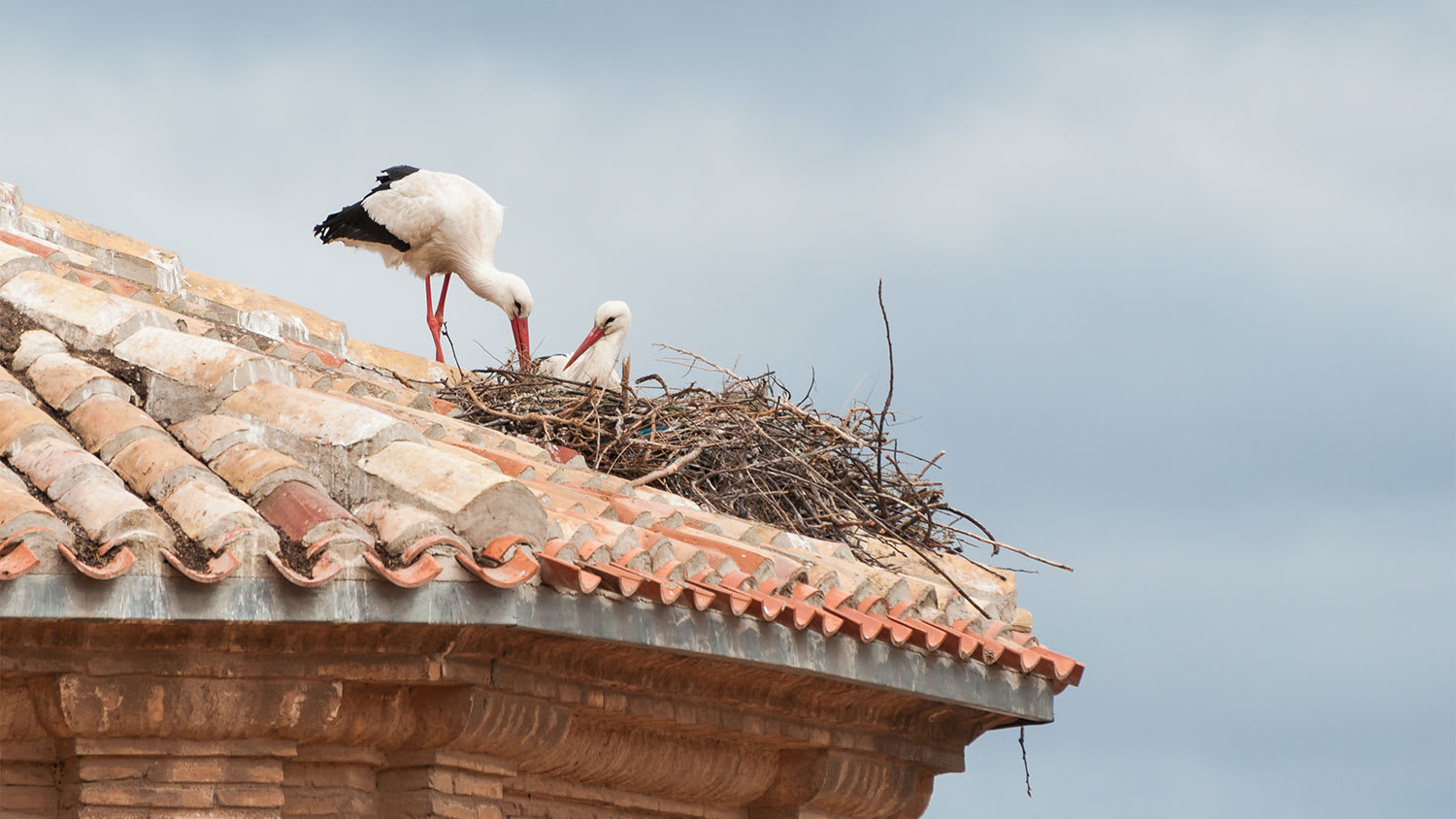
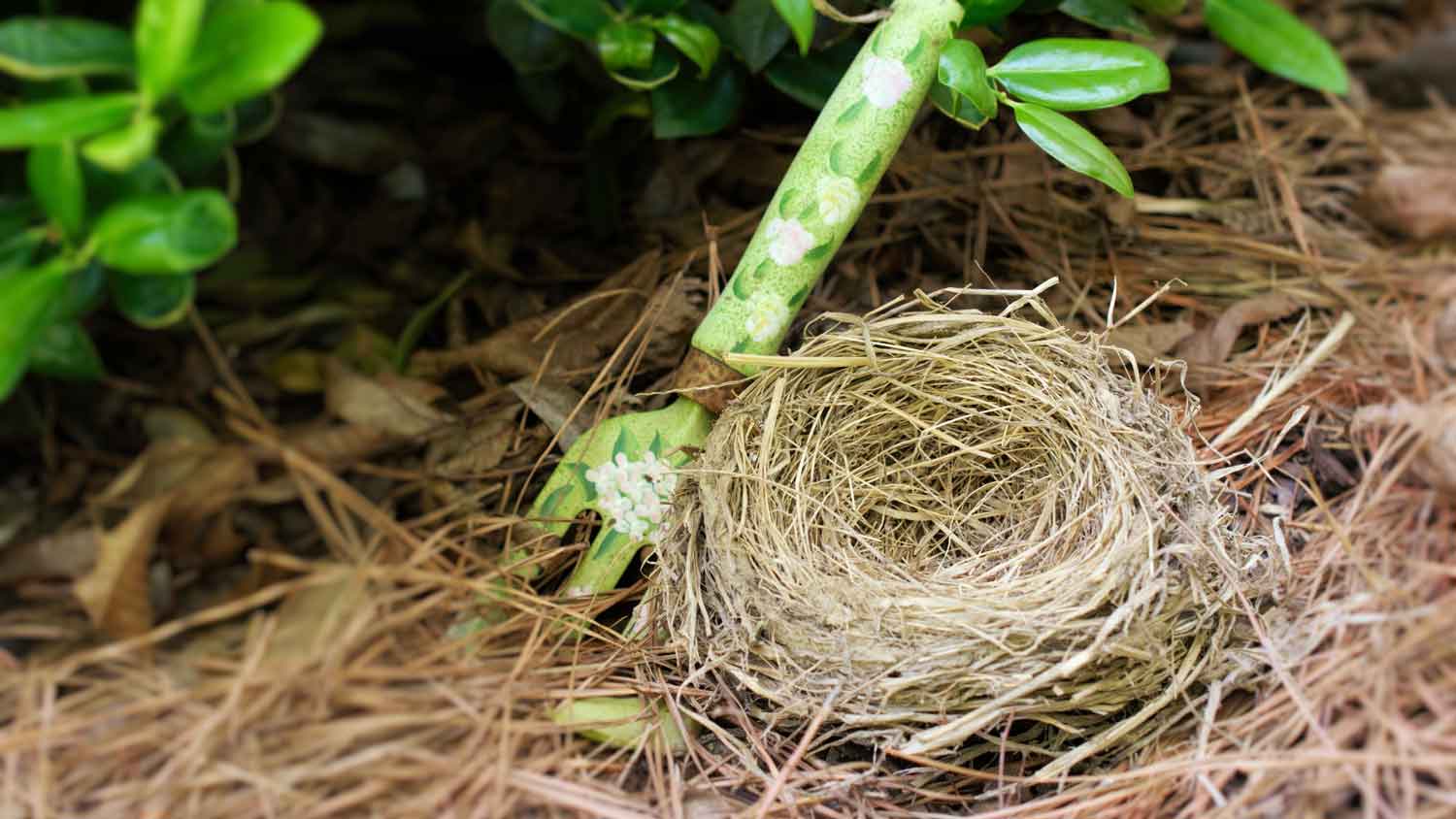
The lifespan of a bird's nest depends on the species. The building process can take from two days to three weeks. Once built, the nesting period for baby birds can last from two to ten weeks before they leave the nest. While most young birds are ready in two to six weeks, some predatory species may need up to two and a half months. Some species nest four to five times per year, so a nest could remain in use for several months. For specific information about a particular nest's longevity, it is best to consult a wildlife professional.

Woodpeckers usually feed on homes when there is a food source present, and termites are one possible source. However, the presence of woodpeckers doesn’t necessarily mean there are termites. They may also be feeding on more harmless insects like ants or spiders. If woodpeckers seem drawn to one particular part of your home’s siding, it might be worth hiring a termite inspector to check for the presence of these pesky critters.

When woodpeckers start banging on your walls or roof, they are probably looking for insects to eat, storing nuts for winter, drilling a hole to make a nest, or communicating with other birds to establish territory or find a mate.

The size of the hole can help determine the reason for the pecking. Small irregular holes are a result of insect hunts. Acorn holes are more consistently sized and often fitted with a nut in the middle. Nest holes are large and have rounded edges. If the bird is pecking to mark its territory or attract a mate, it may leave dents rather than holes, and the noise will stop when the mating season starts in spring.

Yes, it is generally safe to return to your house once the pest control professionals have granted permission. Keep in mind that you’ll only need to evacuate your home during extreme pest control treatments, such as whole-home fumigation, while more minor treatments don’t require leaving. When you return home, be sure to follow the pest pro’s instructions carefully, especially those surrounding wait times and safety precautions.

Yes, it’s possible for bats in your attic to find a way into your living spaces. Until you can properly remove the bats, the best course of action is to keep the attic doors closed and any holes sealed. Evidence suggests bats follow the airflow in your home, so they may try escaping from the attic to other parts of the house.

The Linesville, PA homeowners’ guide to bird control services

From average costs to expert advice, get all the answers you need to get your job done.