





Top-rated deck staining pros.

Get matched with top deck staining pros in Linden, PA

Enter your zip and get matched with up to 5 pros

Need a pro for your deck staining project in Linden, PA?

Select your specific project to find the pro for you.

TRUSTED BY LINDEN, PA HOMEOWNERS

  • Average homeowner rating star icon4.5
    Average homeowner rating
  • Verified reviews icon18
    Verified deck staining services reviews

Find Deck staining pros in Linden

Avatar for John's Custom Flooring
John's Custom Flooring
5.0(
25
)

Serving Linden, PA and surrounding areas

In business since 2001

Free estimates

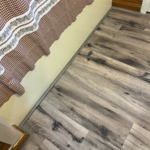
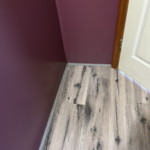
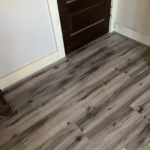
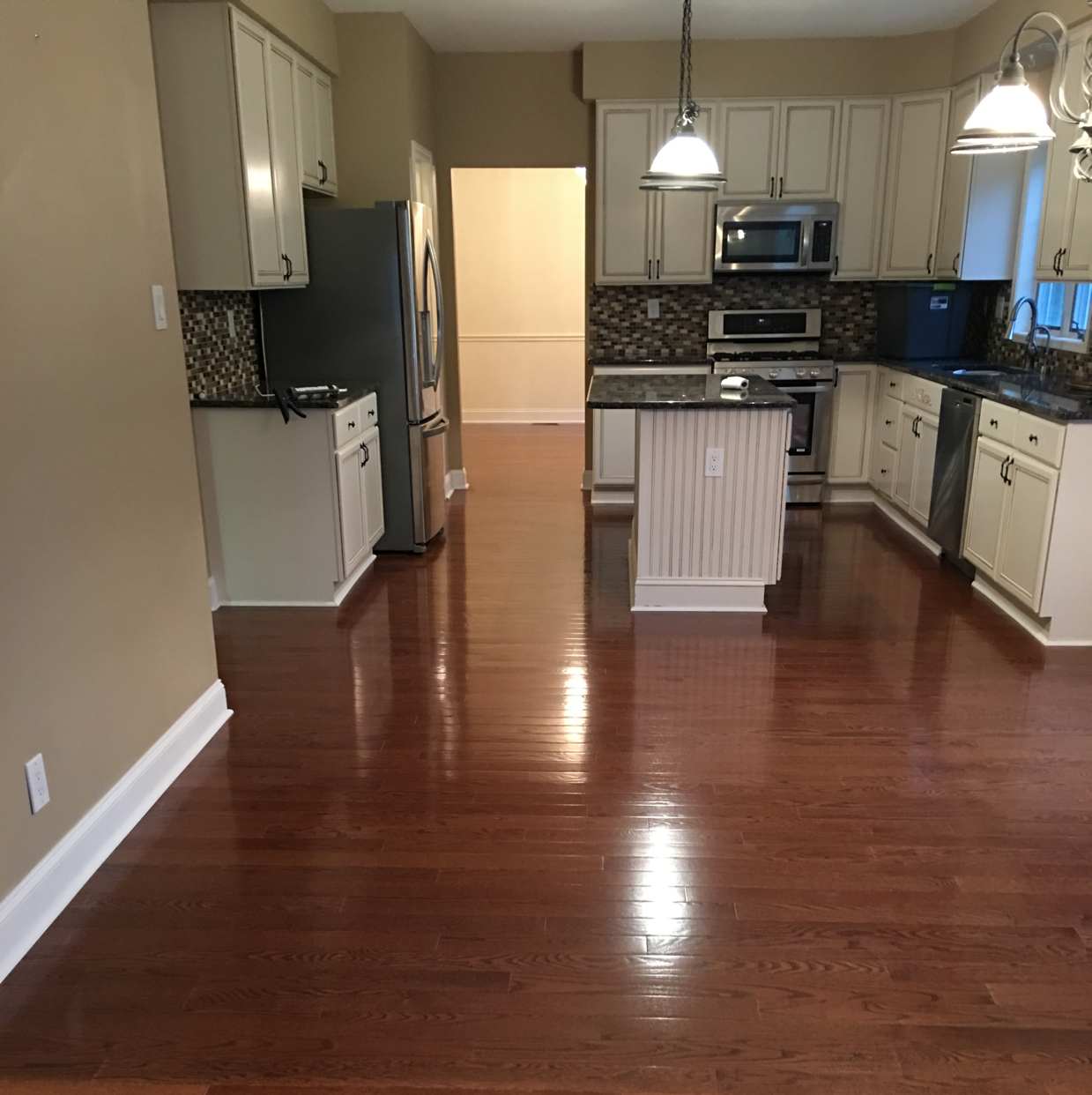
"John did a great job installing new vinyl flooring throughout my entire 1st floor. He did not give me the run around like other contractors do. He arrived early every day to get the job done quickly. He also left the jobsite clean before he left. Overall, highly recommend if you need some flooring installed."

Sand and finish
Sand and finish
Sand and finish
Sand and finish
Sand and finish

+54

Recommended by95%of homeowners
Avatar for Homeleer
Homeleer
5.0(
3
)

Serving Linden, PA and surrounding areas

In business since 2020

Free estimates

Credit card accepted

"The work was really good, the clean up was good, he was actually on site, they got the work was done in no time, 1 day for the roof, another for the siding and it was 1 day for the painting, they did a wonderful job. I highly recommend them to my friends."
Additional Photos
Additional Photos
Recommended by100%of homeowners
Showing 1-10 of 27
Deck Staining questions, answered by experts

Limewash and whitewash are two techniques used to give brick a light, matte finish, but they differ in composition, application, and permanence. The best choice depends on your aesthetic goals and the specific surface.

Composition

  • Limewash: A natural and environmentally friendly option made from limestone, water, and sometimes pigments. It is breathable and soaks into porous surfaces like brick.

  • Whitewash: Traditionally made from lime, water, chalk, and binders, but a similar look can be achieved with watered-down white paint. It is paint-based and sits on top of the surface.

Appearance and Finish

  • Limewash: Provides a natural, textured appearance that allows the brick's character to show through. It offers a more traditional finish.

  • Whitewash: Creates a softer, more opaque finish, often used for a rustic or shabby-chic style.

Application and Permanence

  • Limewash: Is semi-permanent and can be removed, making it a good choice if you might want to change the look in the future. It requires more skill to apply and cannot be used on previously painted brick.

  • Whitewash: Is a more permanent solution. It is more forgiving to apply and can be used on painted brick. However, because it sits on the surface, it can trap moisture.

Ultimately, if you want a breathable, natural, and reversible finish for unpainted brick, limewash is a great option. If you need a more permanent, opaque coating that can be applied over painted surfaces, whitewash is the better choice. Whitewashing may also be more economical, costing approximately $1.40 to $4.20 per square foot.

Yes, it's a good idea to sand the wall with fine-grit sandpaper after spackling, especially if you plan on painting. You can do this by hand or using a sander, but the idea is to ensure the spackle is flush with the wall. Sanding will give your wall a smooth, uniform finish and help your paint and wallpaper stay put.

You can use latex or acrylic paint outdoors. Although acrylic paint tends to last longer outside, it also costs more, so if you’re painting the outside of your house, for instance, latex paint is often a go-to option. However, acrylic will be your best choice if you want to spend some extra money for added durability.

Whether you can paint over your existing paint depends on what’s on there. Most of the time, you’ll want to sand down or scrape off the paint that’s currently coating your surface. Epoxy paint, for example, won’t let new paint stick to the surface. Latex paint is more forgiving and will accept a new coat, but a primer is recommended if you’re switching colors.

Yes, you must thoroughly clean your deck before staining. If you don't, dirt, debris, grease, and mildew can get trapped between the wood and the new stain. This not only looks unsightly but also prevents the stain from penetrating the wood properly, reducing its ability to protect the deck from weather and UV rays. As a result, the stain won't last as long or look as good. Any existing mold or mildew left untreated can continue to grow beneath the new stain, potentially leading to wood rot and structural damage. Always wait at least 48 hours after cleaning for the wood to dry completely before applying stain.

The Linden, PA homeowners’ guide to deck staining services

From average costs to expert advice, get all the answers you need to get your job done.