







Top-rated bird control service pros.

Get matched with top bird control service pros in Hyndman, PA

Enter your zip and get matched with up to 5 pros

Need a pro for your bird control service project in Hyndman, PA?

Select your specific project to find the pro for you.

Find Bird control service pros in Hyndman

Bird Control questions, answered by experts

Identifying the specific animal running on your roof at night can be challenging without direct observation. Common nocturnal roof visitors include raccoons, squirrels, opossums, and rats. Raccoons are bigger and can create heavy thumping sounds. Squirrels are agile and may produce rapid scurrying noises. Opossums tend to move stealthily with less noise. Rats can make scratching or gnawing sounds. To determine the culprit, look for signs like footprints, droppings, or damaged areas near the roof. For accurate identification, consult a pest control professional or set up wildlife cameras near potential entry points.

Birds eat grass seed for one simple reason—it’s delicious! The seeds are rich in nutrients such as carbohydrates, proteins, and fats. Seeds are also high in energy, so humans eat trail mix loaded with seeds and nuts for long-distance activities. Grass seed, when unprotected, is also exceptionally easy to access.

Keeping your pool cover clean is a good way to keep smaller animals from running across it or using it as shelter. Small animals may use leaf debris on top of the cover to hide. Cleaning also removes nuts that may fall from a nearby tree that could otherwise be a tempting snack for some animals, like squirrels. 

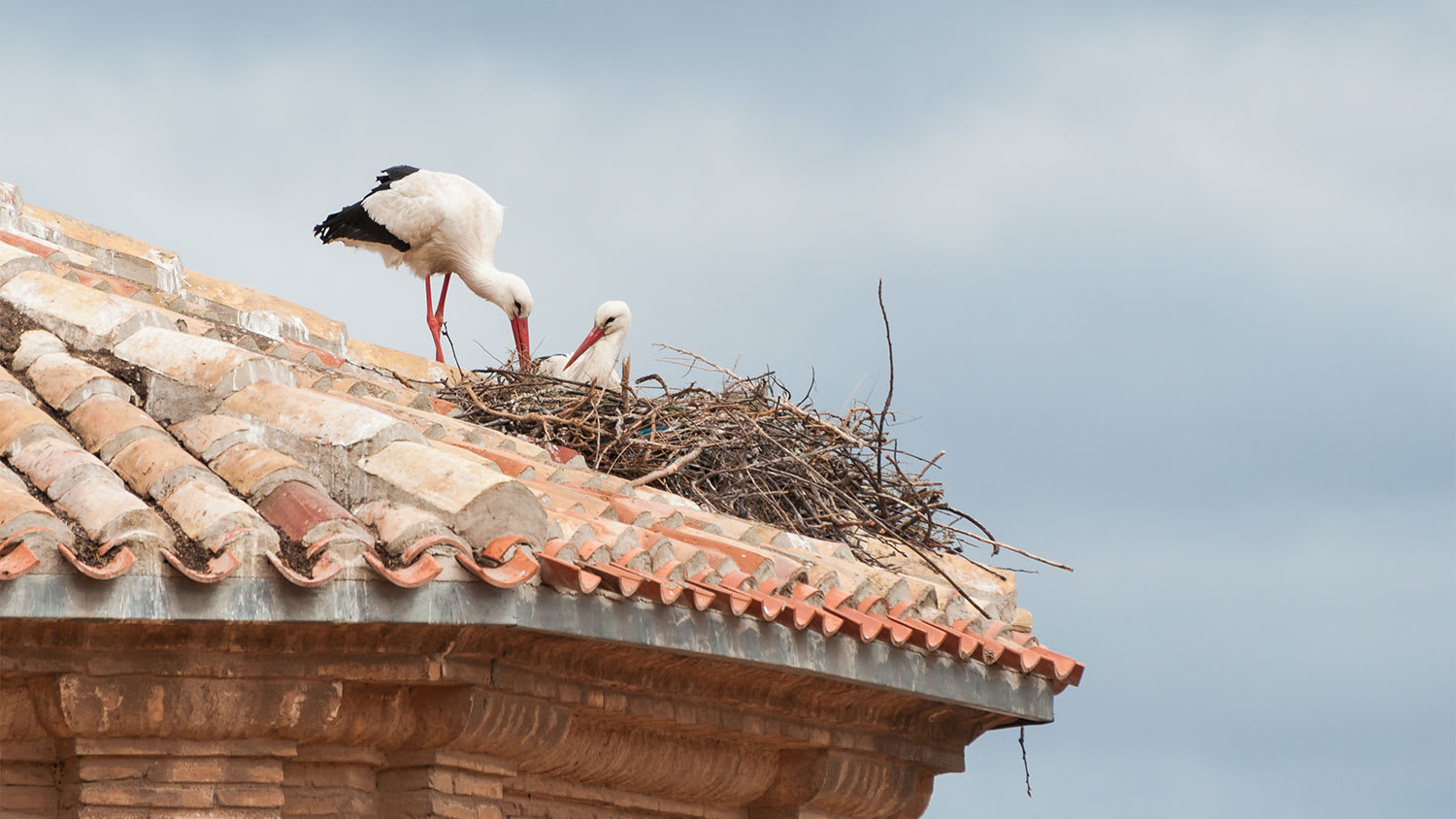
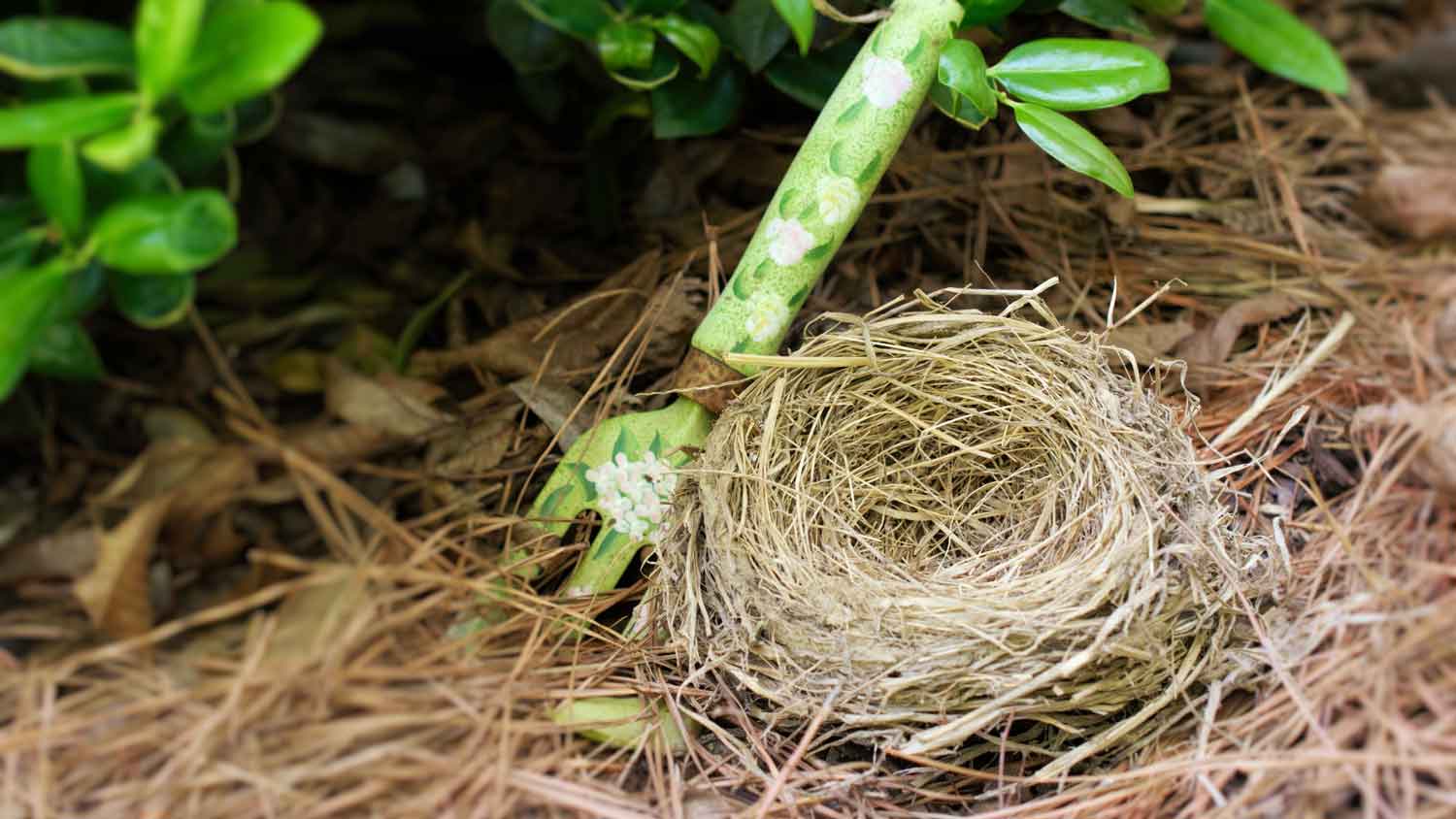
While not common, bird’s nests can cause problems to your property in some cases. 

  • Block vents for your dryer, stove, and fans, creating a fire hazard

  • Clog gutters and drains, leading to roof and siding damage

  • Damage solar panels

  • Wiring issues if the nest is on or near a light fixture

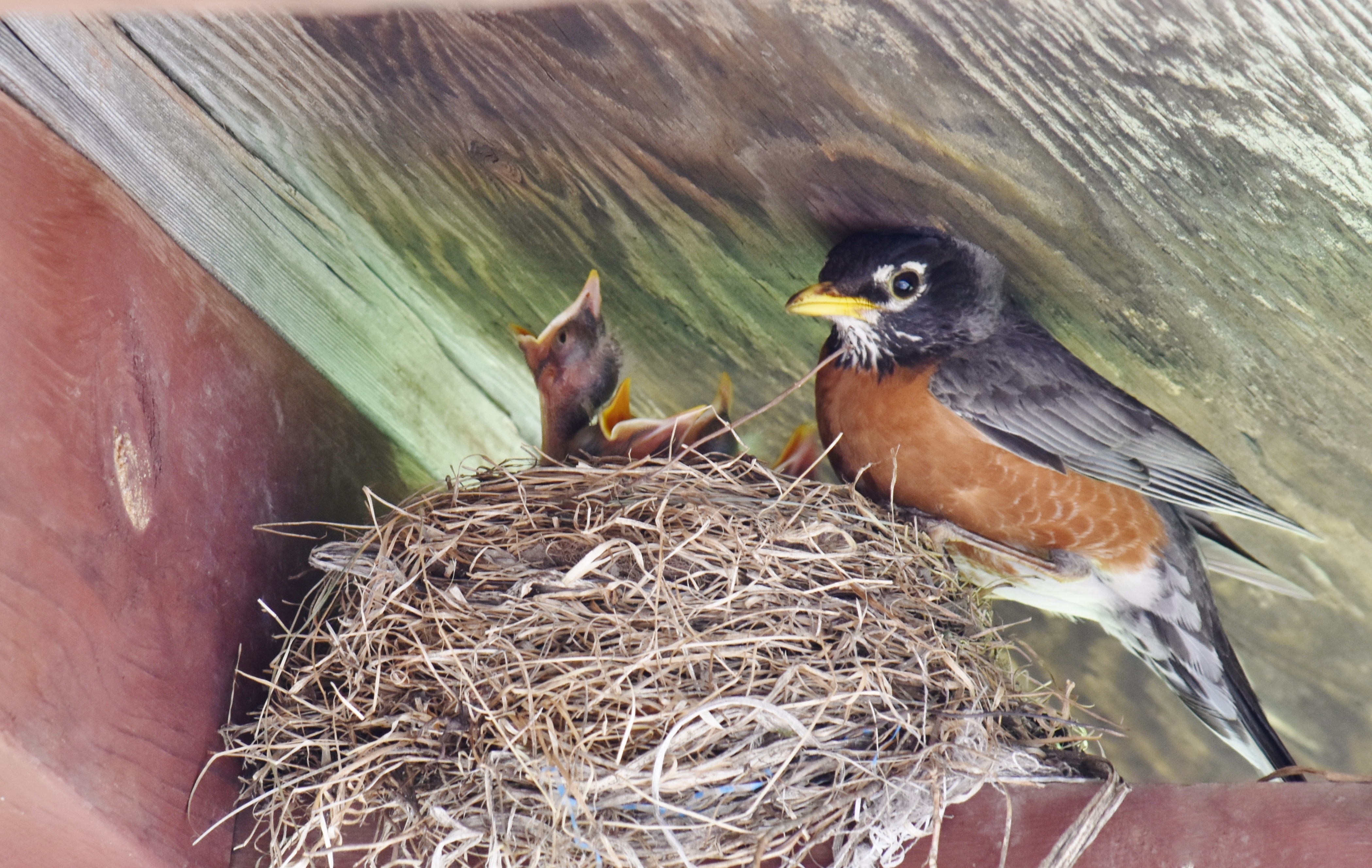
The lifespan of a bird's nest depends on the species. The building process can take from two days to three weeks. Once built, the nesting period for baby birds can last from two to ten weeks before they leave the nest. While most young birds are ready in two to six weeks, some predatory species may need up to two and a half months. Some species nest four to five times per year, so a nest could remain in use for several months. For specific information about a particular nest's longevity, it is best to consult a wildlife professional.

The Hyndman, PA homeowners’ guide to bird control services

From average costs to expert advice, get all the answers you need to get your job done.