






Top-rated excavation pros.

Best excavation pros near Bedford, PA

Enter your zip and get matched with up to 5 pros

Need a pro for your excavation project in Bedford, PA?

Select your specific project to find the pro for you.

Top-Rated Excavation pros in Bedford - Updated Nov 2026

Avatar for ACF Demolition & Excavation LLC
ACF Demolition & Excavation LLC
New to Angi
Building Site - Preparation and ClearingBuilding Site - Preparation and Clearing - For BusinessExcavation - Major Grading or Resloping - For Business

Serving Bedford, PA and surrounding areas

Approved

Free estimates

Offers commercial services
At ______ACF Demolition & Excavation LLC_____, our company is based on the belief that our customers' needs are of the utmost importance. Our team is committed to meeting those needs. We welcome the opportunity to earn your trust and deliver you the best service. No job is too big or too small for our experienced team. Call today for a quote!

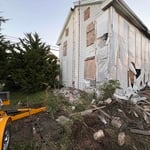
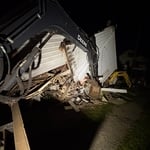
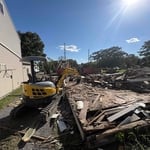
2 story house demolition
Finished

+3

1 neighbors recently requested a quote
Avatar for Sloan Construction Company
Sloan Construction Company
New to Angi
Building Site - Preparation and Clearing - For Business
Serving Bedford, PA and surrounding areas

Approved

In business since 1988

Free estimates

Offers commercial services

We're a locally owned and operated company with over 22 years of industry experience. We value honesty and integrity in all aspects of our business. We offer a variety of Home Improvement services that are customizable to each individual project. Thank you for choosing Sloan Construction Inc

Response time10 mins
Showing 1-10 of 39
Excavating FAQs, answered by experts

Most residential basements are 8 to 10 feet deep. You can dig deeper depending on building codes, but it does become more difficult. You’ll likely need to install stronger foundation walls and additional supports to handle the increased load. Depending on the water table, you may also need a water management system. Clay soil can support a deeper foundation than sandy soil. A structural engineer will be able to tell you the maximum, feasible depth.

Downspouts should be buried at least 5 to 10 feet away from your foundation. This can vary depending on your local building codes, soil type, and property slope. The main goal is to ensure water is directed away from your foundation.

Yes. A metal detector is one of the quickest and easiest ways to find your septic tank. However, metal detectors can be too expensive (costing upward of $300 in some cases), and not everyone has a metal detector just lying around. If that’s the case for you, you can also take a long metal rod and poke it into the ground at regular intervals until you hit something—likely your septic tank lid.

Tree experts don’t advise against digging through tree roots, but instead encourage caution and consultation with a local arborist to make sure you don’t damage the tree’s structure or interrupt its water or nutrient intake. An arborist can recommend specific practices when digging and help prune the roots or dig a trench for utilities with a tool that can remove soil without touching the tree’s roots.

The best type of soil to build on is a mixture of sand and clay, known as loam soil. Loam soil has the best combination of these soil types to build a foundation on. The clay particles help with water retention, so it won’t erode like sandy soil might, and the sandy particles help with drainage, so you won’t see unsafe soil expansion or have an increased risk of leaks from water sitting against your foundation.

The Bedford, PA homeowners’ guide to excavation services

From average costs to expert advice, get all the answers you need to get your job done.