

Top-rated excavation pros.

Best excavation pros near Weleetka, OK

Enter your zip and get matched with up to 5 pros

Need a pro for your excavation project in Weleetka, OK?

Select your specific project to find the pro for you.

Top-Rated Excavation pros in Weleetka - Updated Nov 2026

Avatar for S&S Construction and Ecavation L.L.C
S&S Construction and Ecavation L.L.C
New to Angi
Building Site - Preparation and ClearingBuilding Site - Preparation and Clearing - For BusinessExcavation - Major Grading or Resloping+1 more

Serving Weleetka, OK and surrounding areas

Approved

In business since 2025

Free estimates

Credit card accepted

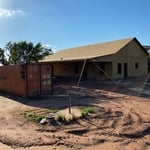
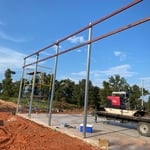
We take great pride in our experience, expertise, quality, and customer service that we provide to meet the consumer's needs. It is our mission to provide excellent workmanship and complete customer satisfaction, from start to the completion of a project. In order to understand the needs and expectations of our customers, we take great care to work and communicate with every customer in a professional manner. Our reputation is based on service, safety, and quality, regardless of how large or small the job \n

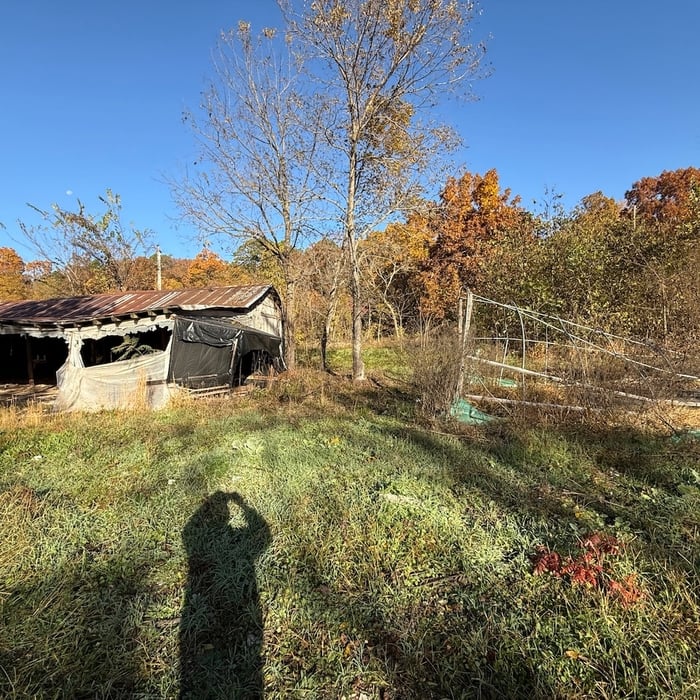
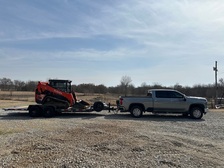
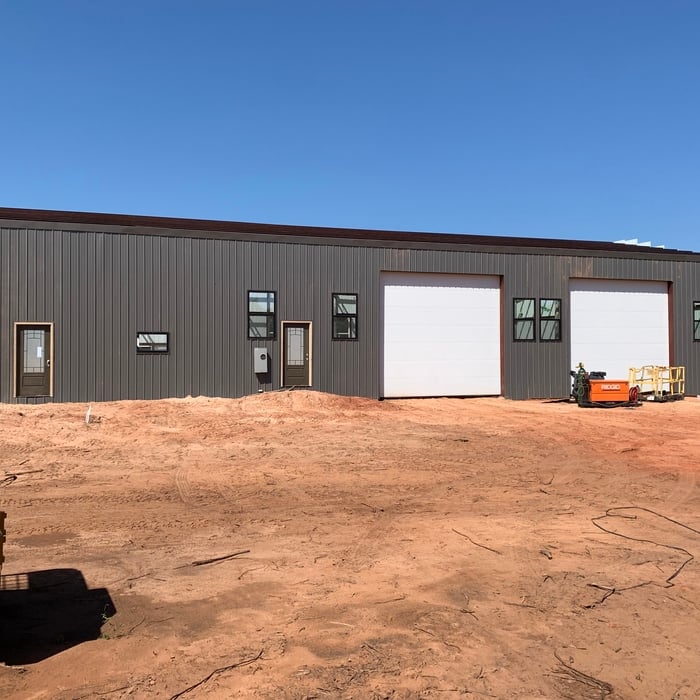
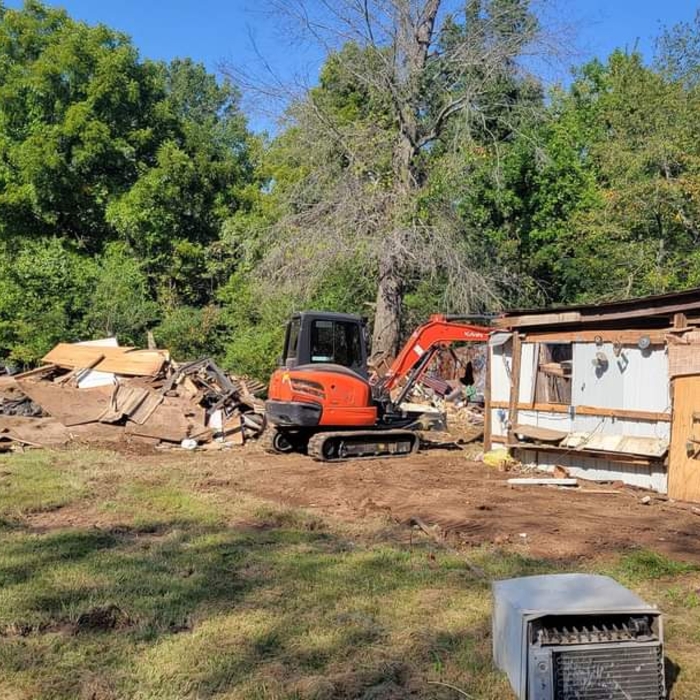
Cattle pens pad
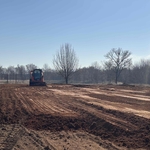
Cattle pens pad
Avatar for Smith Sand & Gravel
Smith Sand & Gravel
New to Angi
Building Site - Preparation and ClearingBuilding Site - Preparation and Clearing - For BusinessExcavation - Major Grading or Resloping+1 more

Serving Weleetka, OK and surrounding areas

Approved

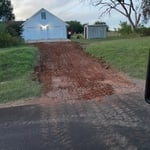
Smith Sand and Gravel has proudly served Blanchard, Oklahoma and surrounding communities for over 10 years. Based in Blanchard, OK, we provide reliable services within a 100-mile radius.\nOur team operates two skid loaders equipped with multiple attachments, allowing us to handle a wide range of projects efficiently and safely. For specialized jobs, we have the capability to rent additional equipment as needed to ensure the job is completed correctly and on schedule.\nWe are a hardworking, dependable crew committed to going above and beyond for every client. Our focus is quality workmanship, timely completion, and customer satisfaction.

Residential Projects

+5

...
Showing 1-10 of 71
Excavating FAQs, answered by experts

Digging a bush up by the roots is the most natural DIY method for removing a bush stump. Start by identifying the shrub type and revealing its roots. Cut the shrub to its base and loosen the soil, ensuring no utility lines are nearby. Optionally, treat the base with herbicide, then dig around the roots and cut a circle around the shrub using various tools. Dig a trench, cut the base of the root ball, and finally fill the hole to prevent regrowth. This thorough process ensures complete removal without damaging surrounding areas.

Dumpsters work best on hard, study, and level surfaces made of asphalt, stone, or concrete. If the surface is uneven or too soft, the dumpster could get stuck or tip over when filled. Keep in mind that you must obtain a dumpster permit to keep it on a city street in many areas.

Trenching and boring are two distinct methods for installing underground utilities. Trenching involves digging a channel using equipment like an excavator, trencher, backhoe, or shovel. While it is a simpler process, it causes significant disruption to the surface, landscaping, and surrounding ecosystems.

Boring, also known as directional boring, is a less invasive alternative that uses a drill to create a tunnel for utility lines without disturbing the surface. This method is more precise and is ideal for installations that need to go underneath buildings, roads, or bodies of water. Although boring is less disruptive, it is generally more expensive than trenching.

Skunk digging looks like a series of small, cone-shaped holes on a lawn or around the perimeter of a home, porch, deck, or shed. The holes that skunks dig when searching for grubs tend to be no more than four inches in diameter and may be up to four inches deep.

There is no standard depth for burying a septic tank; they are typically buried anywhere from 4 inches to 4 feet underground. The final depth depends on several factors, including the depth of your main sewer line, the height of the bedrock, soil type, local regulations, and the property's landscape. If you plan to grow grass or plants over the tank, a depth of at least 4 to 6 inches is recommended. Deeper tanks can be more difficult to locate, but a septic professional can help find it for you.

The Weleetka, OK homeowners’ guide to excavation services

From average costs to expert advice, get all the answers you need to get your job done.