





Top-rated arborists.

Get matched with top arborists in Okemah, OK

Enter your zip and get matched with up to 5 pros

Need a pro for your arboricultural service project in Okemah, OK?

Select your specific project to find the pro for you.

TRUSTED BY OKEMAH, OK HOMEOWNERS

  • Average homeowner rating star icon4.9
    Average homeowner rating
  • Verified reviews icon11
    Verified arboricultural services reviews

Find Arborists in Okemah

Avatar for Earth and Arbor Tree Service
Earth and Arbor Tree Service
4.9(
36
)
Tree RemovalTree Removal - For BusinessTree Stump - Remove+5 more

Serving Okemah, OK and surrounding areas

In business since 2010

Free estimates

Emergency services offered

"They arrived on schedule and began work immediately.  They were able to quickly trim the elm tree to our satisfaction.  The willow tree took a little more time due to the proximity of the homes and multiple dead limbs at the top of the tree.  I was pleased with their work, and will definitely use them again.  They are very professional, and know their business well.
"
Additional Photos
Additional Photos
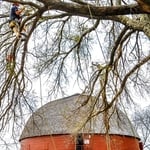
Round Barn
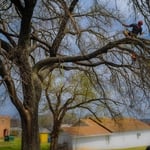
Elm
Pin Oak

+1

Recommended by100%of homeowners
Avatar for James Tree Care, LLC
James Tree Care, LLC
4.6(
14
)
Tree RemovalTree Stump - RemoveTree Trimming

Serving Okemah, OK and surrounding areas

In business since 2010

Free estimates

Credit card accepted

"Had called other company that was 1st on HomeAdvisor's list, but they never called back. Called James on Monday, scheduled for estimate for Thursday and on Saturday had 7 dead trees cut down, and previous limb piles cleared out. Great crew, fast and efficient, and priced well. Would and will hire again for future work!"
Response time20 mins
Response rate100%
Recommended by100%of homeowners
Avatar for Gr8r Than Energy LLC
Gr8r Than Energy LLC
5.0(
15
)
Tree RemovalTree Removal - For BusinessTree Stump - Remove+5 more

Serving Okemah, OK and surrounding areas

In business since 2019

Free estimates

Credit card accepted

"I highly recommend this company! I was so impressed by the professionalism and the motivation for customer satisfaction. I was more than satisfied...I was impressed! I am so excited to do my part in helping the planet, and it is so refreshing to see a company that is wanting to do the same. I highly recommend!!"
Additional Photos
Additional Photos
Additional Photos
Additional Photos
Additional Photos

+2

Recommended by100%of homeowners
...
Showing 1-10 of 70
Arborists questions, answered by experts

Tree roots are hearty and complex systems, so they don’t die immediately after the rest of the tree is removed. If you leave the root system in place, it takes anywhere from two to seven years for it to run out of nutrients. It is worth noting, however, that the roots stop growing and expanding after cutting down the rest of the tree.

The best time to transplant a tree is when it is dormant. For many trees, this means either in the fall after the leaves have dropped (around October or November) or in early spring before new growth begins (around March). The ideal timing can depend on the type of tree. Deciduous trees do well when moved in early spring or fall, while evergreens are best transplanted in early spring or late summer. For example, pine trees are best moved in early fall, but maples prefer late fall. Avoid transplanting in winter, as the frozen or hard, cold soil poses a significant risk to the roots and prevents the tree from acclimating properly.

Yes, it’s okay to trim low branches on a tree, also known as limbing up or raising the crown. Essentially, you’ll trim the lower third of the tree (trunk) and leave the upper two-thirds of the tree (crown). Arborists recommend trimming 20% of a tree’s leaves per season for two to three seasons. Trimming low branches allows light to flow through the tree, increasing circulation and making the tree stronger and healthier.

The exact answer to this question depends on which region of the country you’re talking about, but according to various tree counts, some of the most common types of trees in the United States include red maple, Douglas fir, quaking aspen, loblolly pine, and sweetgum.

Common signs that a tree is rotting include dead branches, a leaning trunk, peeling or cracked bark, leaf discoloration, and the presence of fungi. If you notice any of these signs, it’s best to hire an arborist near you to inspect your tree and determine if it can be saved or if it needs to come down.

The Okemah, OK homeowners’ guide to arboricultural services

From average costs to expert advice, get all the answers you need to get your job done.