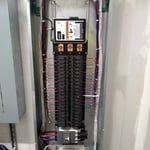
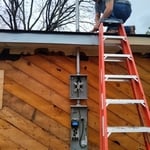
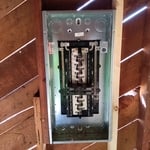
Hi, my name is Blake Smith. I’ve been doing electrical work for the last 5 years doing service or new construction so I’m very well versed in all aspects of my field
At Whelan Electrical Services, we are committed to providing safe, reliable, and high-quality electrical solutions for residential and light commercial customers. With years of hands-on experience in electrical construction, maintenance, troubleshooting, and service work, we take pride in delivering honest recommendations, exceptional workmanship, and outstanding customer service.\nWhether you need electrical repairs, panel upgrades, lighting installation, generator connections, EV charger installation, troubleshooting, or new electrical installations, we approach every project with professionalism, attention to detail, and a commitment to safety. Our goal is to complete every job correctly the first time while exceeding customer expectations.\nWhen you choose Whelan Electrical Services, you’re choosing dependable service, transparent communication, and quality work you can trust.
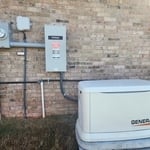
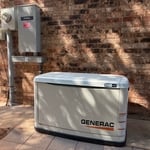
"We had a generator and home surge protector installed. They were prompt, polite, and efficient. They showed us how to program/use the generator, cleaned up, etc. I definitely recommend OKCPowerCare."
"The electricians and plumbers were very professional in their demeanor. They worked as a team, everyone knew what to do and how to do it. They answered all my questions, but didn't let that distract them from their job. I was impressed with the speed of the installation. They cleaned up after themselves and took their trash with them."
"Michael did an amazing job installing our new outlet. He was very professional, knowledgeable and reasonably priced. I highly recommend him and I will definitely be contacting him in the future."
"Andrea and Cary were excellent, professional, very kind, did the install quickly and triple checked everything for us before they were satisfied! I can’t say enough about how terrific they were! I want to personally give them a big Thank You! Sandra H"
"When I needed my electrical work done ASAP they were right there for me. They were very informative about what they were doing and didn t waste no time. I tried to get hold of electricians before them before I found out about home advisors but they were all to slow to respond. Some of the electricians didn t bother to show up so that s how I needed to find someone quick through home advisors. Thank you!"
DIY is possible for basic setups. Professional installation ensures safe and proper electrical connections.
Here’s what you can run with different wattages and types of generators:
Portable generator:
2,000 watts can handle a large appliance like a freezer or refrigerator, plus a few smaller items like phones or computer chargers.
4,000 watts will keep two large appliances operating and a few smaller devices.
8,000 watts should power most essential appliances and other devices, including a sump pump, well pump, or your dishwasher.
Partial to whole-house generator:
20,000 watts and above will make it seem like your home’s power is still on.
It’s usually better to repair your generator if it isn’t working properly, as it will typically be much more affordable and should yield similar results. Generator repairs cost around $300 on average, while installing a new whole-house generator costs around $5,000 on average. The only exception is if you know your generator is reaching the end of its useful life, usually between 30 and 40 years. If you have an older generator, you could face multiple repairs in the coming years, which might mean that a full replacement will be more cost-effective over time.
While natural gas generators are costly, they’re a great option for standby power due to the reliability of natural gas as a fuel source. Unlike other fuels, natural gas is delivered through underground pipes, making outages extremely rare and less likely to be affected by the elements. As long as the area isn’t prone to earthquakes, they offer an unlimited supply of natural gas that doesn’t degrade over time or require storage in tanks.
Many services include assembling the unit and securing it in the window. Confirm with your provider.
The Dover, OK homeowners’ guide to generator installs
From average costs to expert advice, get all the answers you need to get your job done.
Natural gas generators are whole-home standby generators that are connected to your home’s natural gas line. The average cost for a natural gas generator is $12,000.
Generators should give you peace of mind, but you’ll only get that if your installer knows what they’re doing. Learn how to hire a pro and what red flags to look for.
Thinking about a generator installation? Learn about backup power options, costs to expect, and how to hire the right local pro to keep your home running.