





We're dedicated to providing our clients with the very best in service, installation, and repair for your heating and cooling needs. We are a locally owned and operated company that values honesty and integrity. We specialize in central A/C and cooling systems as well as heating and furnace systems. We take pride in the quality of our work and our commitment to outstanding results & look forward to building long-term relationships with our clients, and guarantee your satisfaction.
PDC Heat and Air, Inc. is an independent local contractor. PDC is family owned and operated company that provides service, repair or replacement on heat and air conditioning equipment. If you are looking for a company that will do all it can to please a customer at an affordable price we are the company for you.
Central Vacuum Systems questions, answered by experts
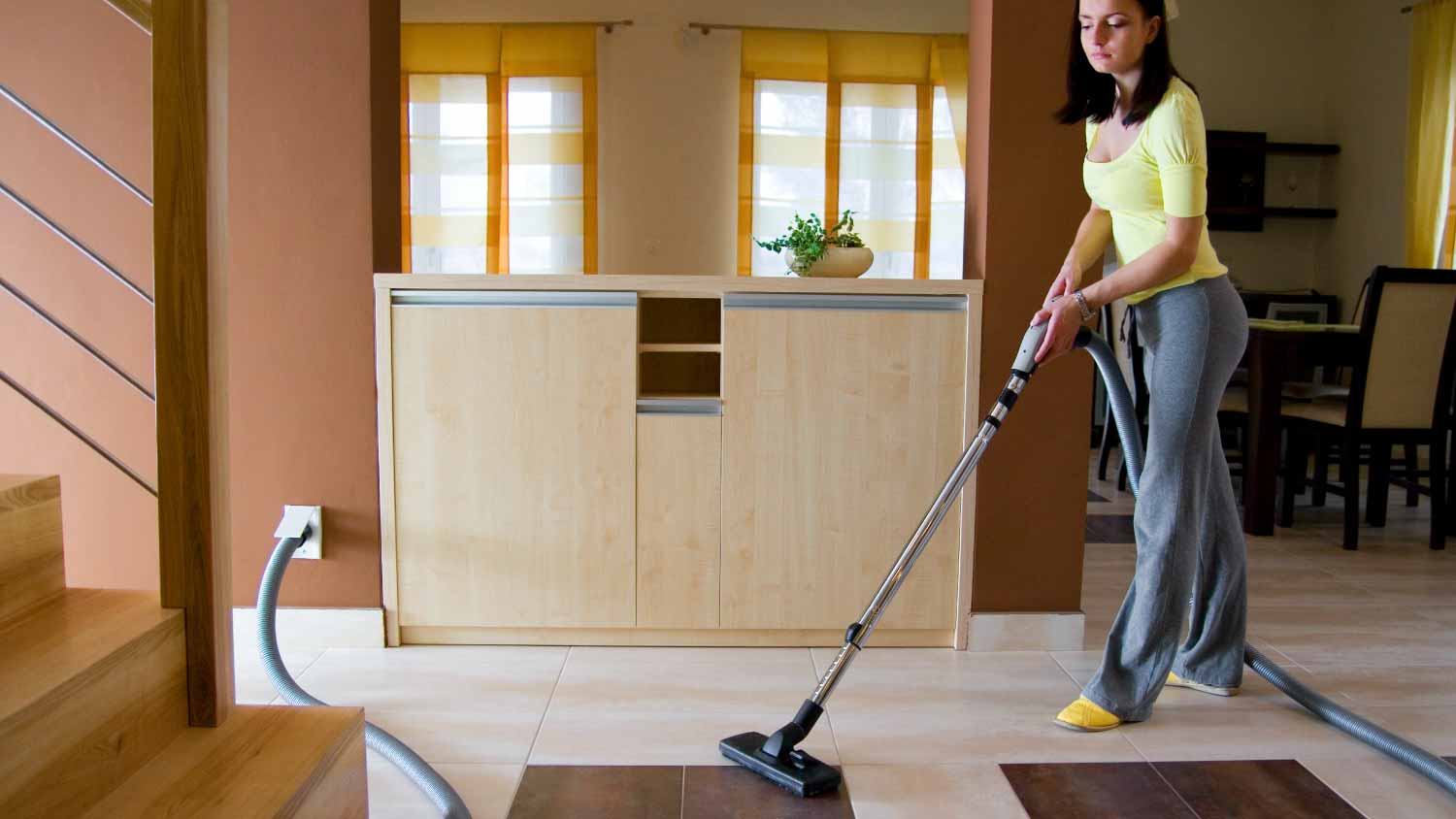
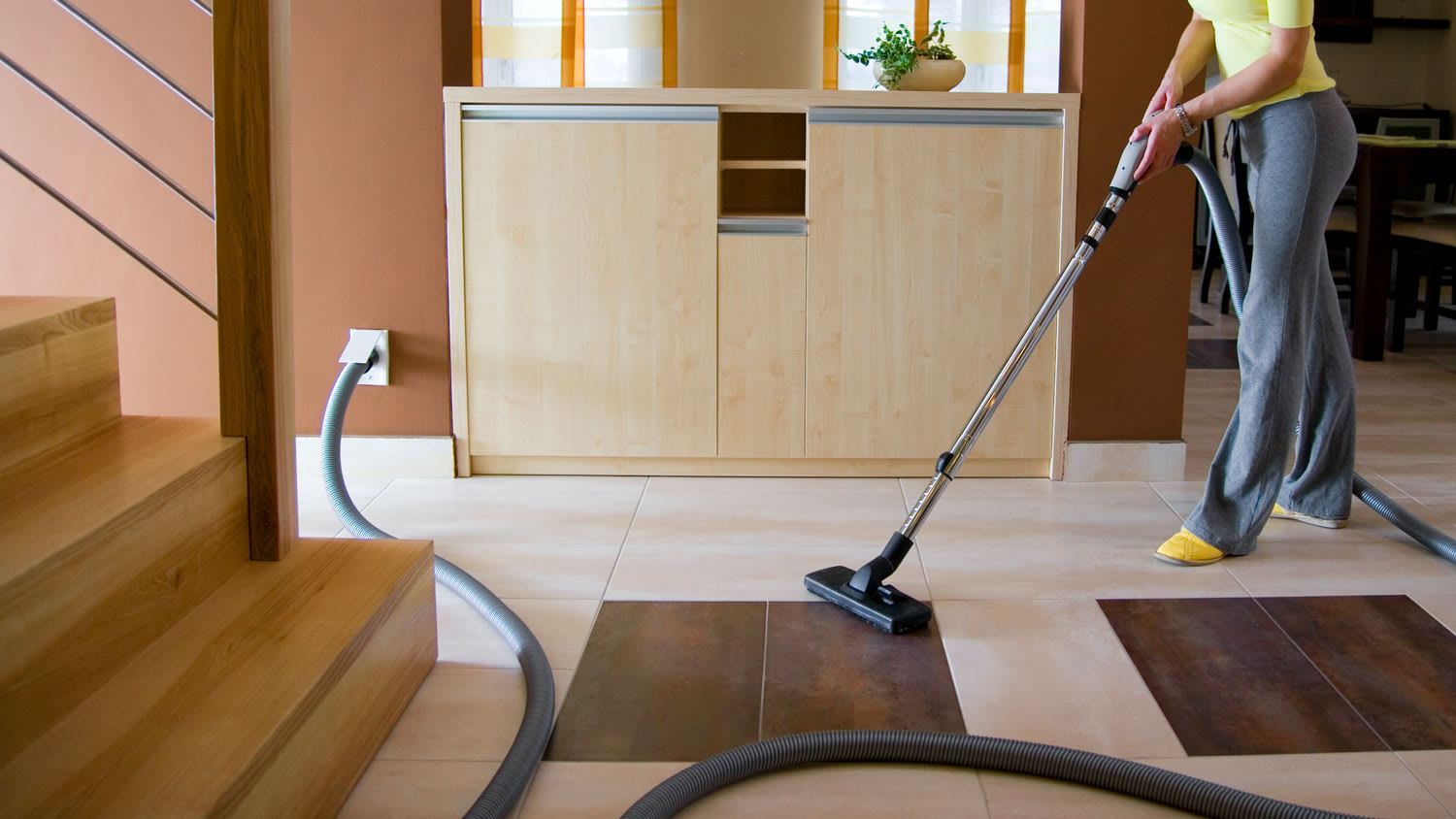
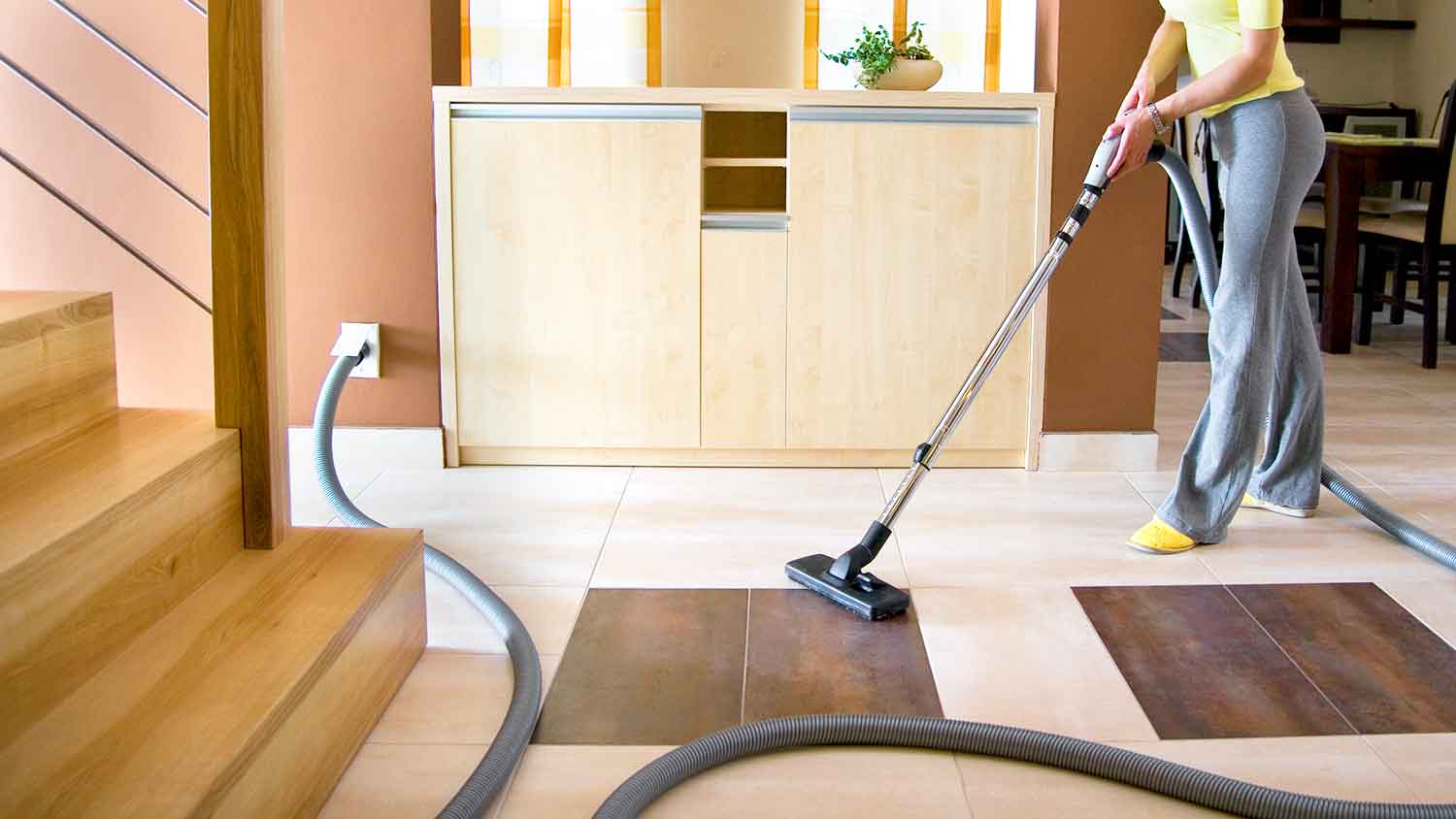
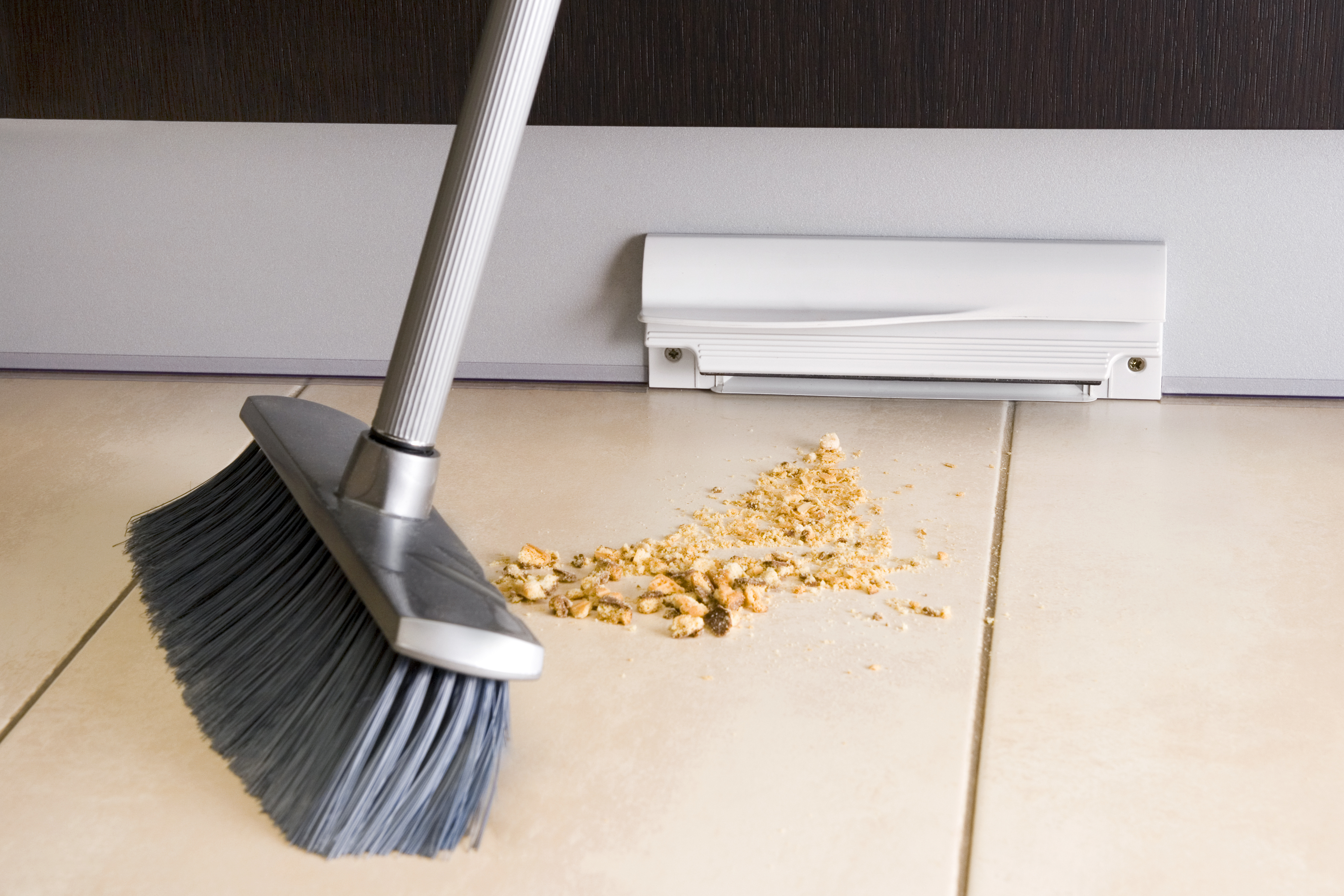
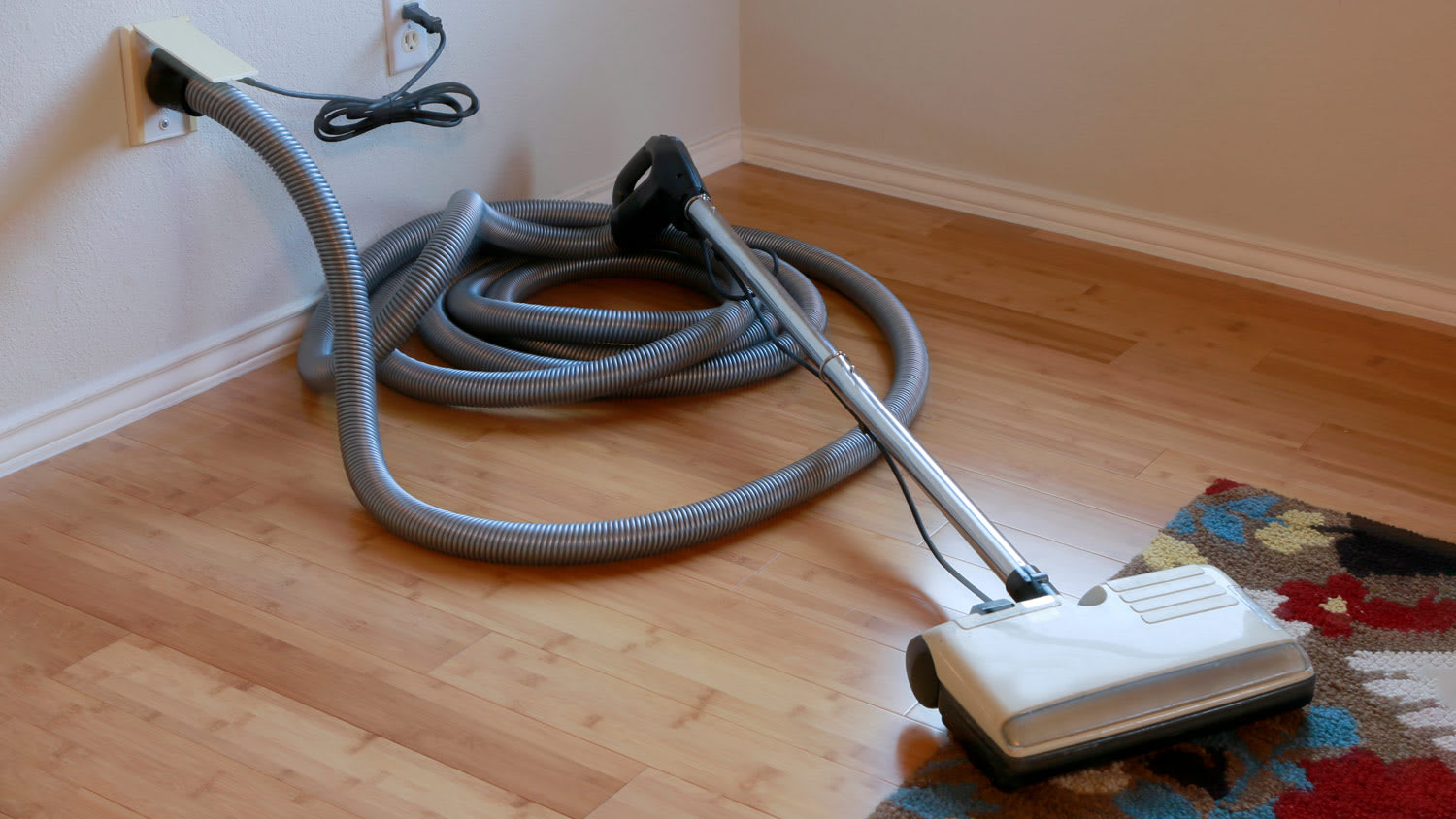
No. Only the hose or the attachments are portable in a central vacuum system. A portable vacuum is a standalone model like a stick, canister, or upright. A central vacuum system is defined by a central power unit, which is installed in one place like an AC unit, and the connected network of piping to funnel the suction.
While caulking is handy for quite a bit of jobs, it’s still limited. Any crack or gap larger than 1/4 inch is best left for a more intensive repair job. When you hire house painters, they should run a thorough check to see what they need to repair before they start the job.
Large repairs that caulking typically won’t do well with include cracks or holes larger than a 1/4 inch, rotted wood, or metal surfaces, such as garage doors.
It can be difficult to know right away if your central vacuum is clogged since it operates quietly compared to regular vacuums. However, there are a couple of signs you can look for. If you feel like it’s losing suction or isn’t cleaning effectively, then there’s likely a clog somewhere.
Make sure you turn the vacuum on and feel the end of the hose handle. If you don’t feel any suction, then you’re dealing with a clog in the hose. You can see if the clog is further down in the system by attaching the hose to each outlet until you find the one with the least amount of suction.
They’ll use more electricity than the average upright vacuum, but not remarkably more. Most power units plug into a standard 120-volt outlet and don’t have significant power demands. You shouldn’t notice an increase in electricity bills. If you have any specific questions about energy costs, ask your installer as you examine purchase decisions. Larger power units will need more electricity for their suction levels.
The disadvantages associated with central vacuums start with cost. They are expensive to install, especially in existing homes, as retrofitting requires opening walls. The system's bulky hoses can also be inconvenient to maneuver and store compared to portable vacuums. Additionally, repairs may need professional service, adding to maintenance costs. Lastly, while powerful, they may be overkill for smaller homes or apartments, making the investment less practical for some households.
The Davis, OK homeowners’ guide to central vacuum system services
From average costs to expert advice, get all the answers you need to get your job done.
Get transparent information on central vacuum repair costs. Learn what impacts price, compare repair types, and see how to save on your central vacuum repair.
What is a central vacuum system? It can enhance your cleaning efficiency with ease—but is it right for your home? Learn pros, cons, installation costs, and more to make your decision.
A central vacuum system is a strong, durable, and effective alternative to traditional vacuums. Use this guide to determine whether or not a central vacuum is right for your home.
Find the best central vacuum service repair pro for your home. Learn what questions to ask, qualifications to check, and how to hire a reputable technician.