Double M Services
Asbestos - AbatementAsbestos - TestingAsbestos Siding - Repair
Serving Beaver, OK and surrounding areas
In business since 1994
Free estimates
Credit card accepted
"He did everthing he said plus more."
Recommended by70%of homeowners

*The Angi rating for Asbestos Abatement companies in Beaver, OK is a rating based on verified reviews from our community of homeowners who have used these pros to meet their Asbestos Abatement needs.
*The HomeAdvisor rating for Asbestos Abatement companies in Beaver, OK is a rating based on verified reviews from our community of homeowners who have used these pros to meet their Asbestos Abatement needs.
Last update on August 26, 2022
Serving Beaver, OK and surrounding areas
In business since 1994
Free estimates
Credit card accepted
"He did everthing he said plus more."
From average costs to expert advice, get all the answers you need to get your job done.
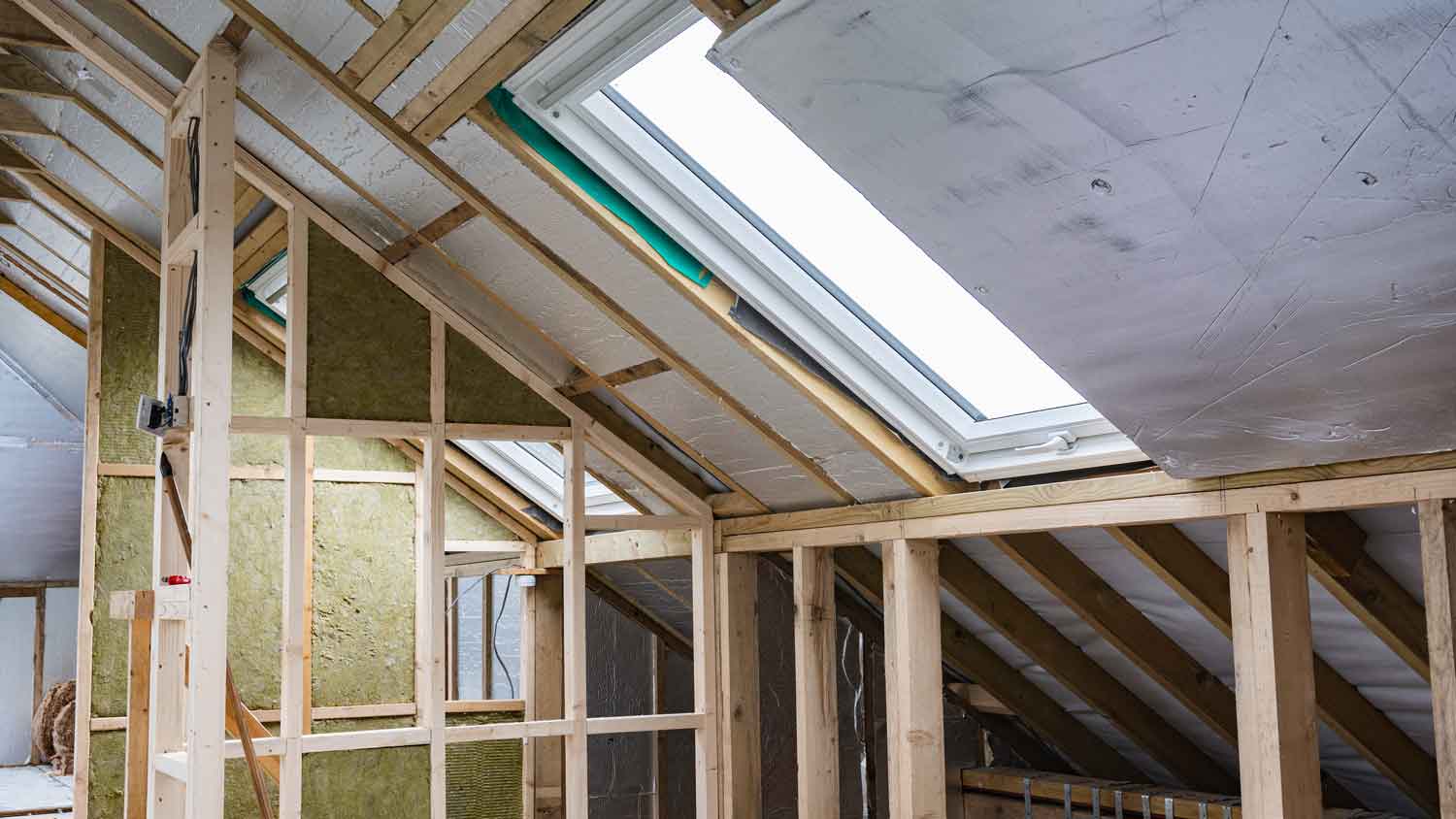
Asbestos removal costs vary based on where it’s located, the size of the job, and if there is any underlying damage. Learn what has the biggest effect on the cost.
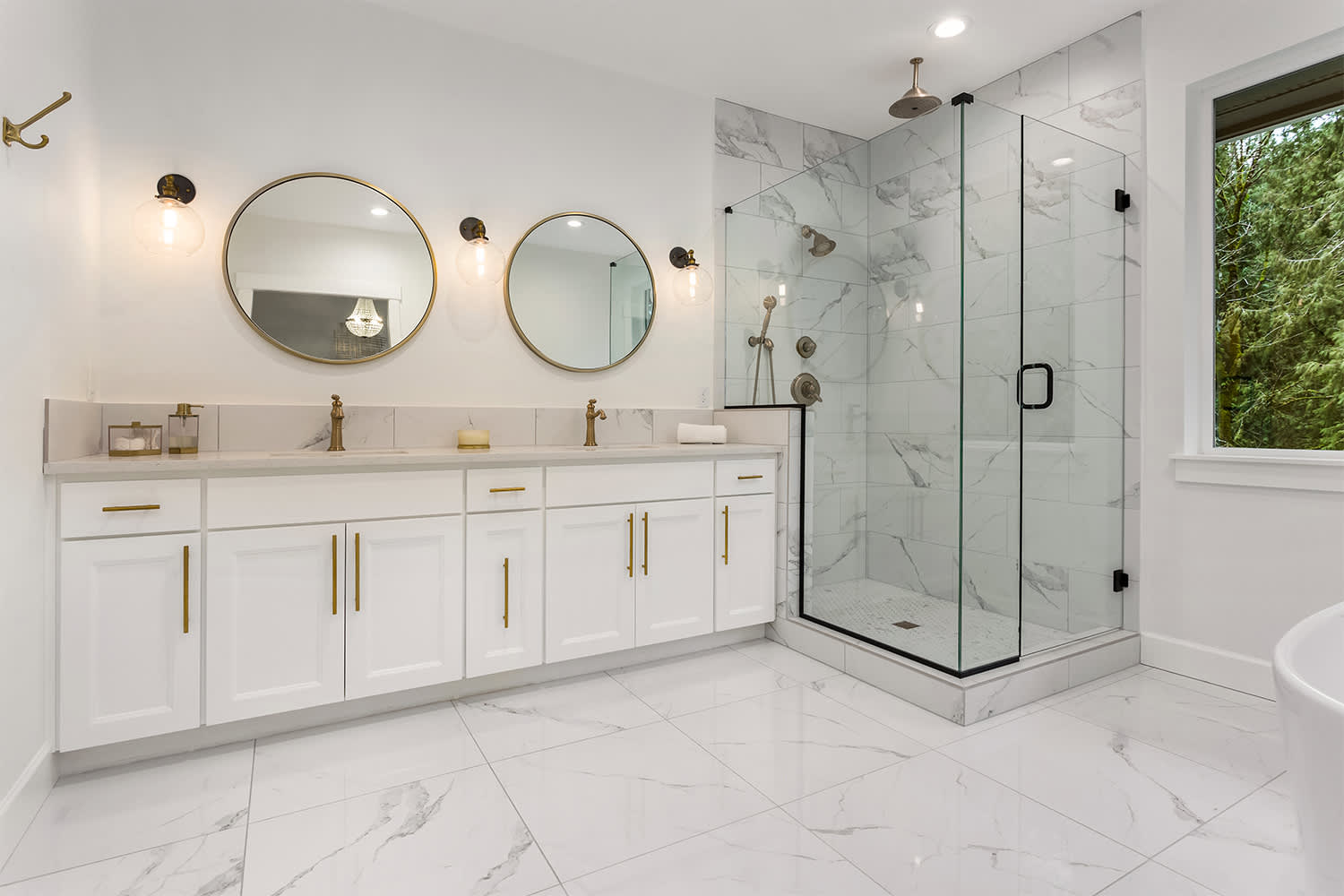
Get clear answers on asbestos tile removal cost, including average prices, cost factors, and tips to save money on safe, professional removal.
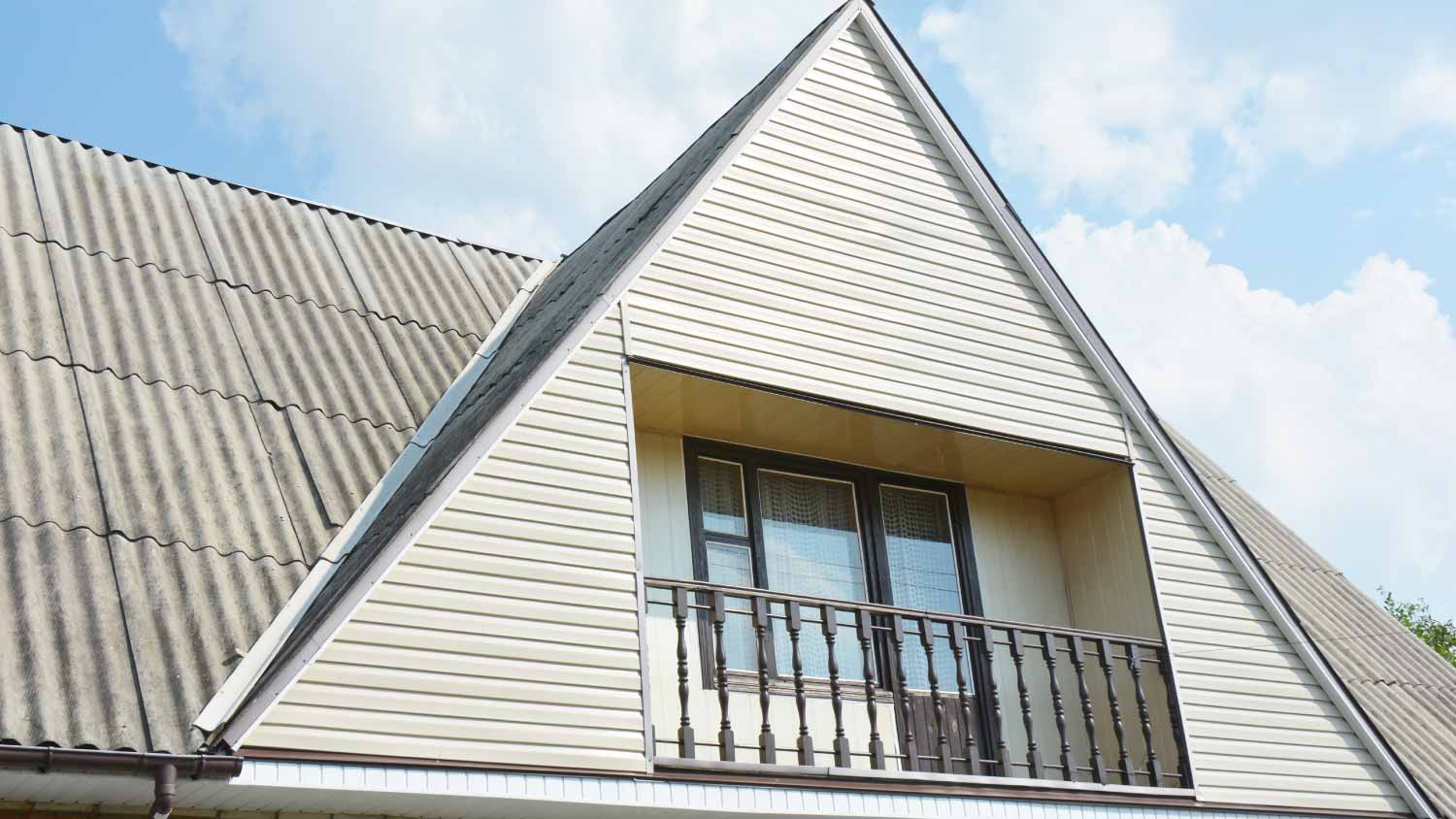
Discover the cost to remove asbestos siding, including average prices, key cost factors, and tips to help homeowners plan a safe and budget-friendly project.
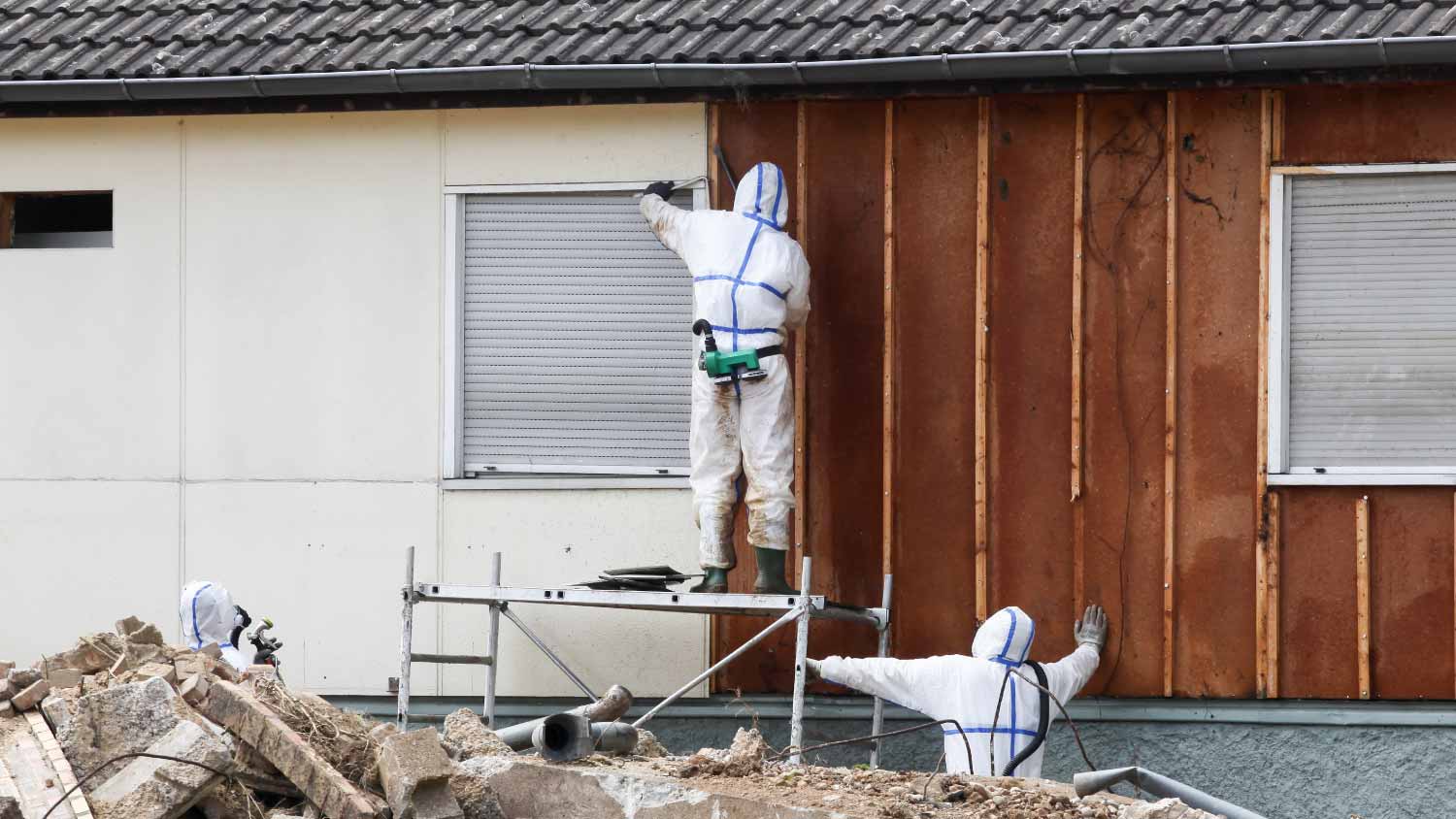
Who do I call to report improper asbestos removal? Keep reading to find out who can help when things go amiss during asbestos removal.
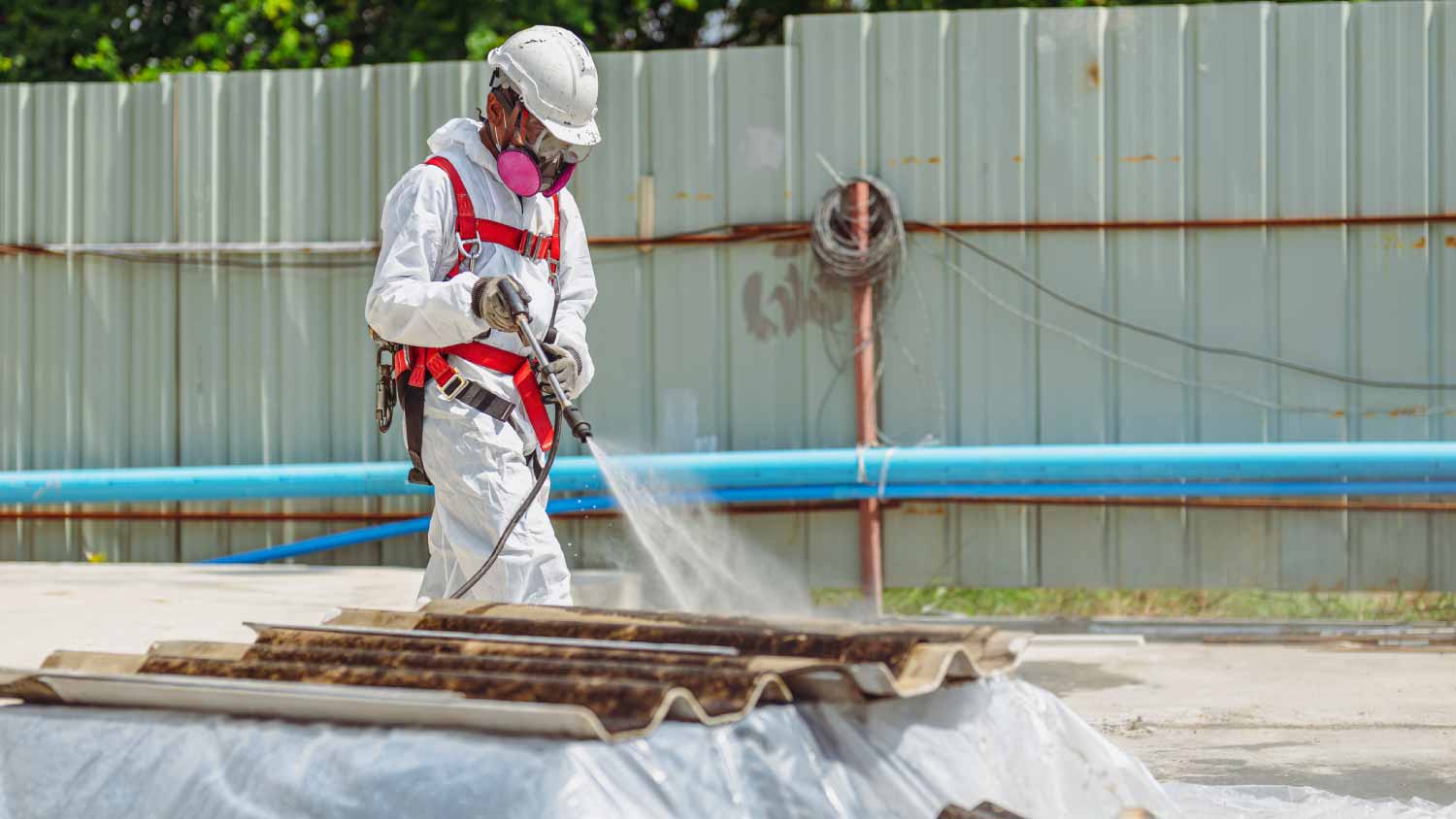
Knowing how to clean asbestos can ensure that you, your family and your neighbors remain safe when working with materials that could contain asbestos.
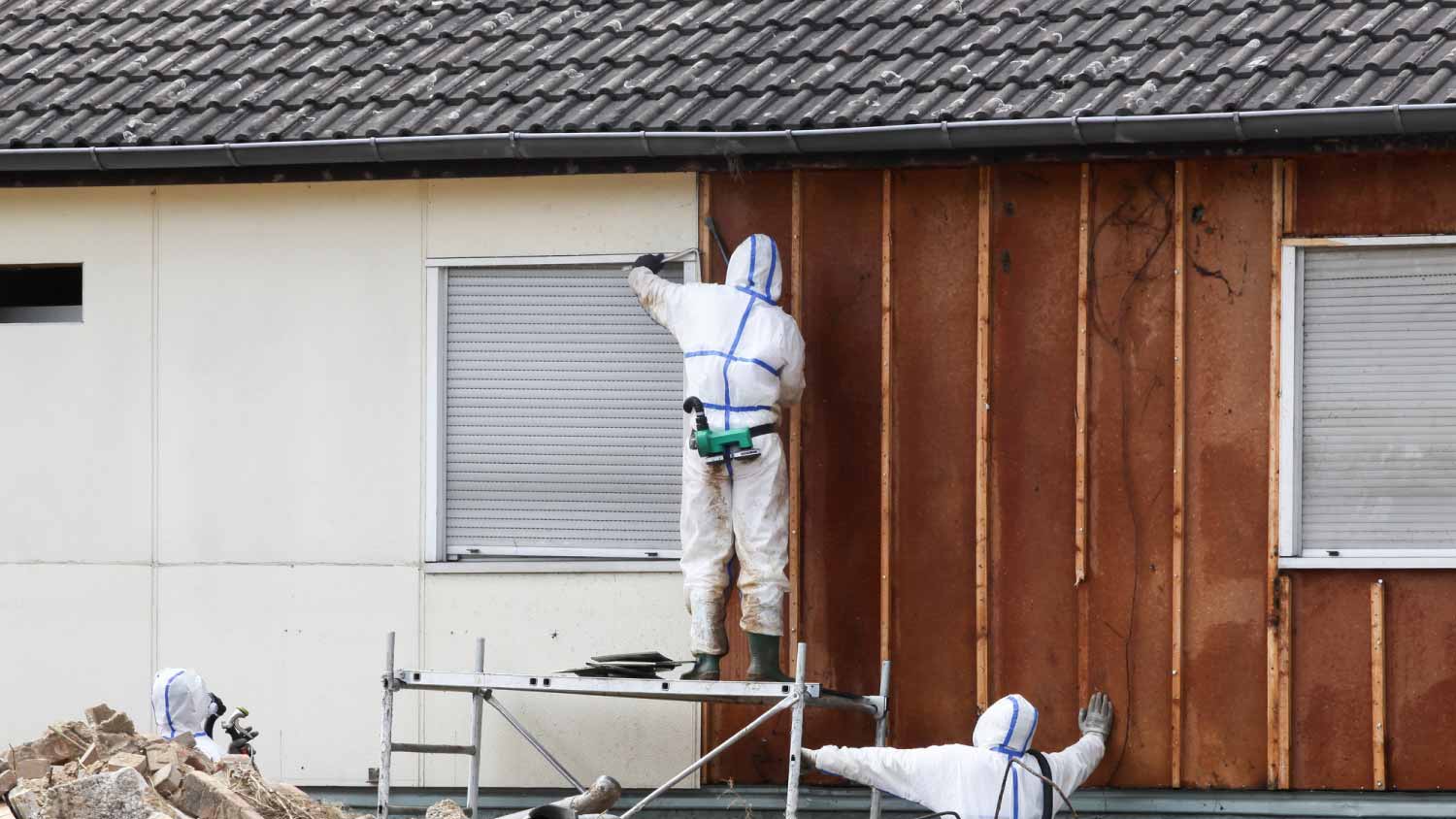
If you know you have asbestos, you need to work to remove it. But how is asbestos removed from homes? Here's what you need to know.