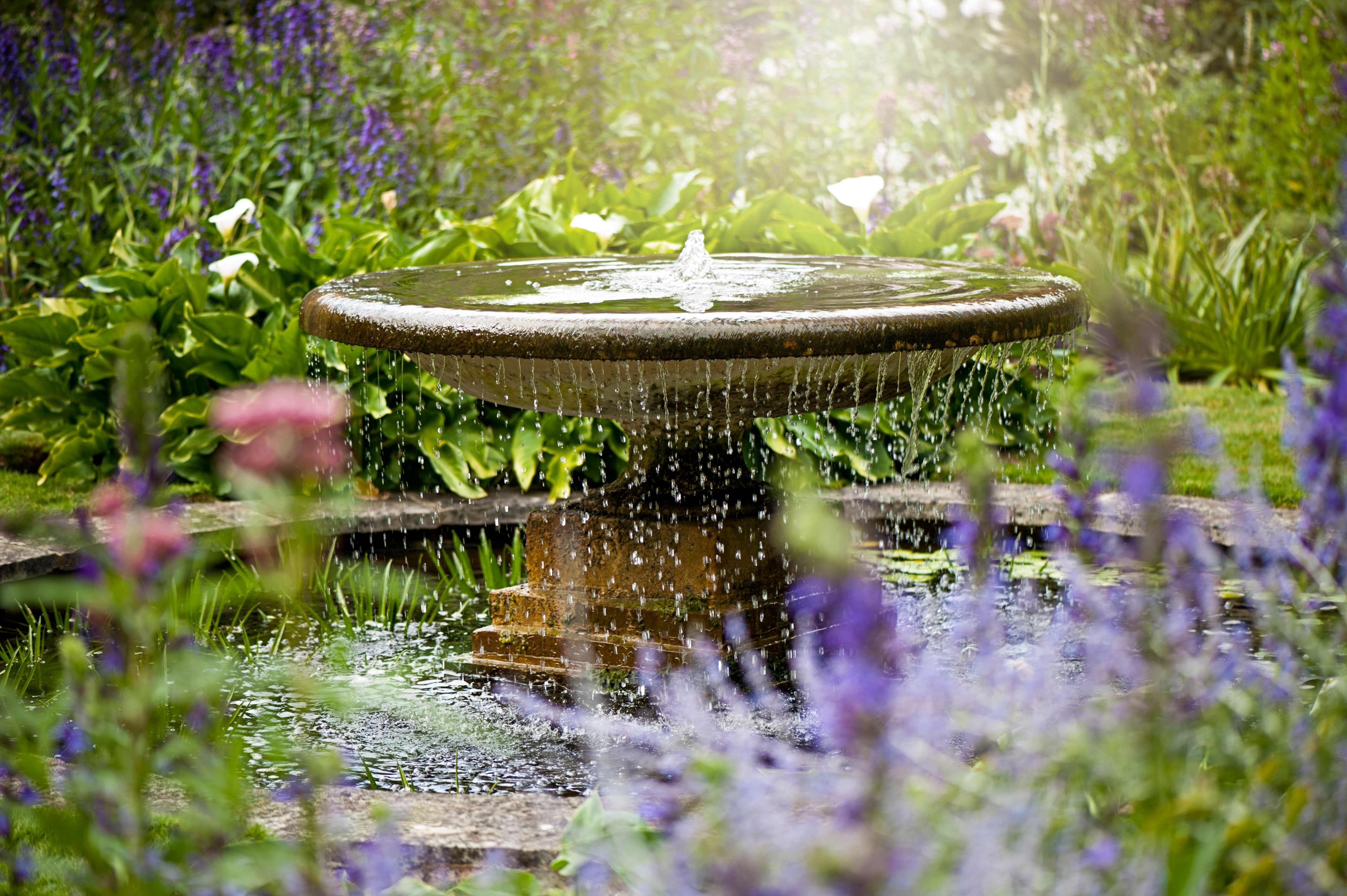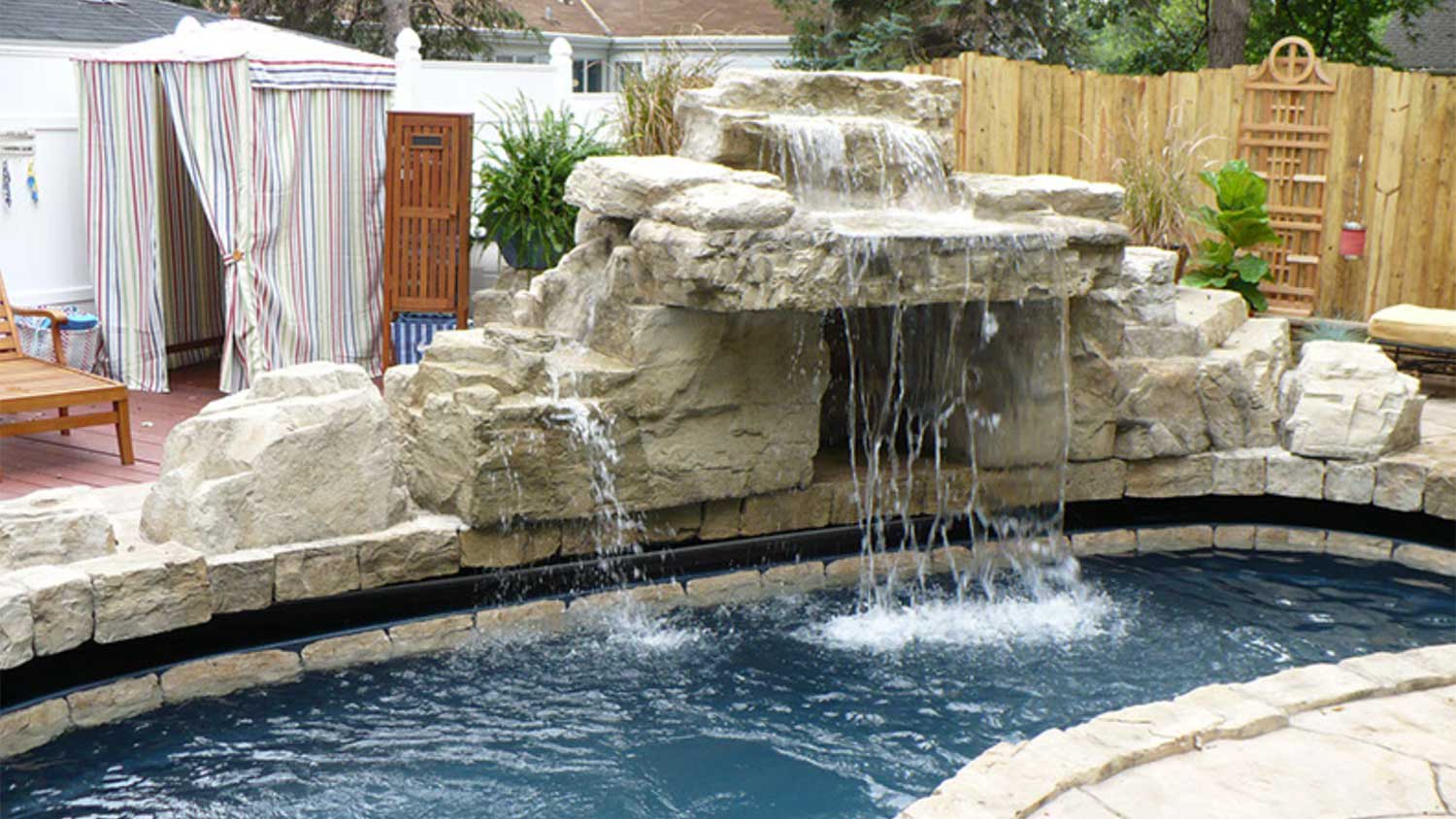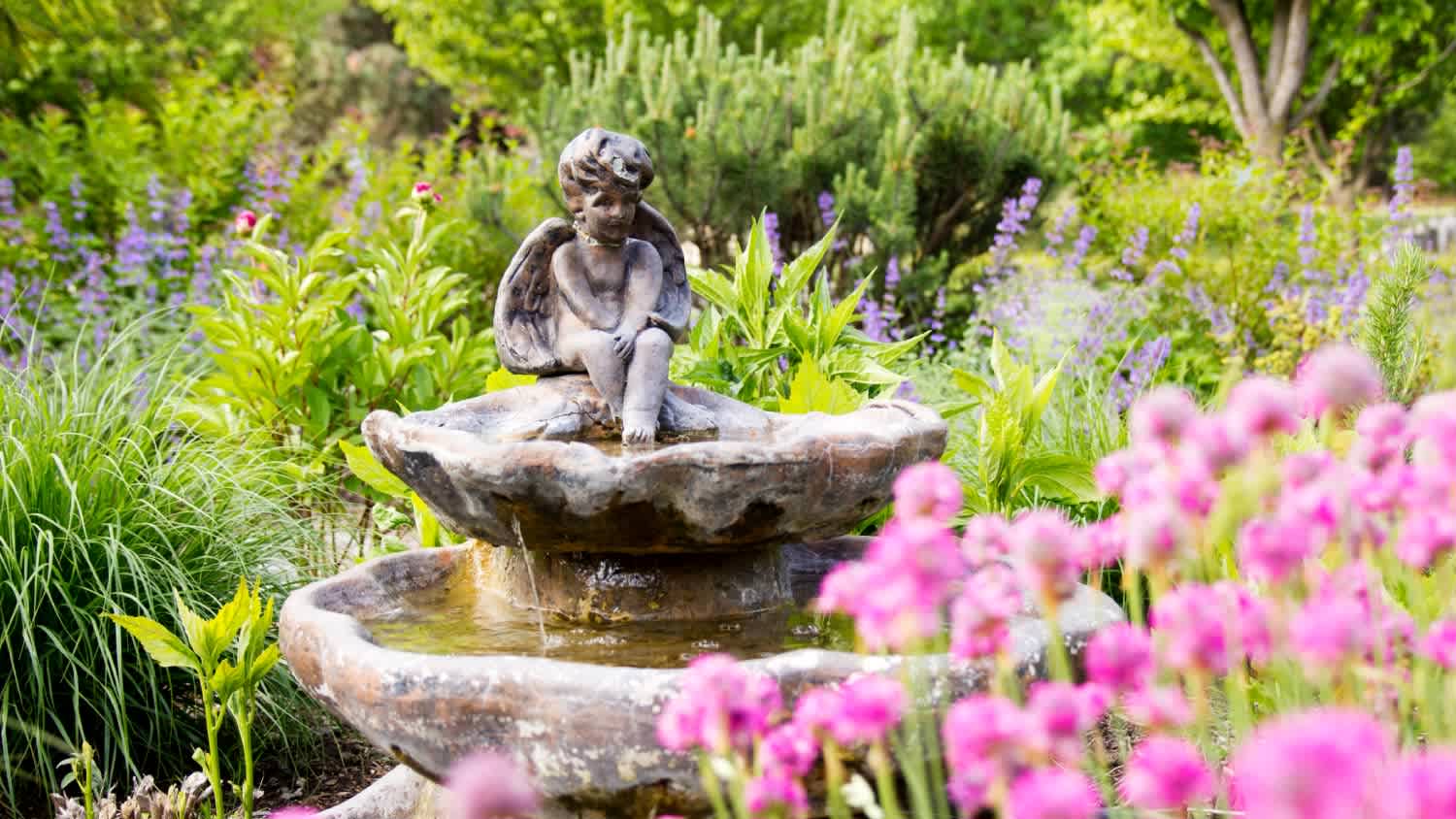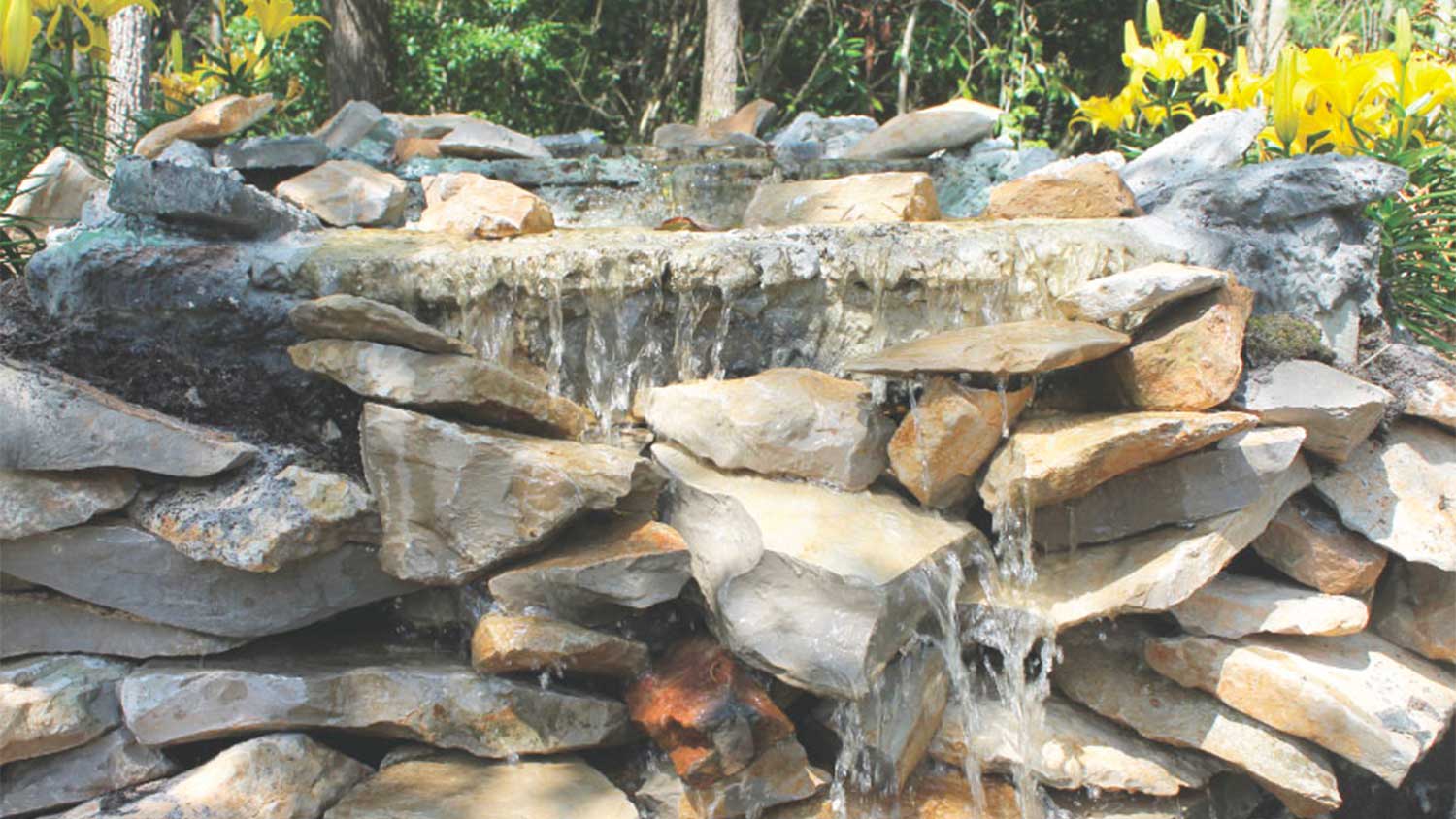

Top-rated fountain pros.

Get matched with top fountain pros in Reno, OH

Enter your zip and get matched with up to 5 pros

Need a pro for your fountain service project in Reno, OH?

Select your specific project to find the pro for you.

Find Fountain pros in Reno

Rock Solid Maintenance Company
0.5(
1
)
Water Feature - Install a Fountain or Waterfall

Serving Reno, OH and surrounding areas

In business since 2008

Free estimates

Credit card accepted

Rock Solid Maintenance Company, in business since 2008 is your locally owned and operated property maintenance company. We specialize in anything from roofing, to all other areas of home projects, including remodeling projects. If you're looking for the right company at the right price, with the highest quality of work, we're exactly who you need! Give us a call today, and we look forward to your future business!\n\n

Fountains questions, answered by experts

In addition to length and width, pond liners also come in various thickness levels. Thickness is measured in mils, a unit of measurement equal to one-thousandth of an inch, with most pond liners ranging from 15 to 60 mils in thickness. The smaller the number, the thinner (and weaker) the liner. To prevent rips and tears, it’s best to choose a pond liner that’s at least 30 mils thick.

Most pond installations take 3-10 days, depending on excavation, liner placement, and filtration setup.

Installing an outdoor water fountain costs $2,700 on average, not including the cost of the unit. Prices range from $150 to $10,650, depending on your location, the type of fountain, size, and accessibility to the site. Self-contained fountains and water features recirculate the water within the unit. Depending on size and features like multi-tiered cascading bowls, they typically cost from $50 to $5,000. More elaborate fountains with waterfalls and ponds can cost from $450 to $10,000 or more.

Seeps and springs form when groundwater reaches the earth’s surface. The main differences between them are the amount of water and the flow rate. Seeps are smaller than springs and consist of water that’s stagnant or flows slowly. Springs contain more water and flow more quickly.

When deciding whether or not to turn off your pump, you should consider your area’s climate and the aquatic life in your pond. If you live in an area with freezing winter temperatures and don’t have any wildlife, keeping your pump on could damage it. If you have aquatic life but live in a colder climate, you might consider keeping your pump running and adding a pond heater.

The Reno, OH homeowners’ guide to fountain services

From average costs to expert advice, get all the answers you need to get your job done.