





Top-rated arborists.

Get matched with top arborists in Maria Stein, OH

Enter your zip and get matched with up to 5 pros

Need a pro for your arboricultural service project in Maria Stein, OH?

Select your specific project to find the pro for you.

Find Arborists in Maria Stein

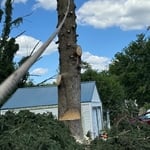
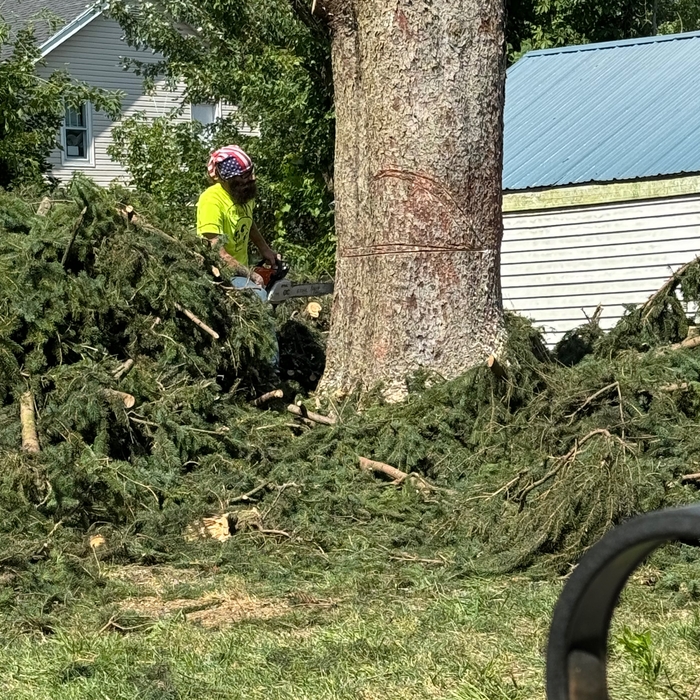
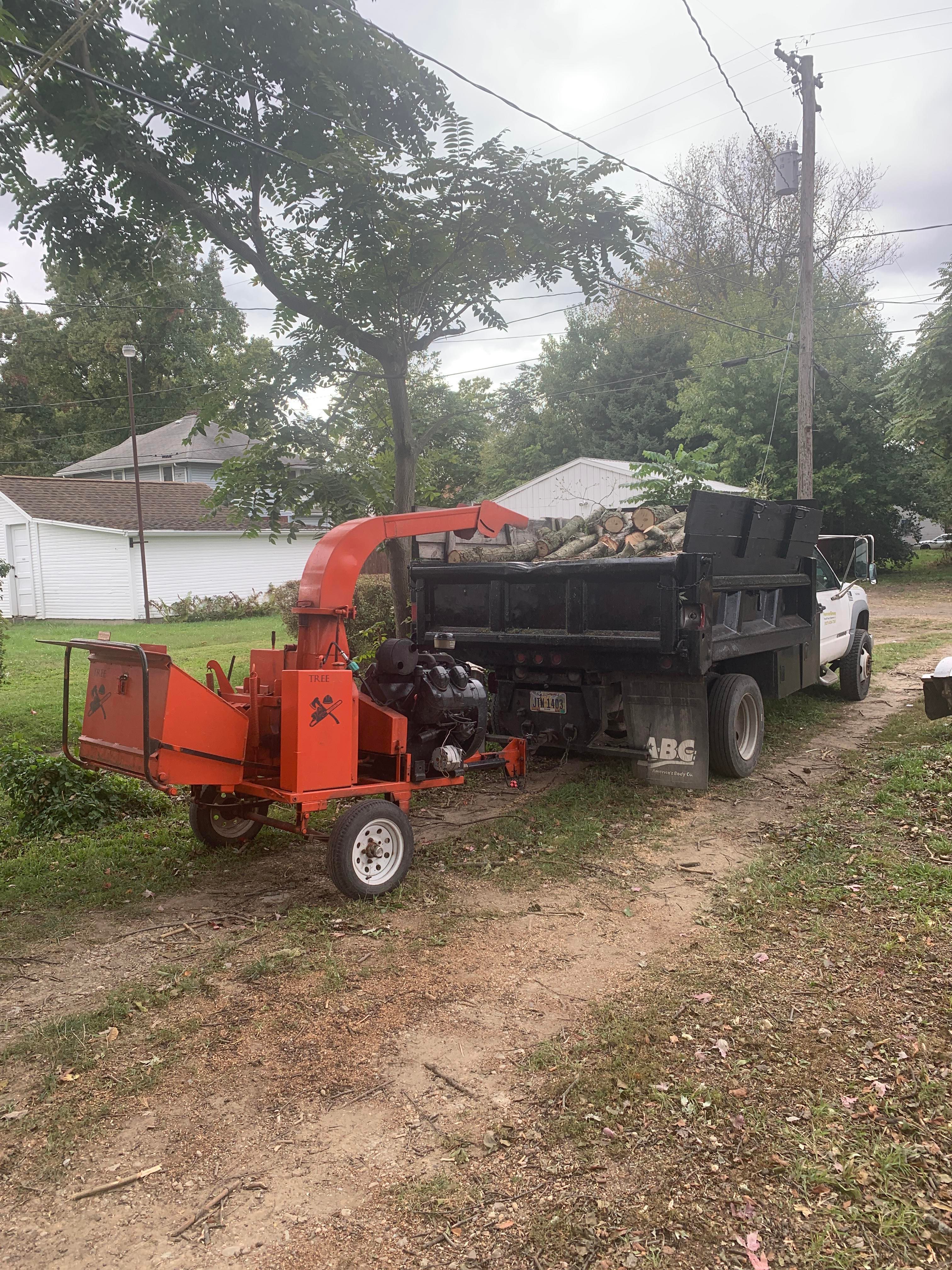
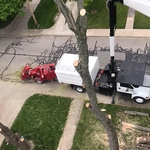
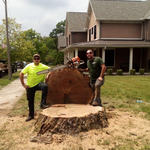
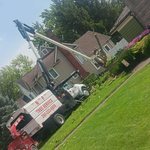
Byrds Tree Care
New to Angi
Tree RemovalTree Removal - For BusinessTree Trimming+1 more

Serving Maria Stein, OH and surrounding areas

Approved

In business since 2020

Free estimates

Offers commercial services

We take great pride in our experience, expertise, quality, and customer service that we provide to meet the consumer's needs. It is our mission to provide excellent workmanship and complete customer satisfaction from start to completion of a project. In order to understand the needs and expectations of our customers, we take great care to work and communicate with every customer in a professional manner. Our reputation is based on service, safety, and quality, regardless of how large or small the job.

...
Showing 1-10 of 62
Arborists questions, answered by experts

Ideally, you should wait to prune until trees have gone dormant in late fall to early winter. The worst times to prune trees are early fall and late summer, as pruning them so close to dormancy makes it difficult for the tree recover before it goes dormant for the season.

Often, it’s the homeowner’s responsibility to handle the aftermath when a neighbor’s tree falls on their property. But if a tree has been obviously dead for a significant period of time and caused damage when it fell, a case can be made that the owner should have removed it, especially if the neighbor wrote you a letter about the tree or asked you to take it down. This can be grounds for a successful lawsuit in claims court and is a good reason to always pay attention to your trees and remove dead trees before they fall.

Not all leaning trees are dangerous, but they can be a hazard as gravity may eventually cause them to fall. A key factor is whether the lean is new or has been present for a long time. Trees that have grown with a lean for years are not typically an immediate danger, but a sudden lean is a cause for concern as it often indicates weakening roots. If a tree is leaning more than 15% from vertical, you should consider having it straightened or transplanted. To be safe, it's always best to hire a professional arborist to inspect any leaning tree to assess the risk and avoid potential accidents.

You should avoid cutting off the top of mature cherry trees. This process is called tree topping, and it’s not recommended for cherry trees—or any trees, for that matter. Tree topping removes between one-third to half of the length of the tree trunk, resulting in structurally unsound, fruitless suckers. The only exception is for saplings. Young pie, sour, and tart cherry trees that are over 30 inches tall in the fall or winter before the tree blooms can benefit from heading cuts.

A dead tree should always be cut down, because it could fall and cause injuries or damage, and it can also attract insects like carpenter ants. A tree that’s diseased beyond repair should also be cut down, but it’s not always easy for a homeowner to tell. Signs of disease include dying branches, a hollow trunk, leaning, and discolored or missing leaves, but your best bet is to hire a local arborist who can evaluate the tree and tell you if it can be saved or should be cut down.

The Maria Stein, OH homeowners’ guide to arboricultural services

From average costs to expert advice, get all the answers you need to get your job done.